
Arcane features many elements commonly associated with steampunk, including Victorian-inspired architecture, mechanical inventions, and industrial settings. However, it also incorporates advanced magical technology known as Hextech, making it more than a traditional steampunk story. Many fans describe the series as a blend of steampunk, fantasy, and science fiction. Rather than fitting neatly into one genre, Arcane draws inspiration from several retro-futuristic styles to create its own distinctive world.
Since its release, Arcane has been praised not only for its storytelling and animation but also for its remarkable visual design. The contrast between the prosperous city of Piltover and the industrial undercity of Zaun immediately evokes comparisons with steampunk aesthetics. Brass machinery, elaborate inventions, Victorian-inspired fashion, and scientific innovation all seem to point toward the genre. Yet Arcane also introduces magical technology and futuristic concepts that blur the lines between steampunk, fantasy, and science fiction. So, is Arcane truly steampunk, or does it belong to another genre entirely? Let's take a closer look.
Why Arcane Feels Like Steampunk
At first glance, Arcane appears to check many of the boxes associated with steampunk. Its architecture, fashion, and technology borrow heavily from the aesthetics that define the genre.
Victorian-Inspired Design and Industrial Cities

Piltover reflects many characteristics of a late 19th-century metropolis. Elegant buildings, ornate bridges, laboratories, and grand academies create an atmosphere reminiscent of Victorian Europe during the Industrial Revolution.
Meanwhile, Zaun presents the darker side of industrialization. Smoke-filled streets, sprawling factories, exposed machinery, and crowded neighborhoods echo the themes often explored in classic steampunk fiction.
This contrast between wealth and poverty is another hallmark of the genre. Many steampunk stories examine the social consequences of technological progress, making the divide between Piltover and Zaun feel immediately familiar to fans.
The overall visual identity strongly aligns with steampunk, even before the story introduces its more fantastical elements.
Inventors, Engineers, and Mechanical Innovation
Steampunk has always celebrated inventors and scientific curiosity, and Arcane places both at the center of its narrative. Characters such as Jayce and Viktor devote themselves to pushing the boundaries of technology in pursuit of a better future.
Workshops filled with gears, mechanical tools, experimental devices, and intricate machinery reinforce the aesthetic associated with steampunk inventors. Innovation is portrayed as both exciting and dangerous, a recurring theme throughout the genre.
Rather than relying solely on brute force, many of the series' conflicts revolve around engineering, experimentation, and technological breakthroughs. This focus feels entirely at home within steampunk storytelling.
For viewers familiar with the genre, these visual and narrative elements make it easy to understand why Arcane is frequently described as steampunk.
Why Arcane Isn't Pure Steampunk
Despite its strong steampunk influences, Arcane also introduces elements that set it apart from traditional steampunk fiction. The biggest difference lies in the role of magic.
Hextech Changes Everything

The defining technology in Arcane is Hextech, which combines engineering with magical crystals capable of producing extraordinary effects. Unlike traditional steampunk inventions, Hextech is not powered by steam engines or mechanical systems alone.
Magic becomes a scientific resource that can be studied, refined, and integrated into everyday technology. This fusion of science and fantasy creates a world that feels more advanced than classic Victorian-inspired settings.
Because of Hextech, many inventions in Arcane operate far beyond what would normally be expected in steampunk fiction. Teleportation, magical weapons, and energy manipulation introduce concepts more commonly associated with fantasy or science fiction.
This magical foundation is one of the main reasons many critics hesitate to classify Arcane as purely steampunk.
A Blend of Multiple Genres
Rather than following the conventions of a single genre, Arcane borrows from several different traditions. Alongside steampunk influences, the series incorporates fantasy, dieselpunk-inspired industrial environments, and advanced science fiction concepts.
Its world is not an alternate version of Victorian Earth but a completely fictional universe with its own history, cultures, and technologies. This gives the creators greater freedom than classic steampunk settings usually allow.
The result is a hybrid aesthetic that feels familiar while remaining original. Fans often use terms like "science fantasy" or simply describe the series as having strong steampunk influences rather than calling it steampunk outright.
This flexibility is one of the reasons Arcane has such broad appeal beyond traditional steampunk audiences.
How Arcane Compares to Traditional Steampunk
Comparing Arcane to classic steampunk helps clarify where the similarities and differences lie. While the visual language is familiar, the underlying technology often follows different rules.
Shared Characteristics

Both Arcane and traditional steampunk celebrate invention, exploration, and scientific ambition. Inventors occupy central roles, while mechanical devices and elaborate laboratories are common visual motifs.
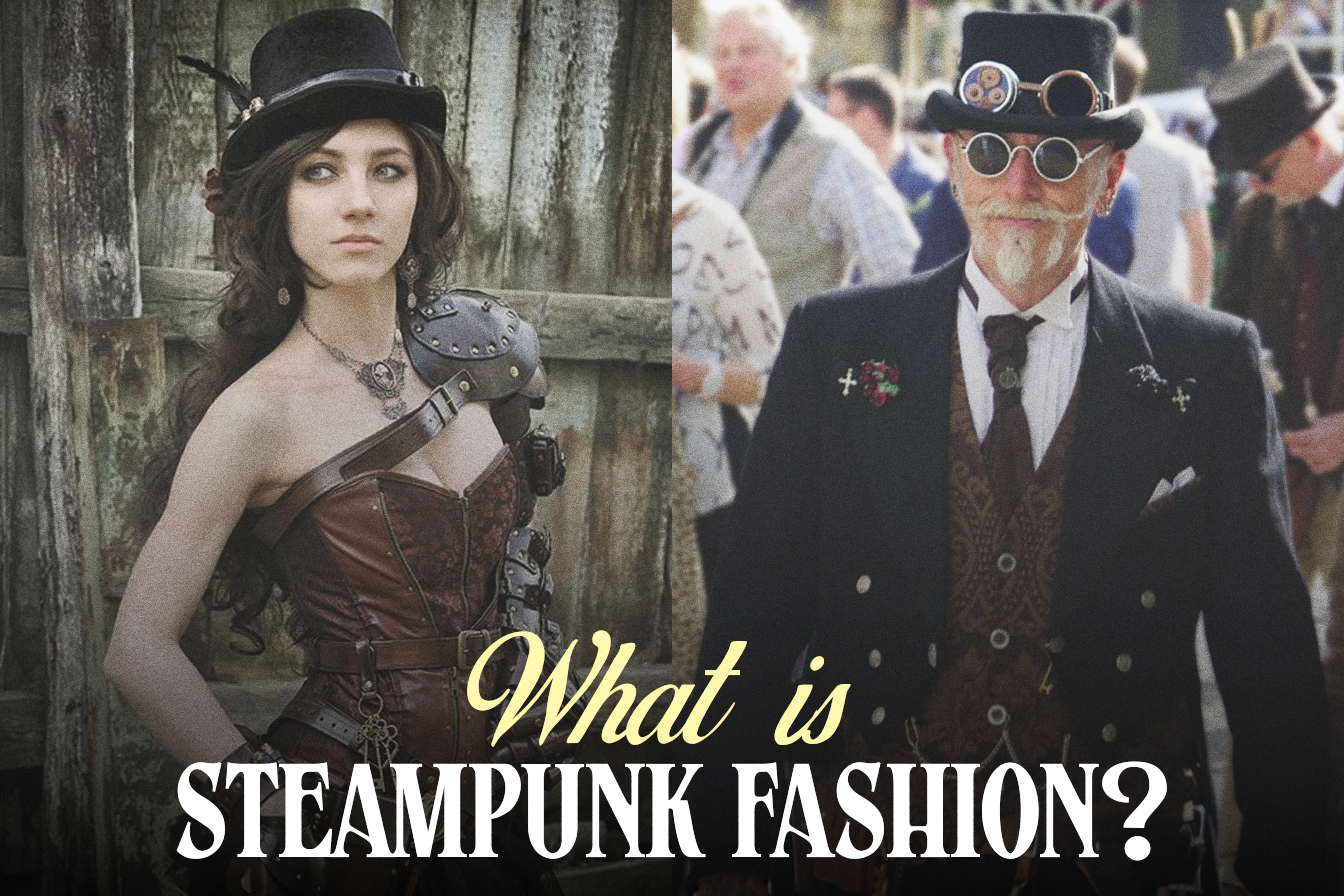
Victorian-inspired fashion also appears throughout the series. Tailored jackets, waistcoats, elegant dresses, gloves, and refined architecture all reinforce the historical influence.
Industrial landscapes, visible machinery, brass detailing, and handcrafted engineering further strengthen the connection to steampunk aesthetics.
These similarities explain why many viewers immediately associate the series with the genre.
Key Differences
Traditional steampunk generally imagines an alternate history where steam technology continued to evolve instead of being replaced by electricity and modern electronics. Mechanical engineering remains the driving force behind technological progress.
In Arcane, however, magical energy becomes the foundation for many of the world's greatest inventions. Technology evolves through Hextech rather than steam-powered innovation.
Additionally, the setting is entirely fictional rather than loosely based on Victorian Britain or Europe. This allows the series to move beyond many of the historical conventions typically associated with steampunk.
As a result, Arcane shares the aesthetic of steampunk while expanding into a broader fantasy universe.
So, Is Arcane Steampunk?
The answer depends largely on how strictly you define the genre. While Arcane clearly embraces many of steampunk's visual and thematic conventions, it also departs from them in significant ways.
A Strong Steampunk Influence

If your definition of steampunk focuses primarily on aesthetics, industrial design, Victorian-inspired fashion, and inventive technology, then Arcane certainly qualifies as steampunk-inspired.
Its world captures much of what attracts people to the genre: intricate machinery, ambitious inventors, elegant architecture, and the excitement of technological discovery.
Many steampunk fans appreciate the series precisely because it evokes these familiar elements while presenting them through modern animation.
In that sense, calling Arcane "steampunk-inspired" is both accurate and widely accepted.
A Genre of Its Own
At the same time, Arcane cannot be reduced to a single label. The combination of fantasy, magical technology, political drama, and science fiction makes it far more complex than traditional steampunk.
Rather than imitating classic works of the genre, the series builds upon them to create something original. It respects the visual traditions of steampunk while introducing entirely new ideas.
This genre-blending approach is part of what makes Arcane so compelling. It appeals to fans of fantasy, science fiction, and steampunk alike.
Ultimately, the series demonstrates how flexible and influential steampunk aesthetics have become in modern storytelling.
Conclusion
Arcane is not a traditional steampunk series, but it is undeniably shaped by steampunk influences. Its Victorian-inspired architecture, industrial cities, inventive characters, and mechanical design reflect many of the genre's defining characteristics. However, the introduction of Hextech and its deep integration of fantasy place it beyond the boundaries of classic steampunk. Rather than fitting neatly into a single category, Arcane successfully blends steampunk, science fantasy, and original world-building into a unique visual and narrative experience. For many viewers, that's precisely what makes it one of the most fascinating fantasy worlds of recent years.