
Steampunk Dress
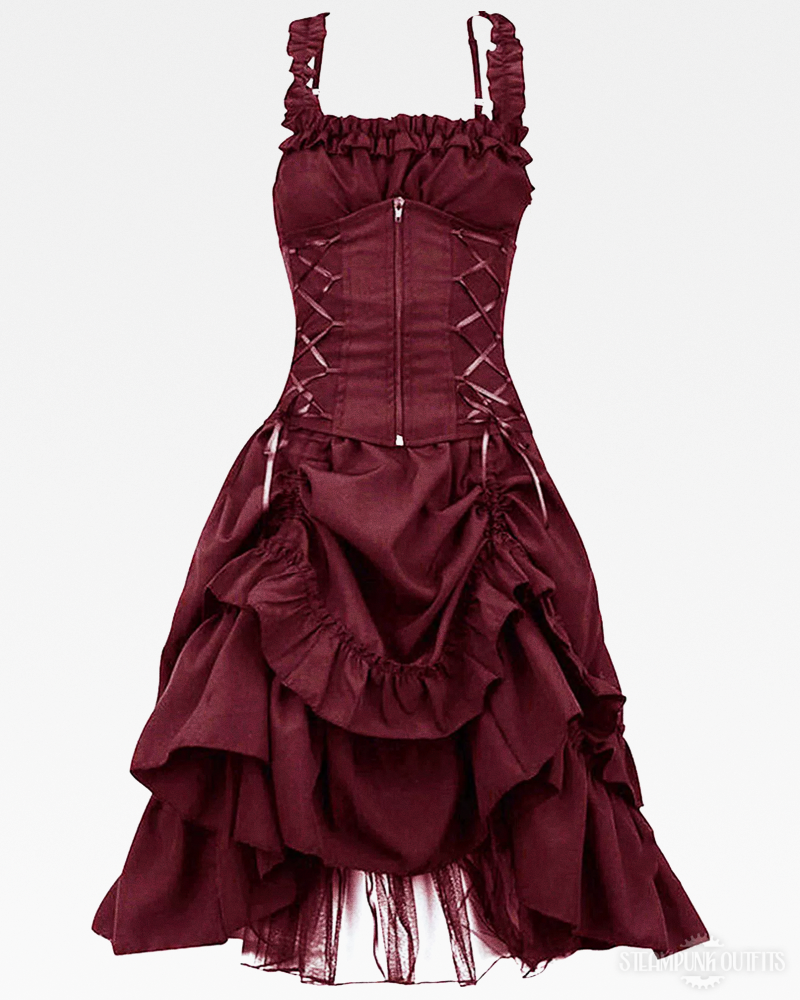
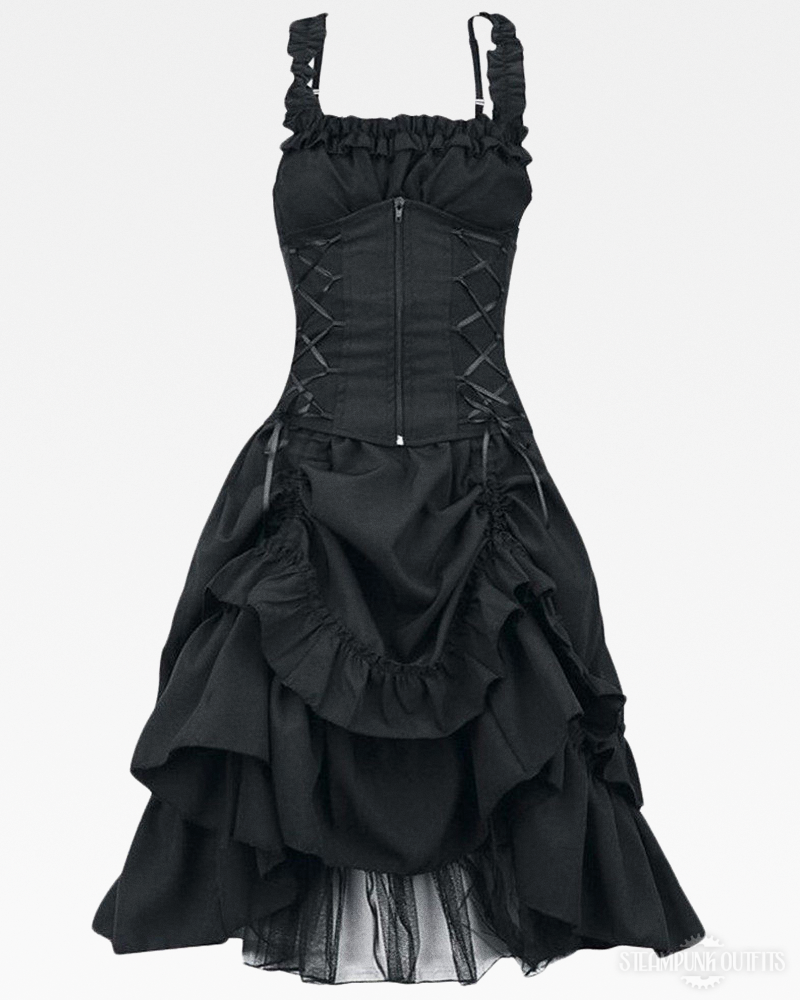


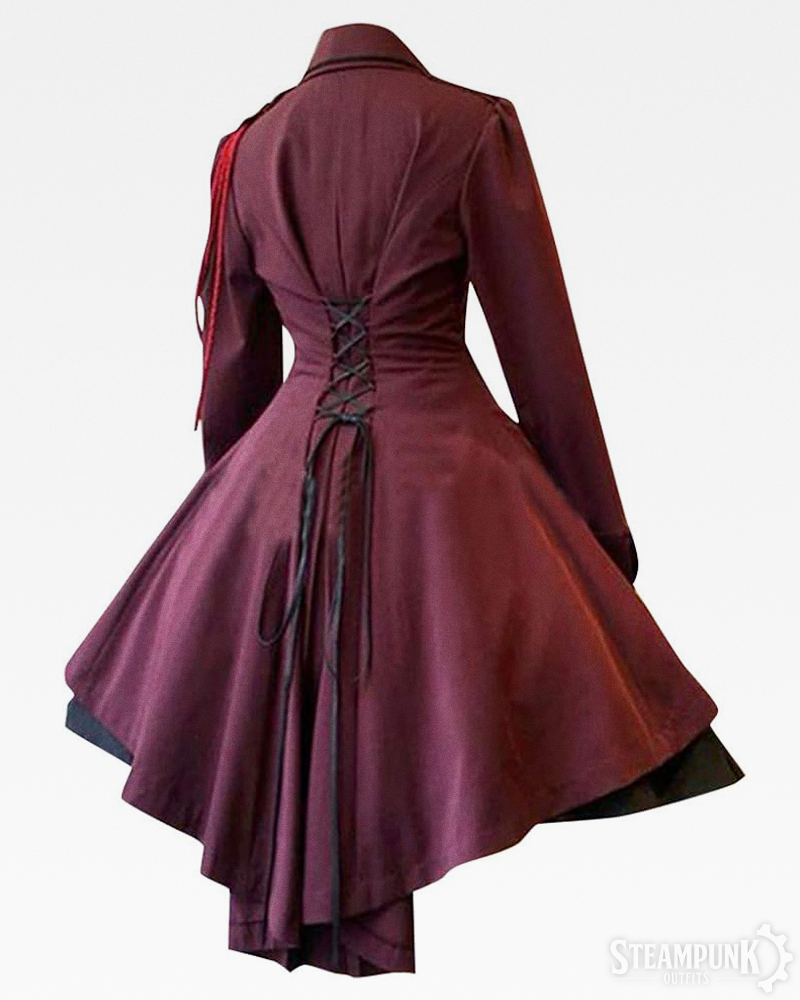
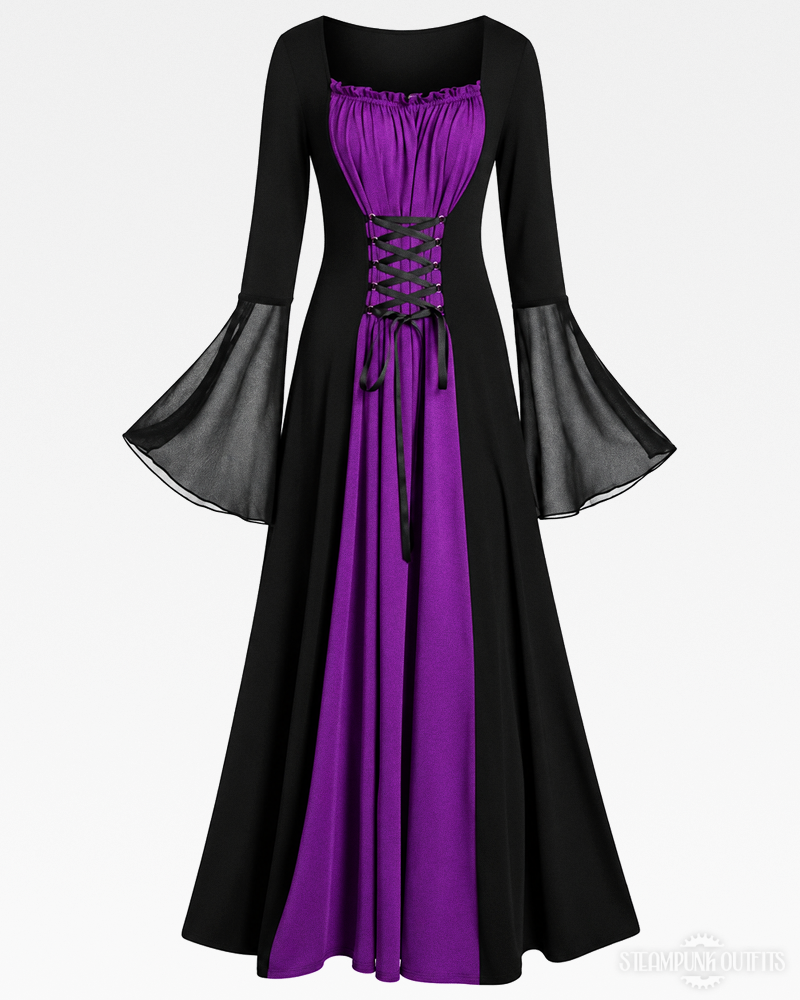
Steampunk High Low Corset Dress
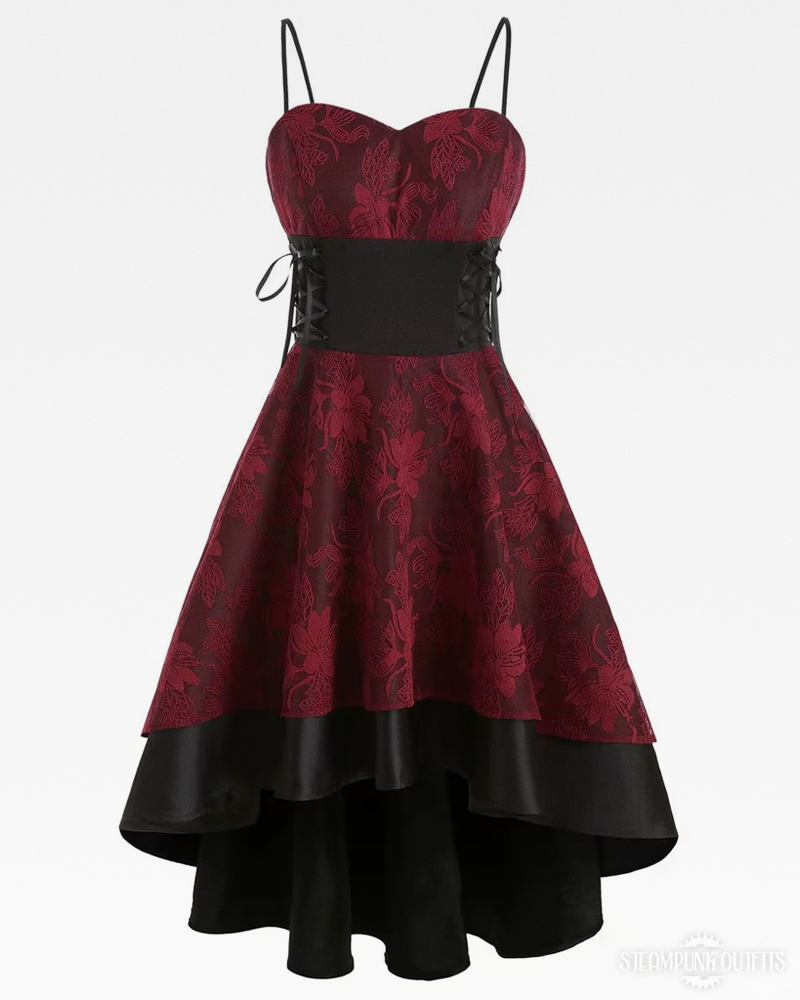
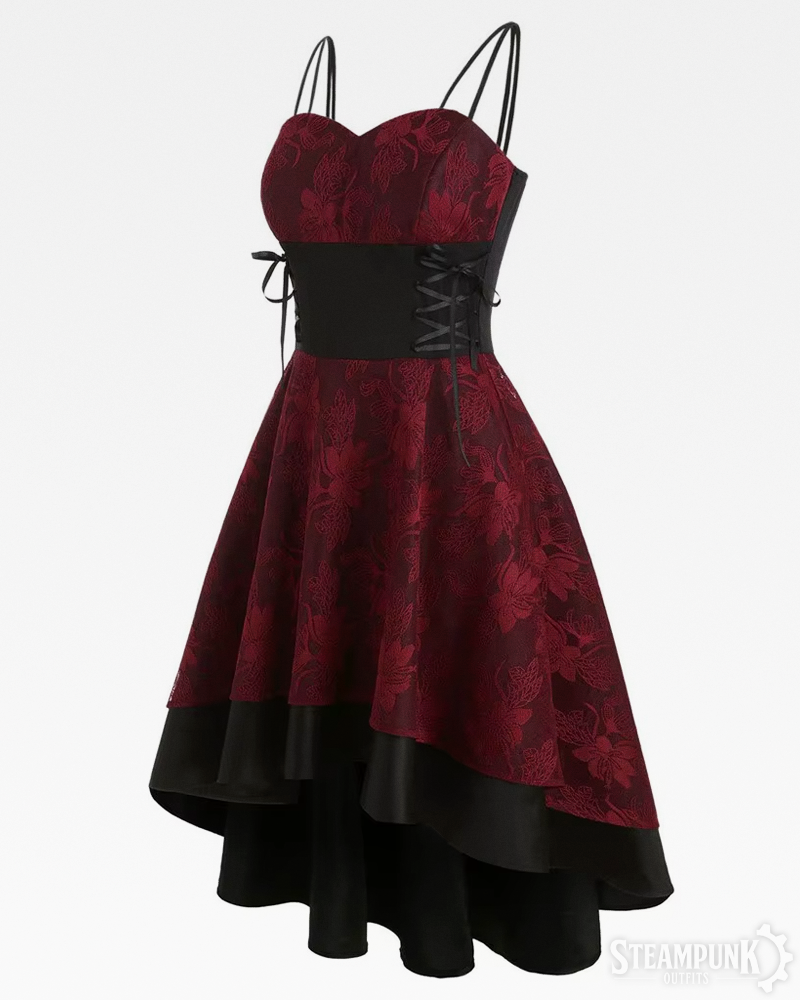
Black And Red Steampunk Dress
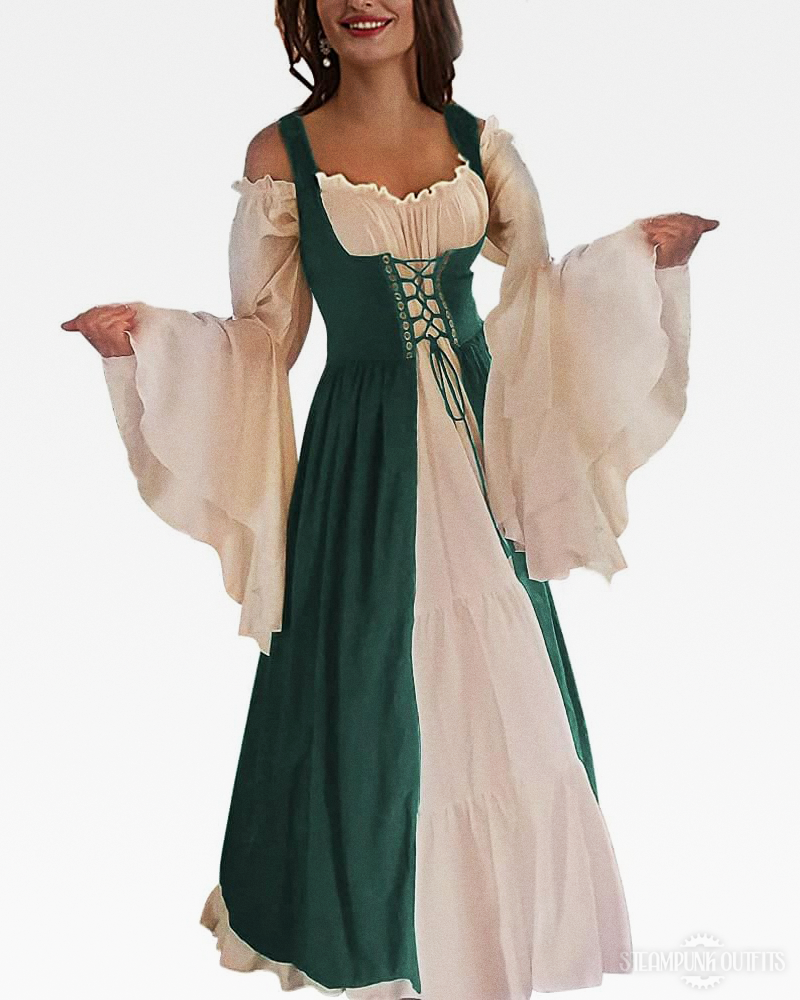

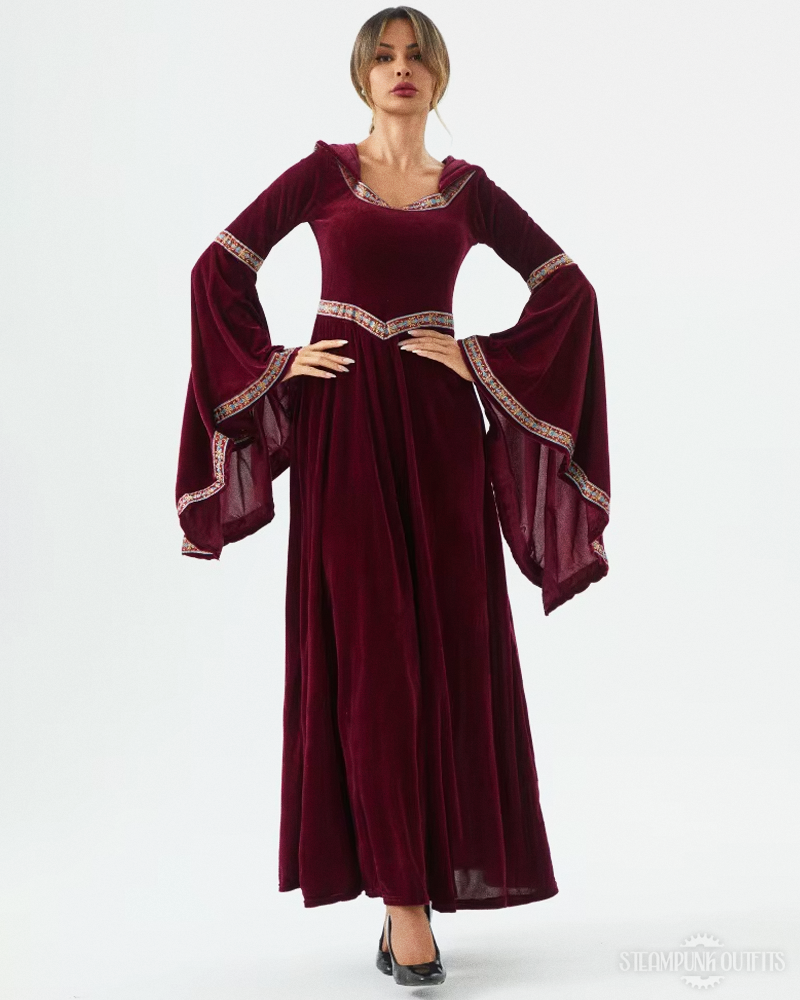
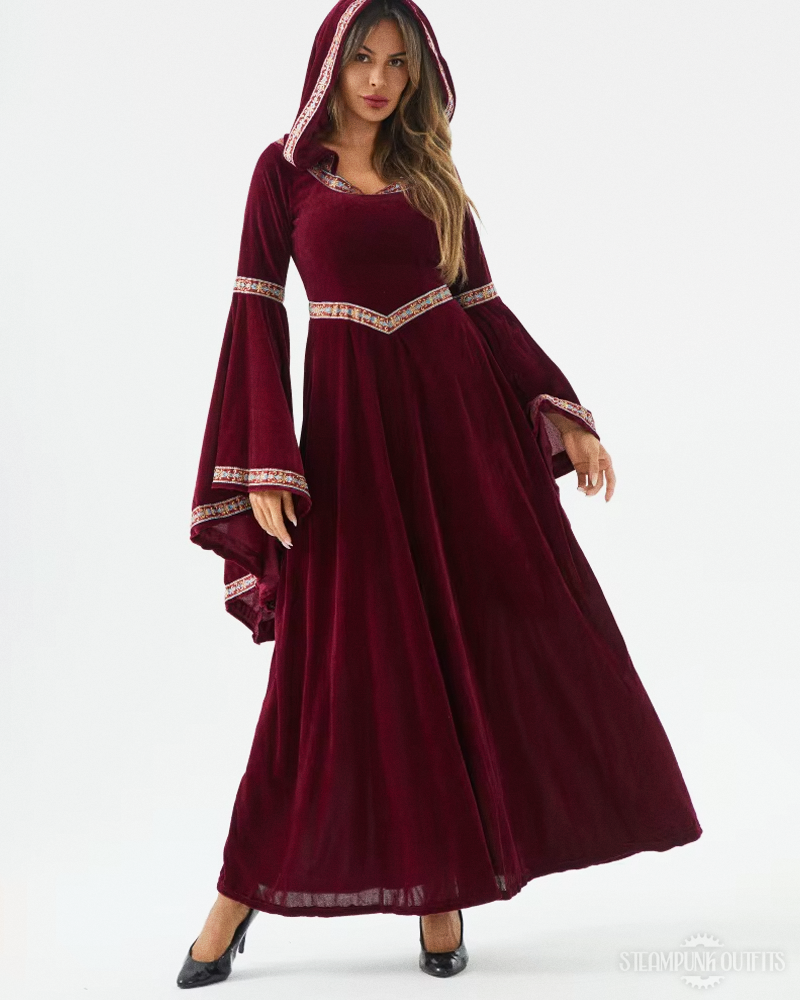
Medieval Velvet Dress
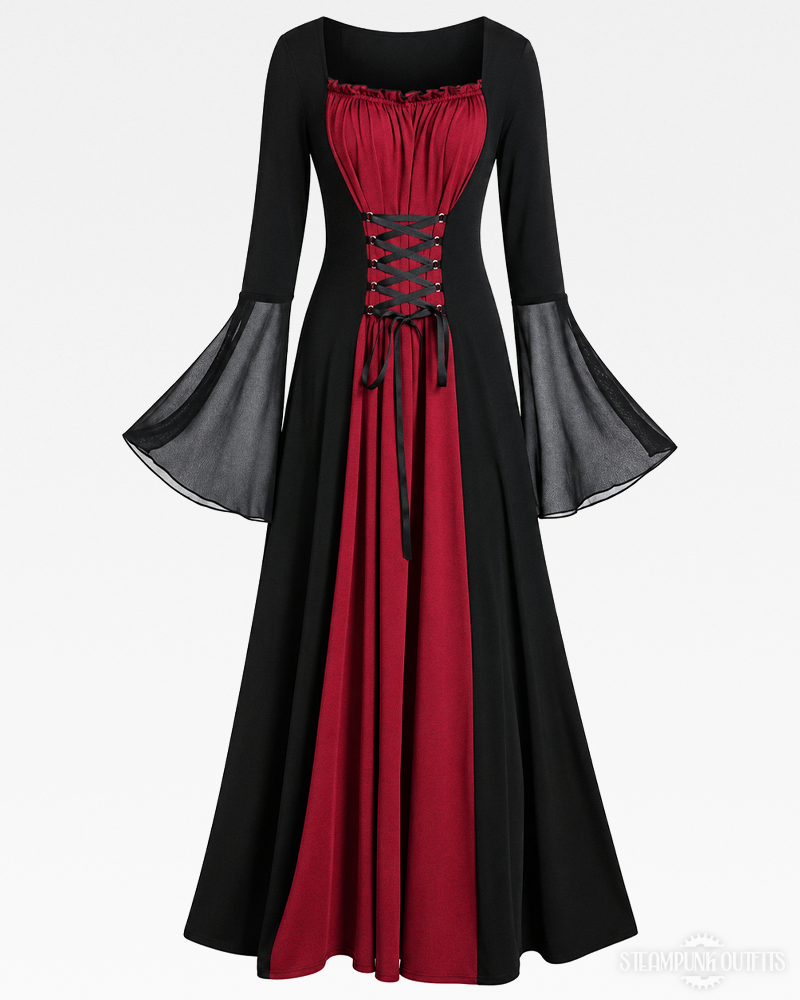
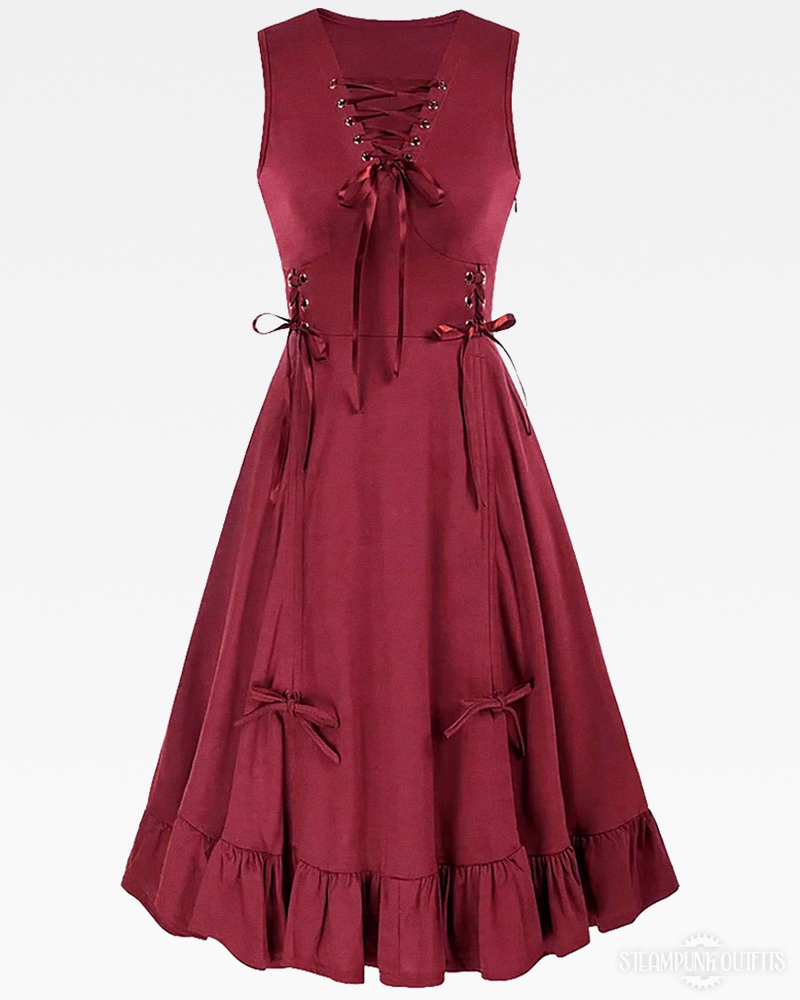
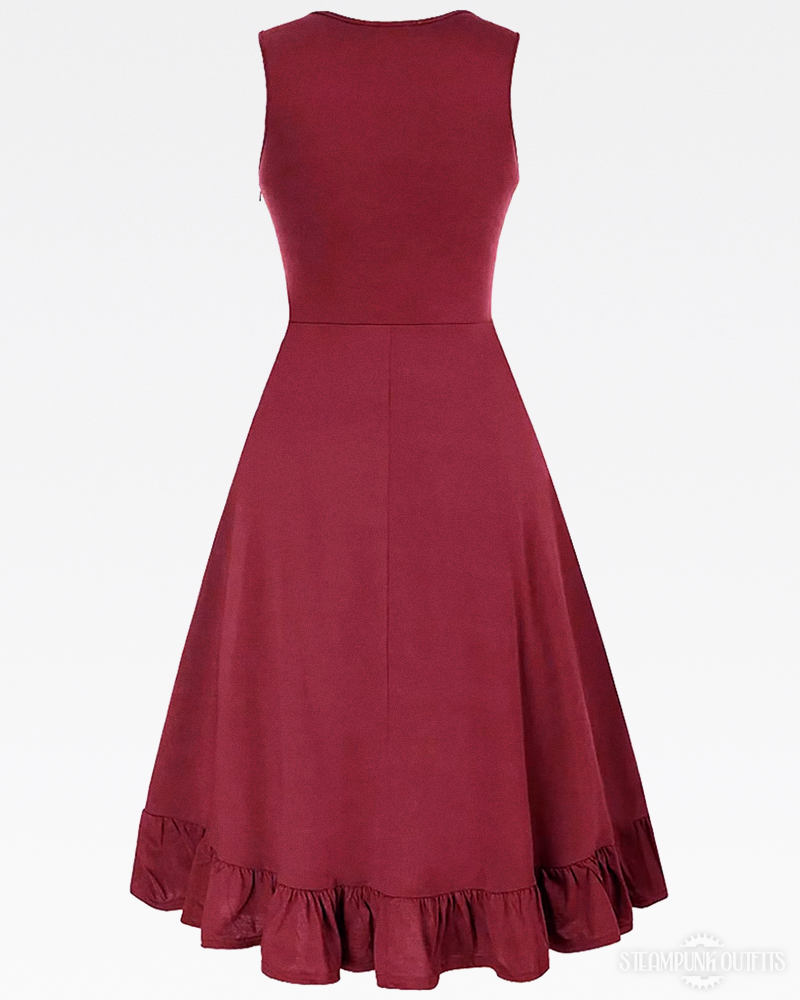
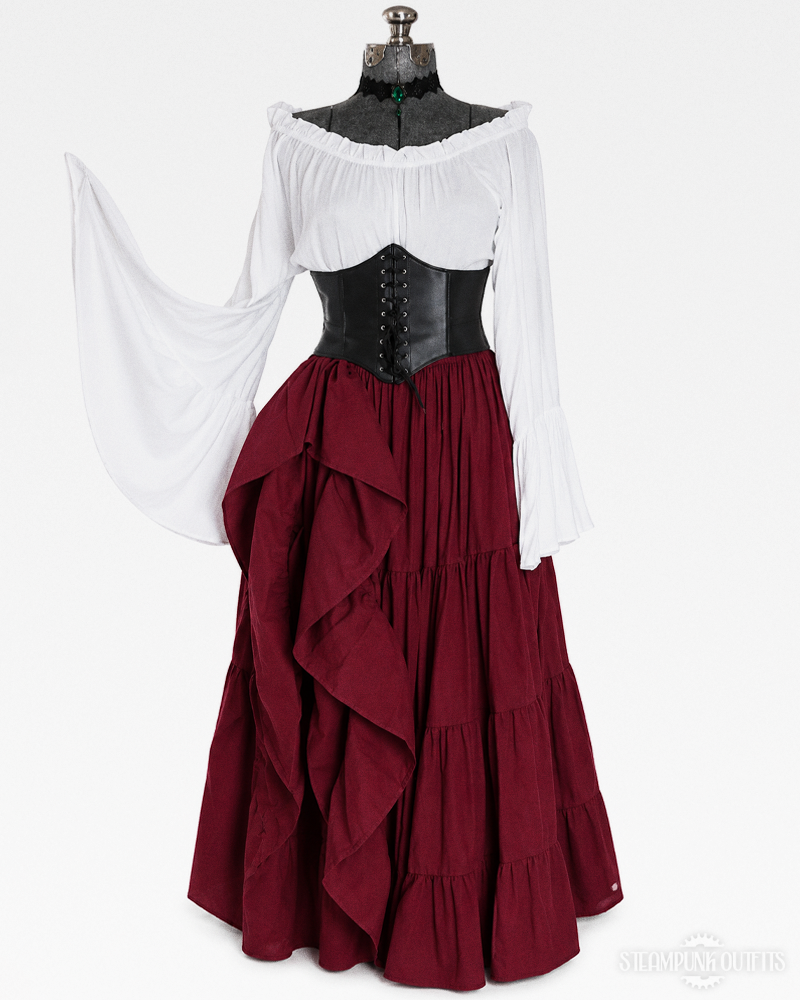
Red Steampunk Dress
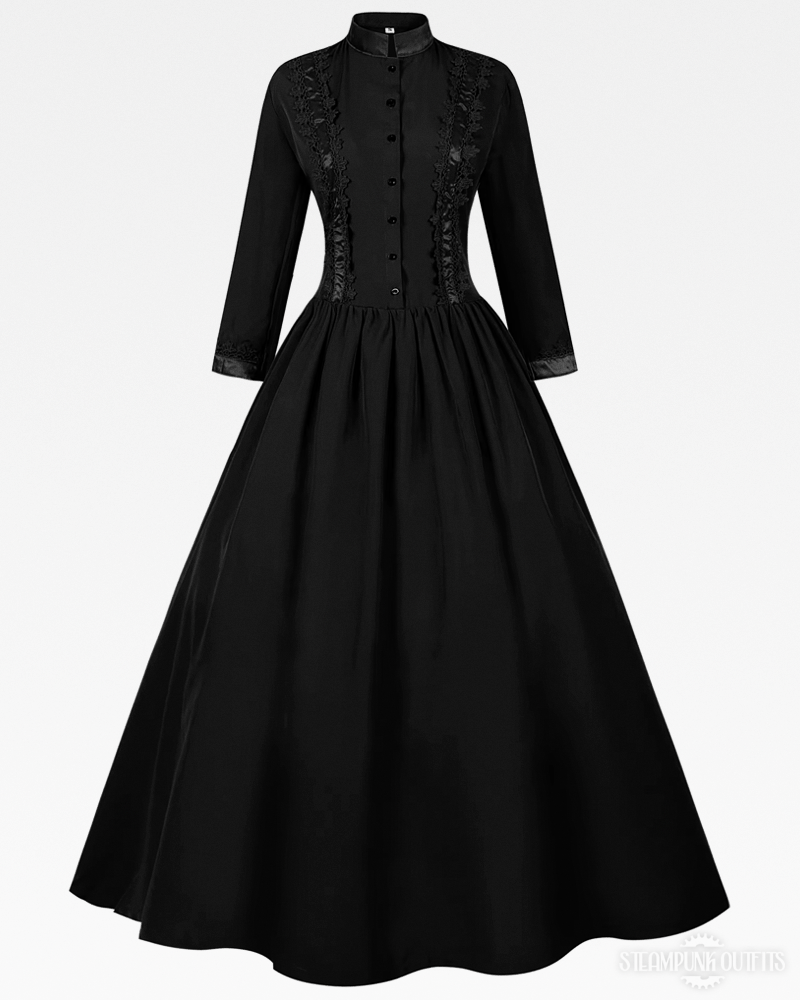
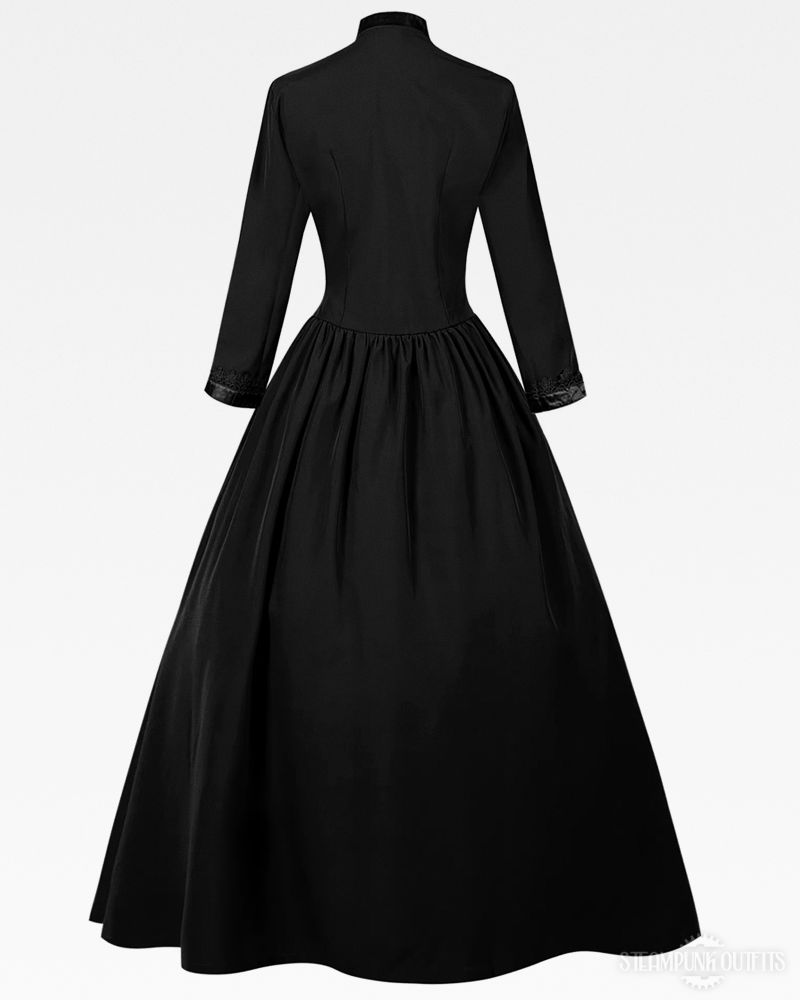
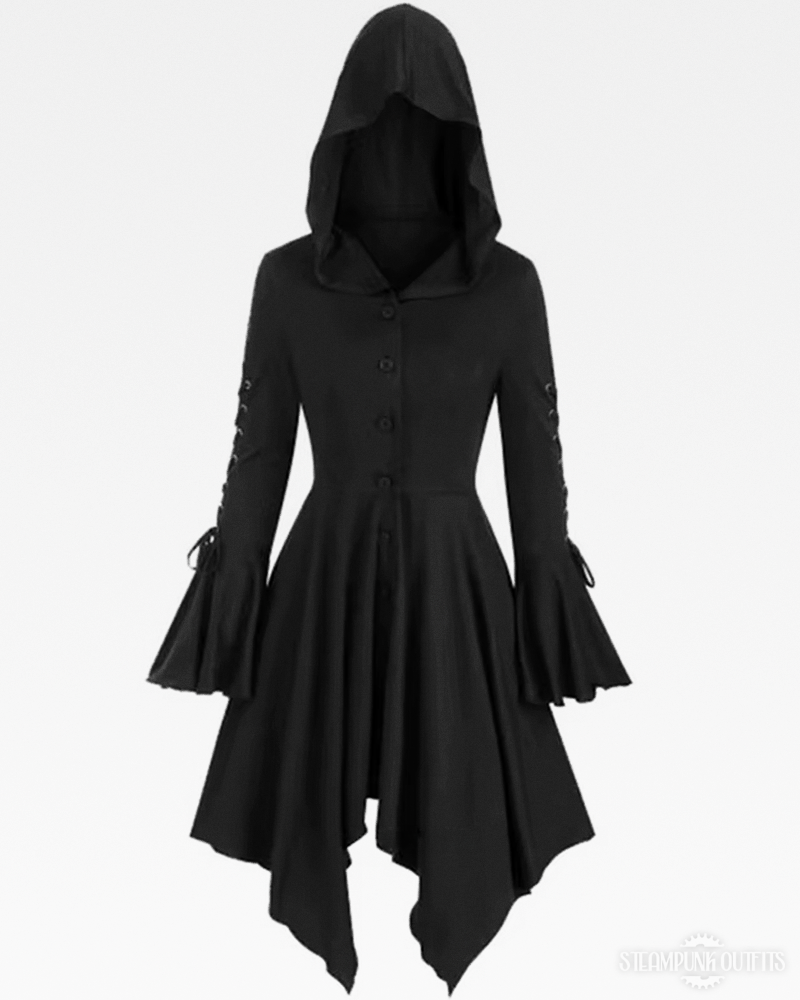
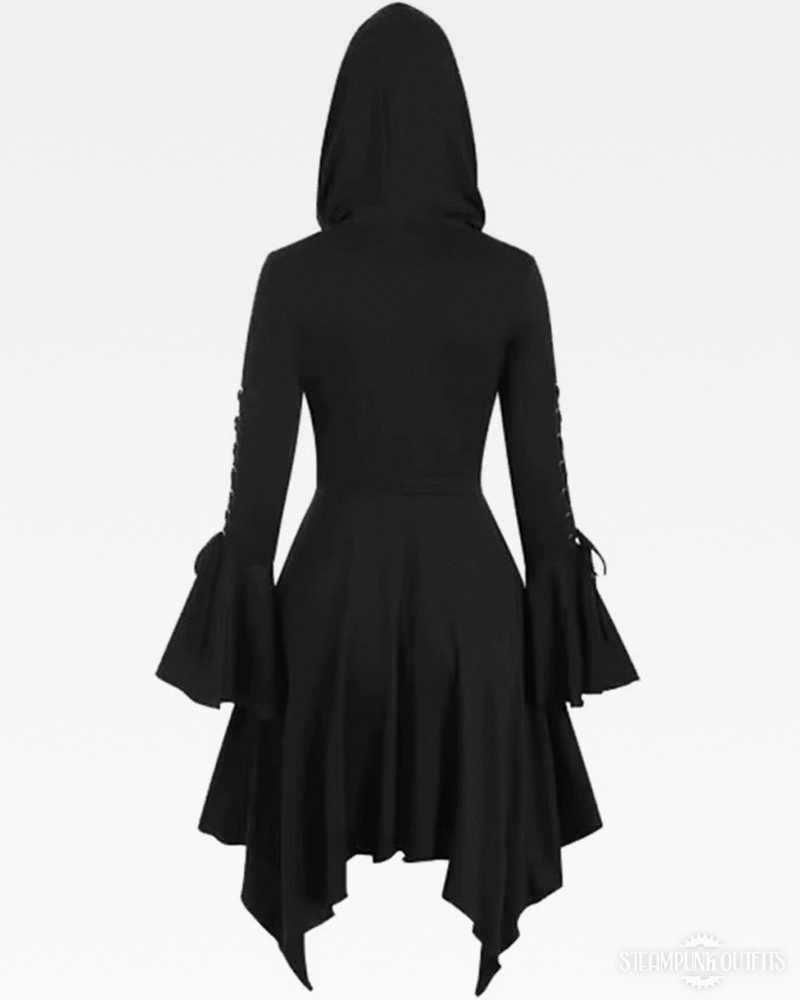

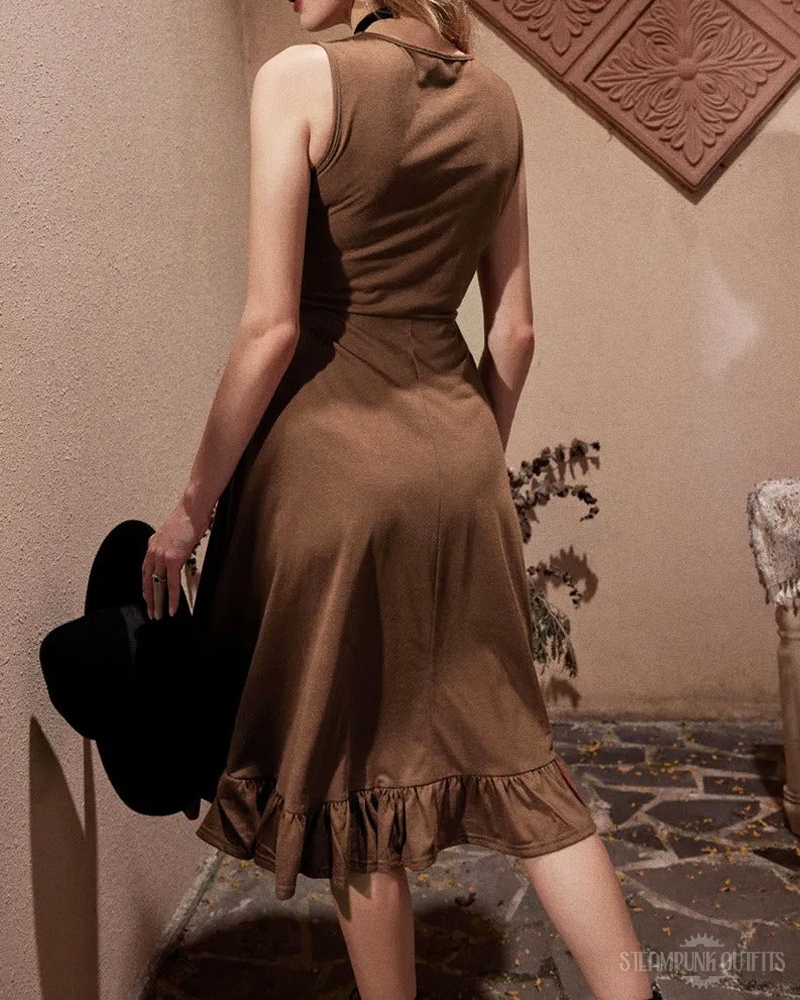
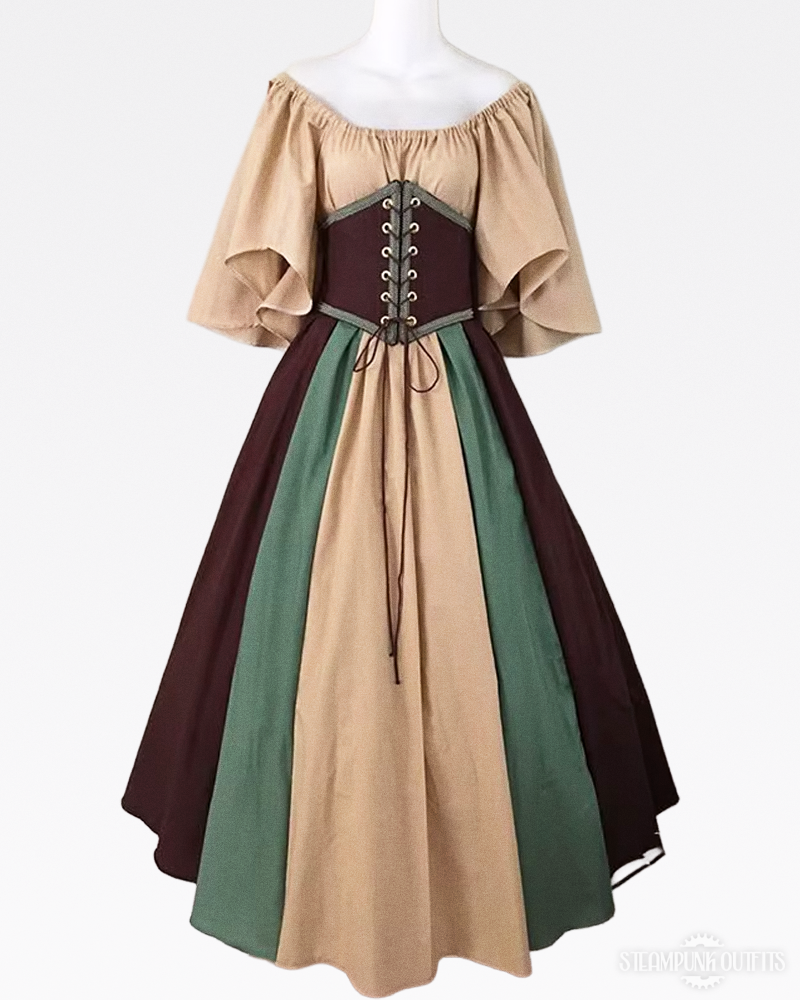
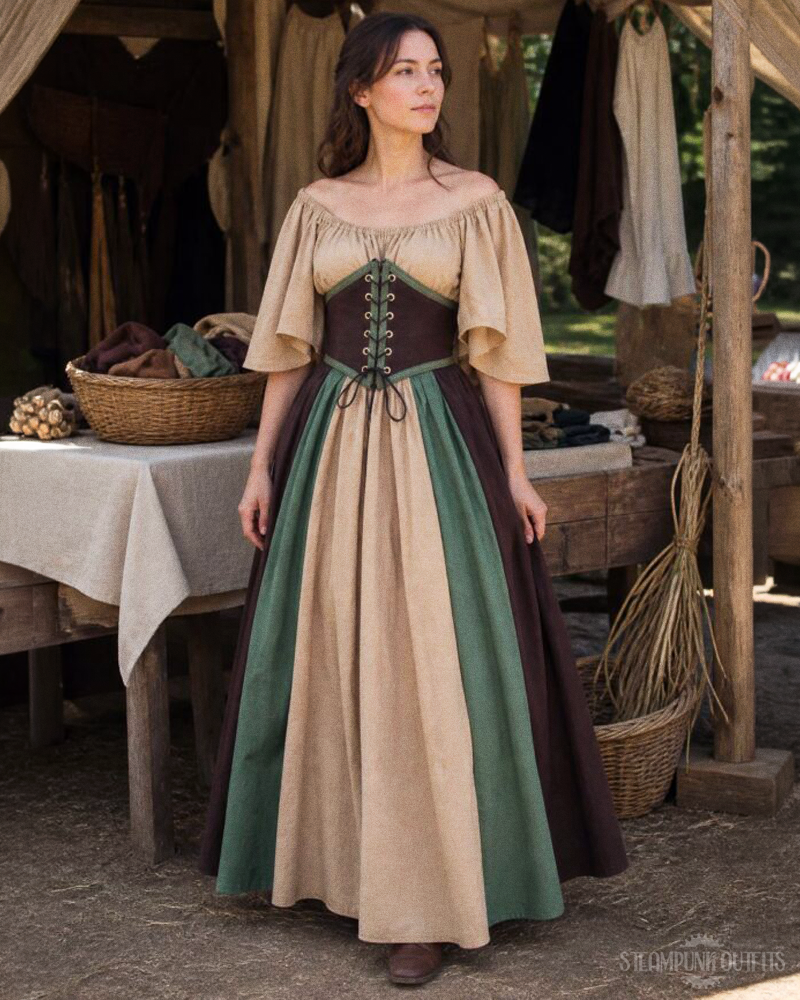
Brown Steampunk Dress
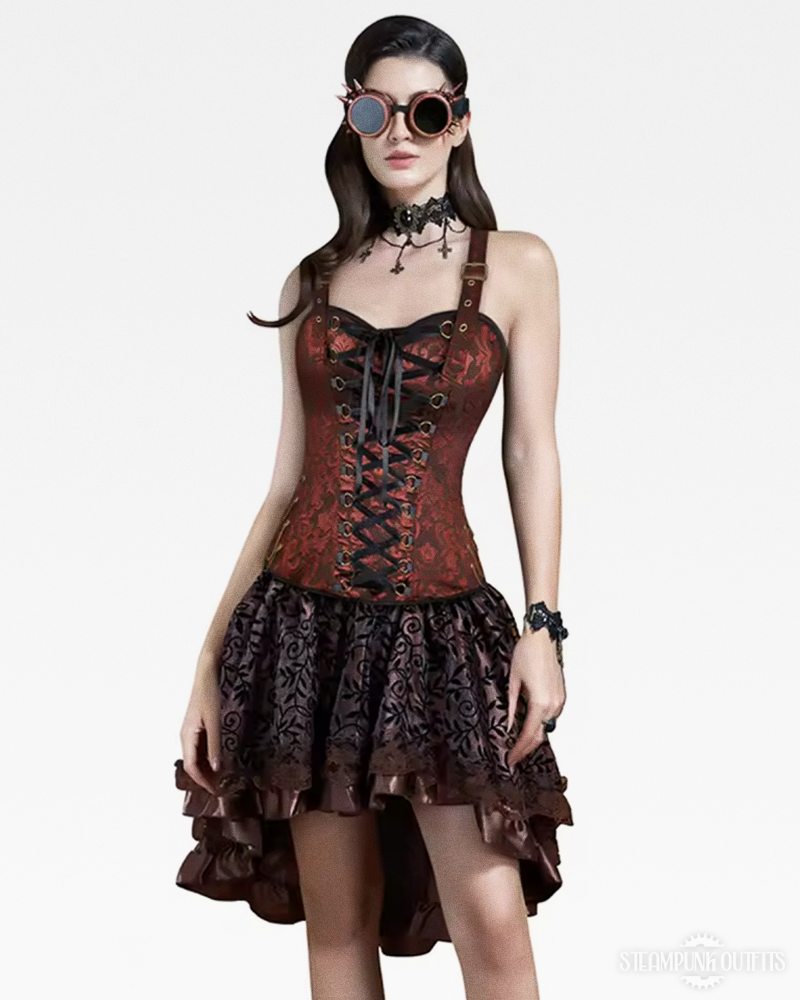
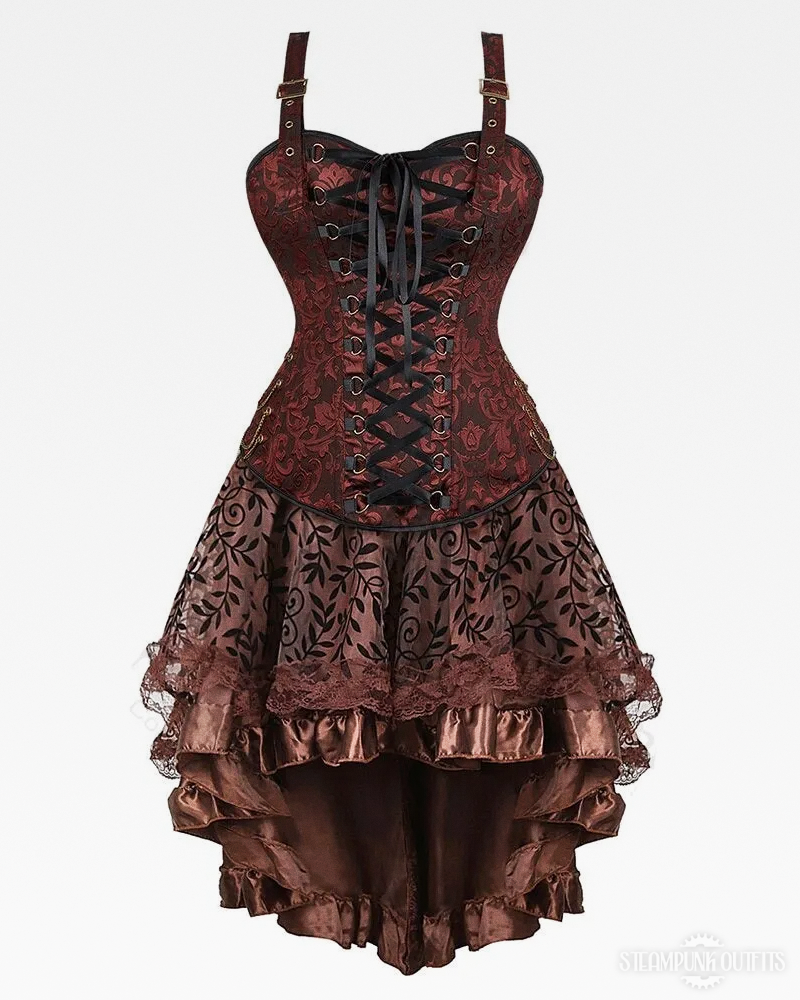
Steampunk Corset Dress


Steampunk Gothic Floral Dress


Ball Gown Victorian Dress
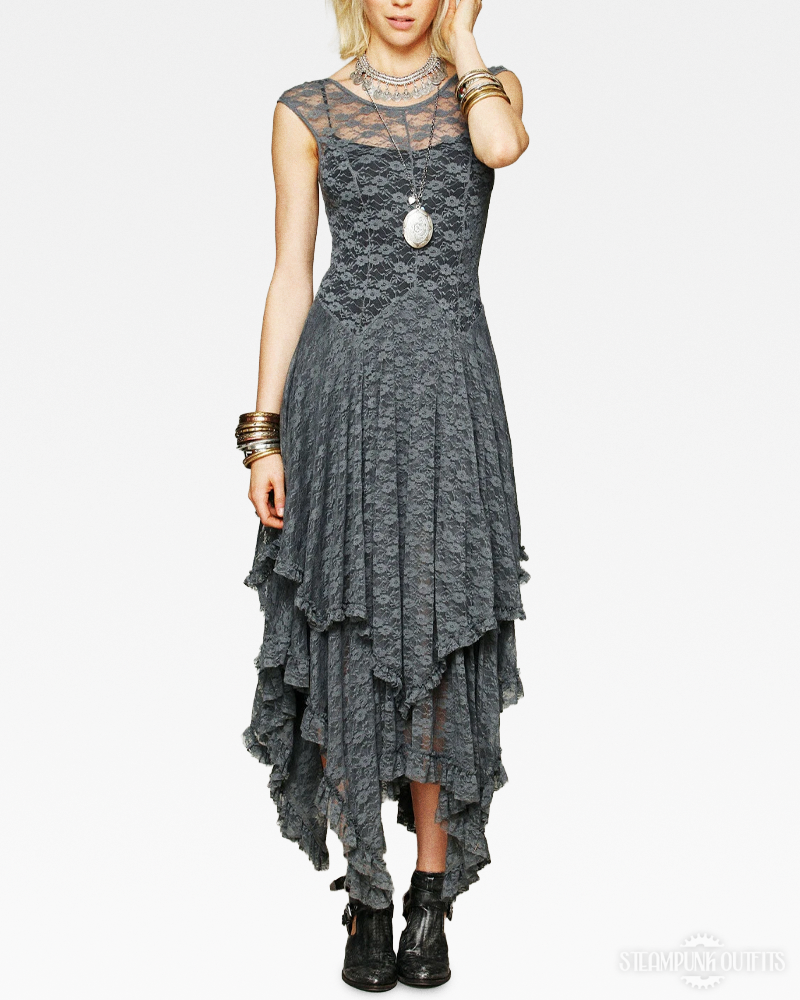
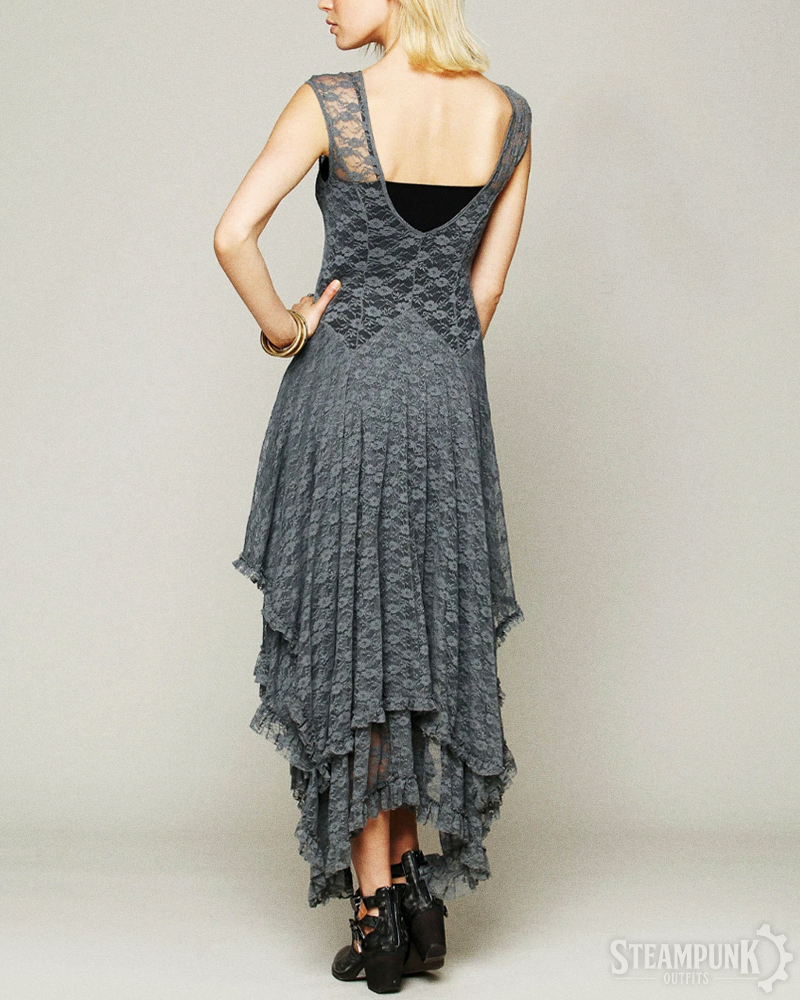
Steampunk Lace Dress
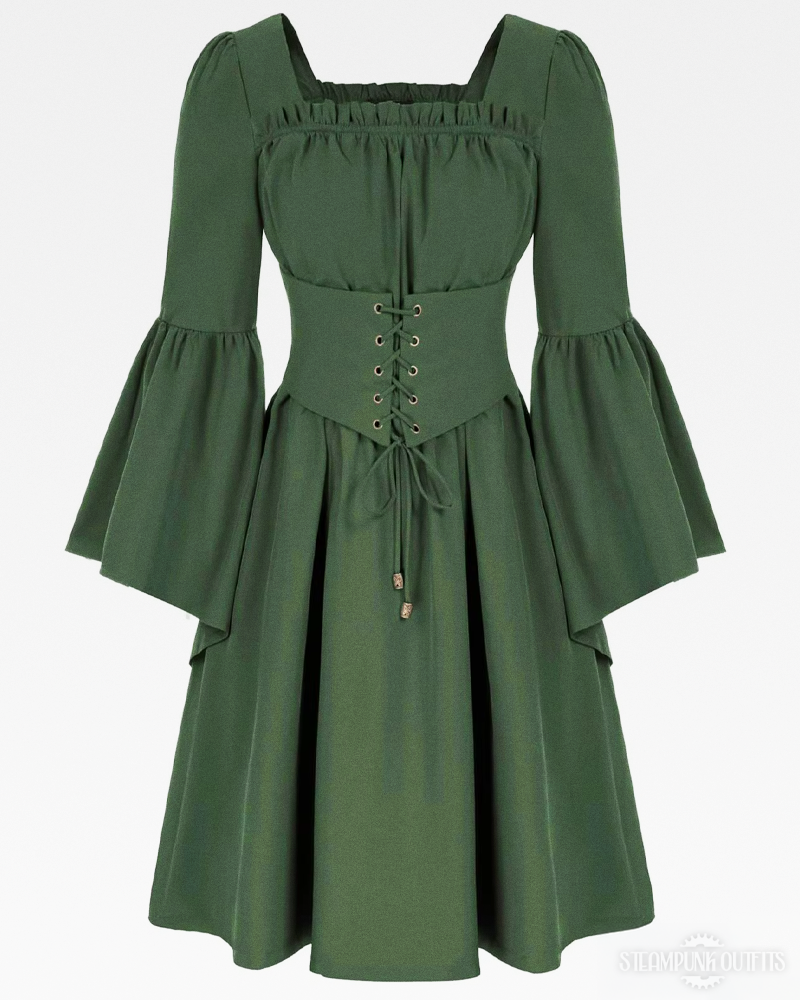
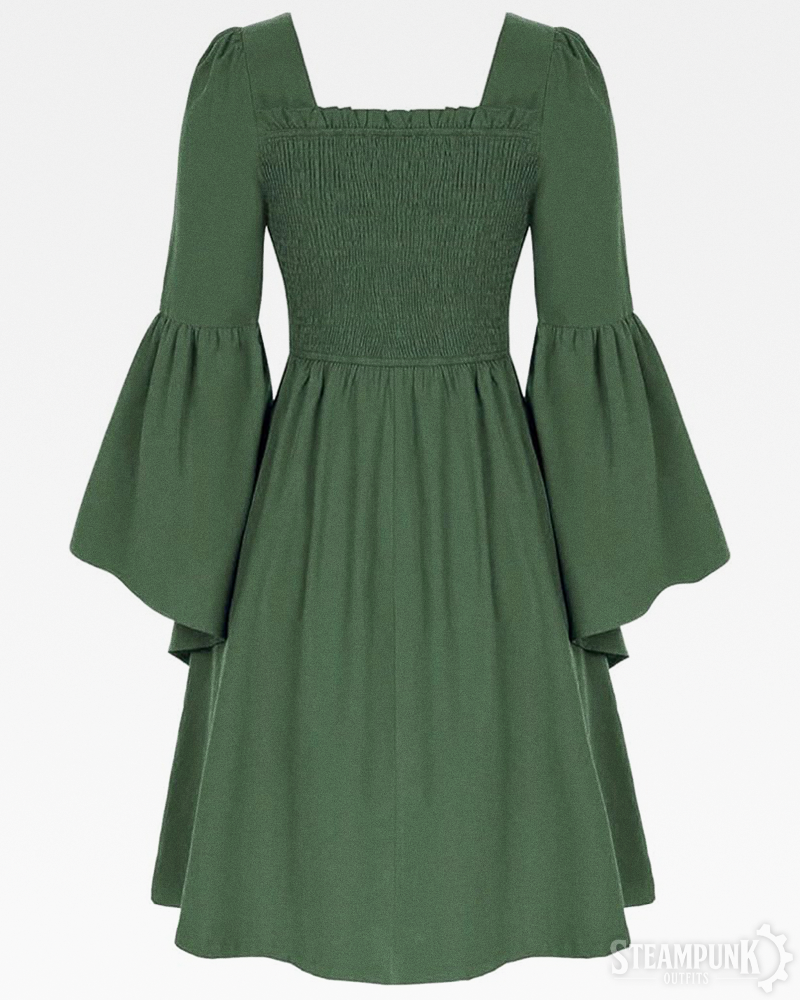
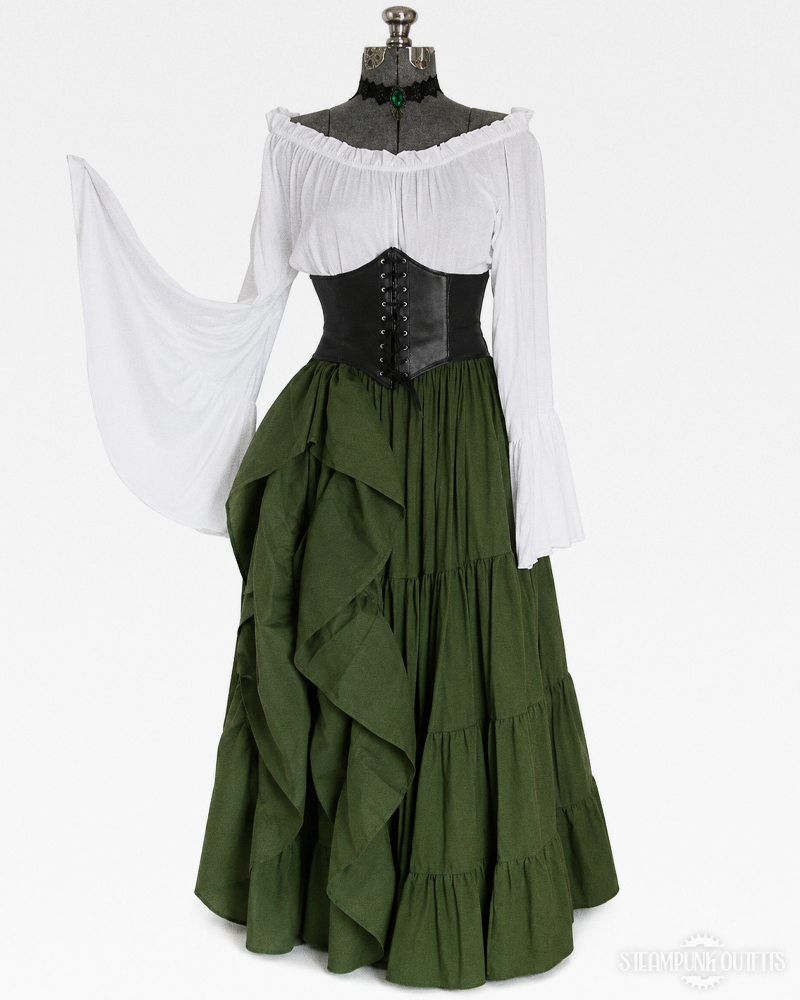
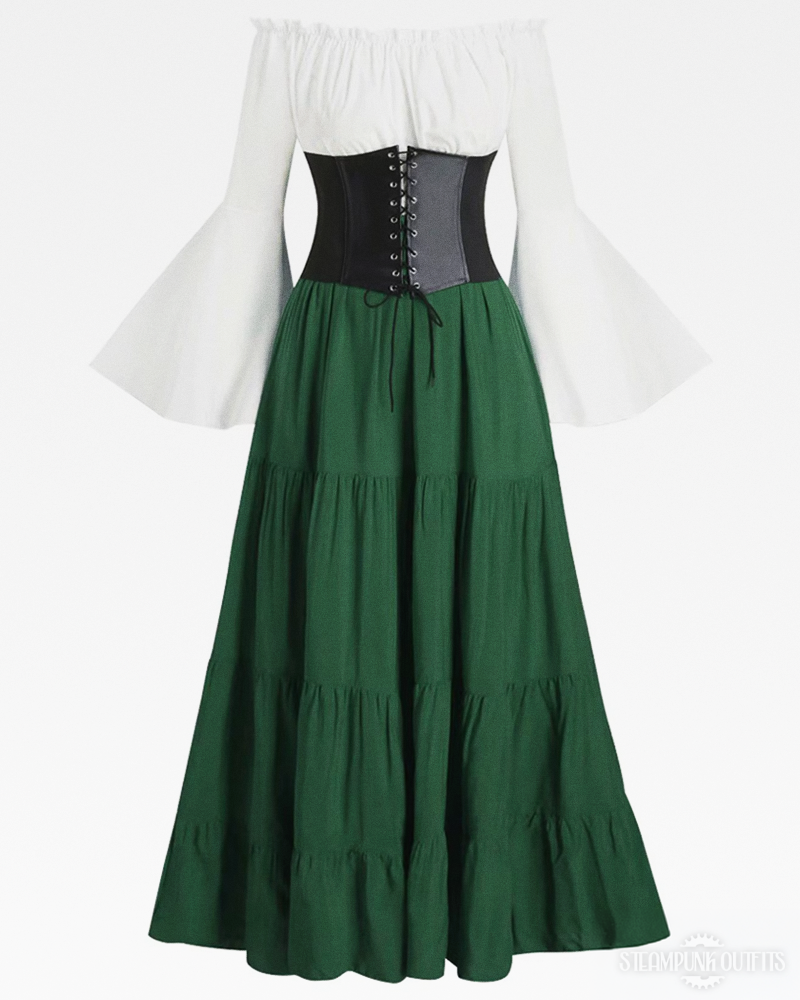
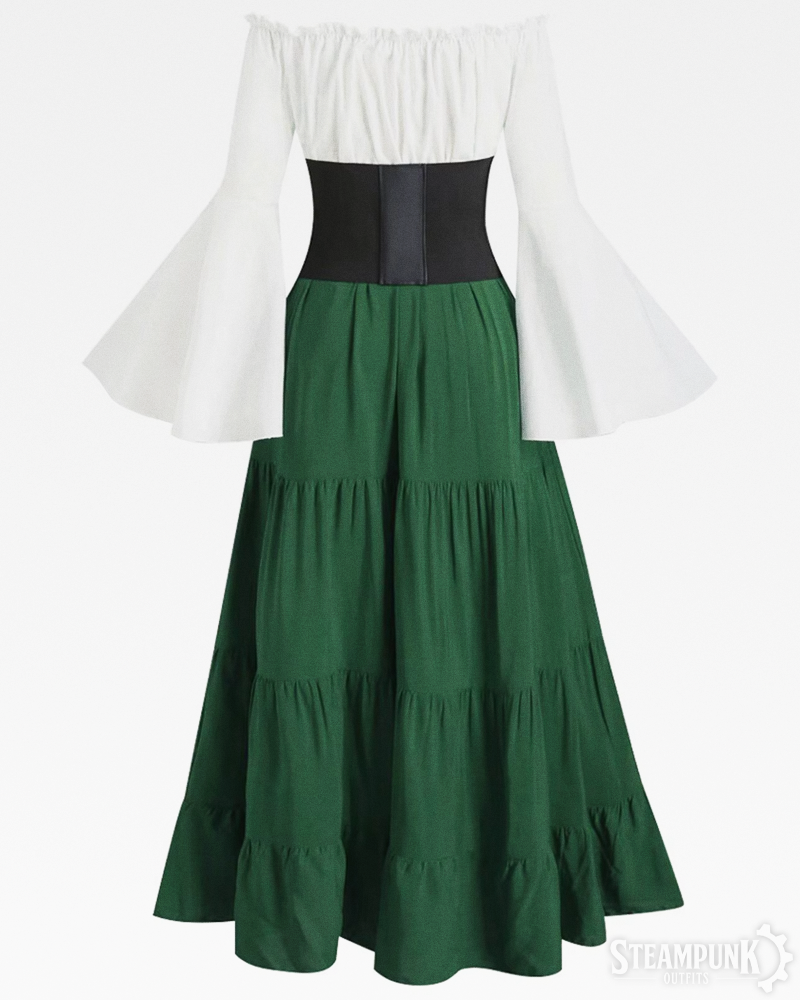
Green Steampunk Dress
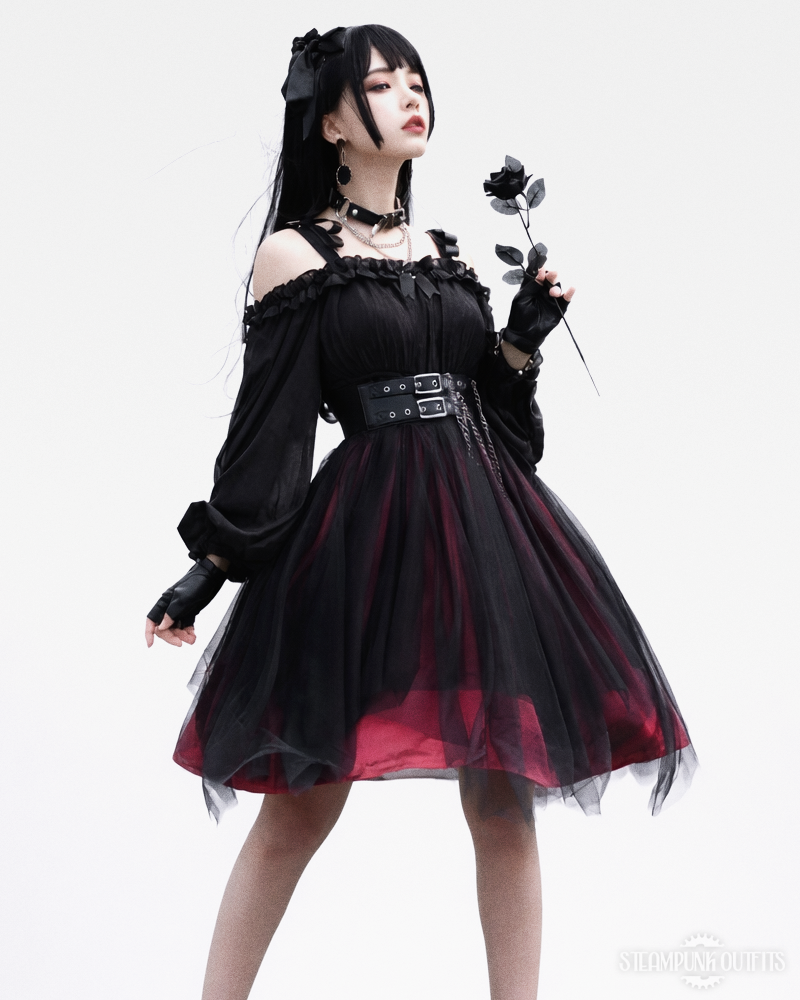
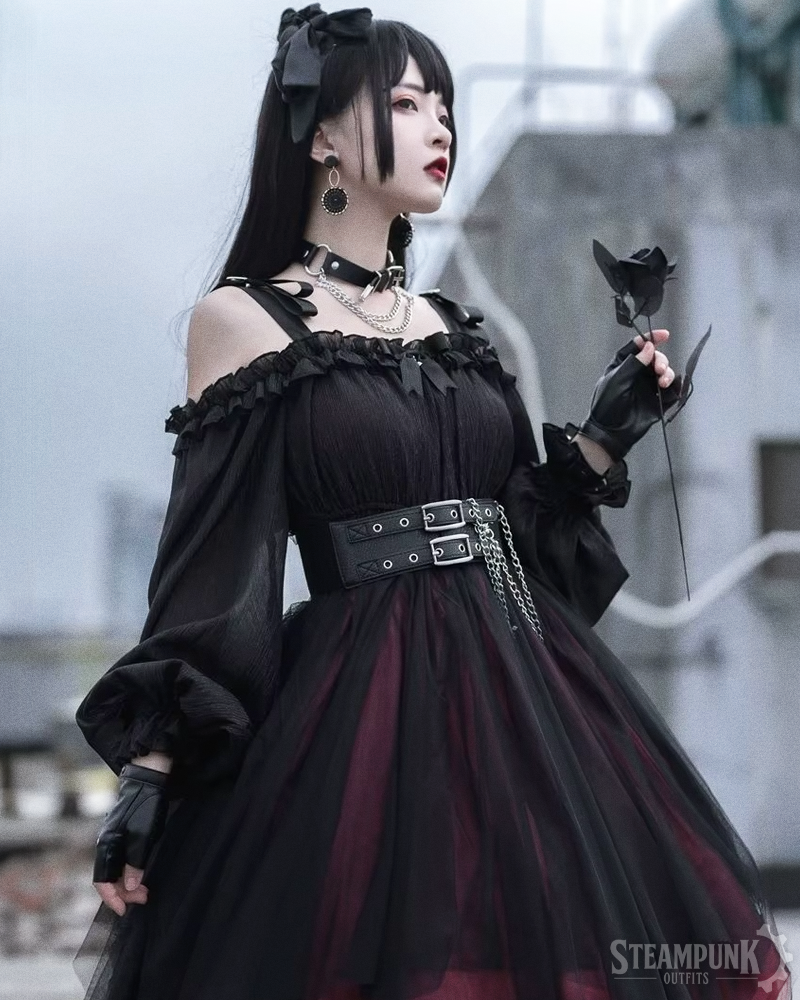
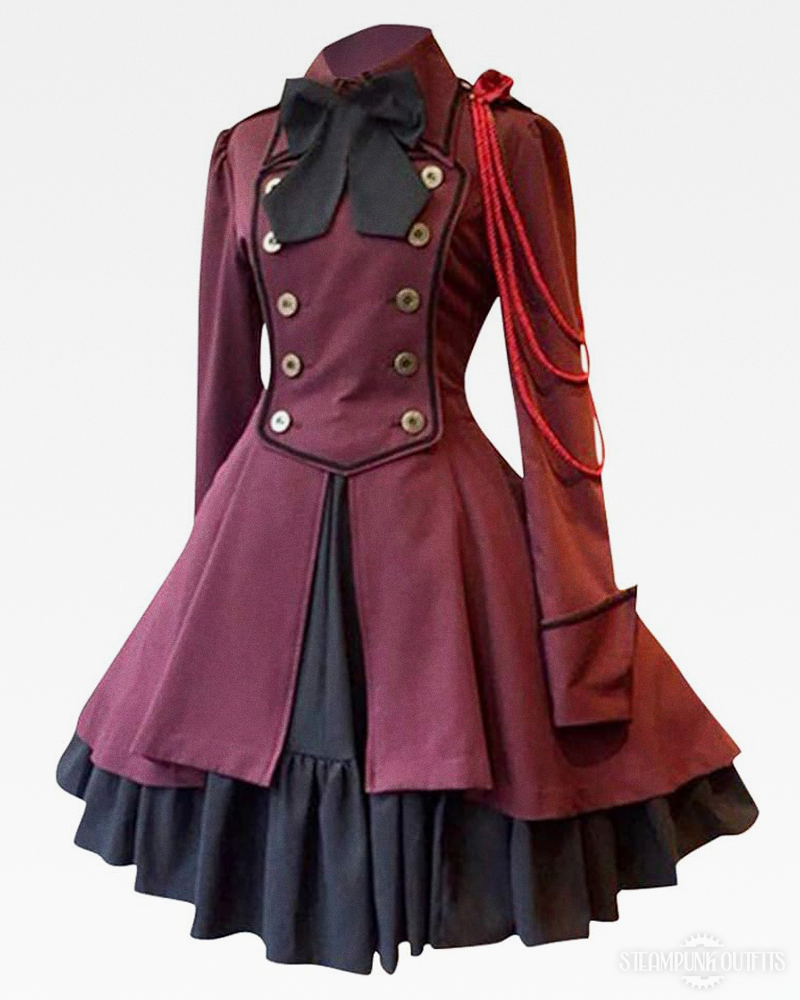
Steampunk Lolita Dress
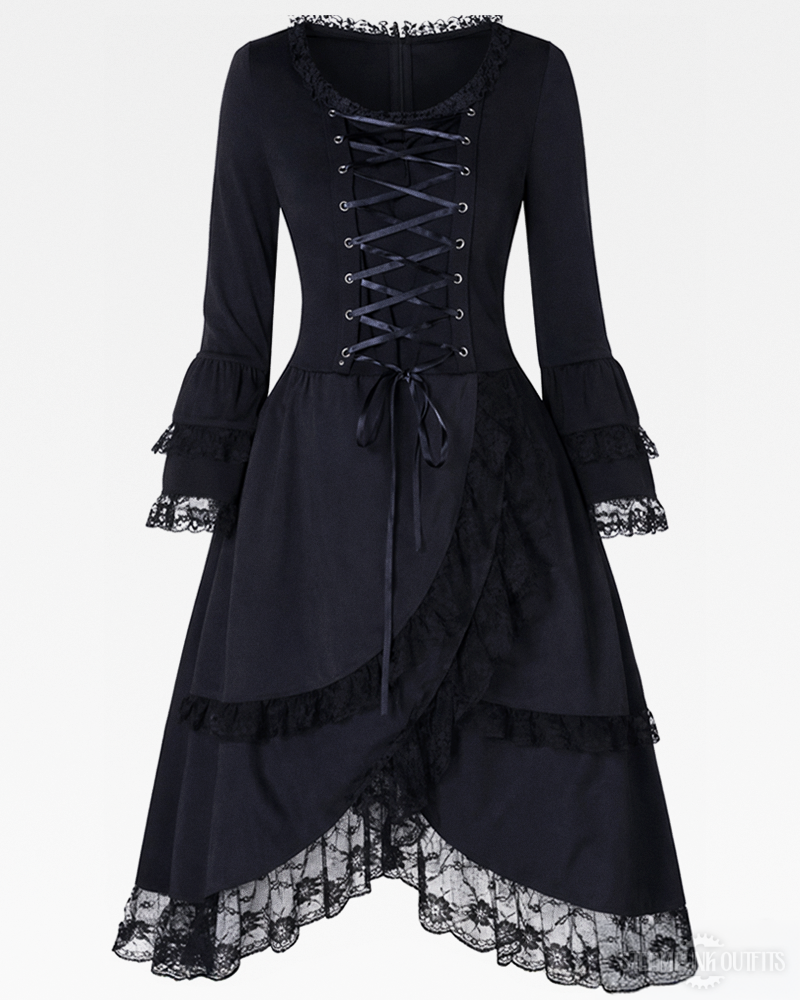
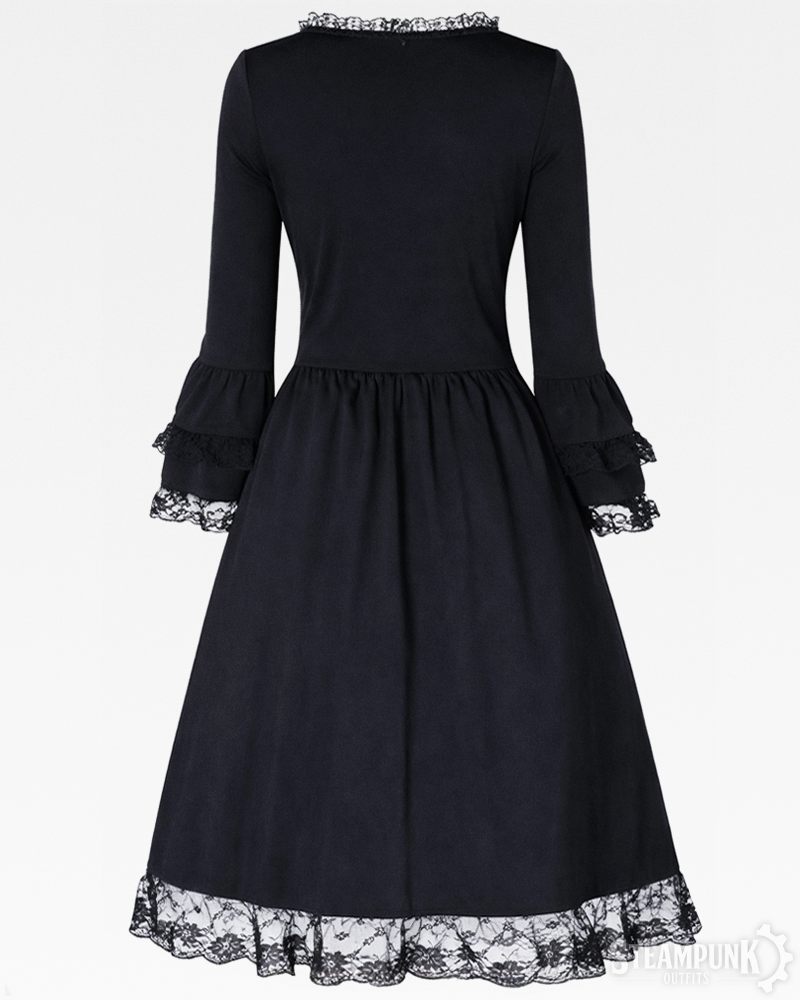
Black Steampunk Victorian Dress
A steampunk dress is more than a fashion choice, it is an entry point into a world shaped by imagination, history, and attitude. Rooted in Victorian elegance and reinterpreted through industrial fantasy, steampunk dresses bring drama and refinement together in a single silhouette. Whether worn for a themed event, a convention, a photoshoot, or personal expression, these pieces instantly command attention. This collection is designed for those who see steampunk clothing as storytelling. Every dress is an invitation to step beyond the ordinary.
Victorian Roots of the Steampunk Dress
The steampunk dress finds its origins in the Victorian era, a period defined by strict social codes, elaborate fashion, and rapid industrial transformation. During the 19th century, clothing was not only a matter of appearance but also a marker of status, gender roles, and social identity. Steampunk fashion draws directly from this heritage, reinterpreting it through an imaginative and alternative lens.
Victorian dresses were characterized by structured bodices, long skirts, and an emphasis on the waist. Corsetry played a central role, shaping the silhouette and creating a dramatic contrast between the upper body and the flowing layers below. Steampunk dresses adopt these foundations while deliberately breaking away from historical accuracy. Hemlines may rise, fabrics may be distressed, and industrial details may interrupt otherwise elegant designs.
What makes the steampunk dress distinct is its relationship with the Industrial Revolution. Steam-powered machinery, metalwork, and mechanical innovation deeply influenced the era, and steampunk exaggerates this influence visually. A dress may appear refined at first glance, but closer inspection reveals leather straps, metal buckles, exposed fastenings, or gear-inspired ornaments.
Rather than reproducing Victorian fashion exactly, steampunk dresses reinterpret it. They imagine how clothing might have evolved in a world where industry and invention overtook tradition. This tension between elegance and machinery defines the steampunk dress and gives it its unique identity.
Silhouettes and Structure of Steampunk Dresses
Structure is at the heart of any steampunk dress. Unlike modern casual dresses, steampunk designs rely on deliberate construction to create presence and authority. The silhouette is often shaped by fitted bodices, steampunk corsets, or reinforced seams that emphasize posture and form.
Many steampunk dresses follow an hourglass structure inspired by Victorian tailoring. The upper body is fitted and controlled, while the skirt introduces volume, movement, and layering. Bustles, pleats, asymmetrical hems, and layered panels are common, adding depth and visual complexity without overwhelming the wearer.
Short steampunk dresses often focus on sharp lines and strong contrasts. They may feature high-low cuts, layered steampunk skirts, or exposed underlayers that reference traditional petticoats. Longer dresses tend to emphasize drama and flow, with sweeping skirts and heavier fabrics that reinforce the historical influence.
Structure is not only visual but functional. Boning, reinforced stitching, and strategic paneling ensure that the dress holds its shape throughout wear. This is especially important for cosplay, conventions, or events where the dress is worn for extended periods.
A well-constructed steampunk dress feels intentional rather than decorative. Every seam, layer, and cut contributes to the overall identity of the garment, reinforcing its place within the steampunk aesthetic.
Steampunk Dresses' Color Palettes
Color plays a defining role in steampunk dress design. Unlike bright or seasonal fashion trends, steampunk relies on muted, aged, and historically inspired tones. These colors evoke timeworn materials, industrial environments, and antique craftsmanship.
Brown is one of the most common colors, ranging from light sepia to deep chocolate tones. It references leather, aged fabrics, and Victorian interiors. Black adds contrast and authority, often used to ground more elaborate designs or highlight structural elements.
Burgundy, dark red, and wine tones introduce depth and drama. These colors recall velvet drapes, formal attire, and aristocratic influence, making them popular choices for corseted bodices and layered skirts. Olive green, deep blue, and charcoal gray are also used to add variation while remaining within a restrained palette.
Metallic accents are rarely bright. Instead, steampunk dresses favor antique gold, bronze, copper, and tarnished silver finishes. These tones reinforce the industrial fantasy without overpowering the garment.
The overall effect is cohesive and atmospheric. A steampunk dress rarely relies on a single color. Instead, it combines complementary shades and textures to create a layered, lived-in appearance.
Choosing the Right Steampunk Dress
Choosing the right steampunk dress starts with understanding the role the dress will play. Some dresses are designed for elaborate steampunk costumes and cosplays, while others are more restrained and wearable for themed events or photoshoots. Clarifying the intended use helps narrow down the silhouette, length, and level of detail.
Body structure is another important consideration. Fitted bodices and corsets should support the figure without restricting movement. The skirt should balance the upper body, whether through volume, layering, or asymmetry. A dress that fits well enhances confidence and presence, which are central to the steampunk aesthetic.
Character inspiration can guide the selection process. An engineer-inspired look may favor darker colors and utilitarian details, while an aristocratic or explorer-inspired dress may lean toward elegance and layered fabrics. Choosing a clear direction prevents the outfit from feeling disjointed.
Material choice also matters. Heavier fabrics create drama and authenticity but may be less comfortable in warm environments. Lighter fabrics allow for mobility and layering but may require stronger structure to maintain shape.
Ultimately, the right steampunk dress is one that feels cohesive. It should look as though every element belongs together, reinforcing a single visual identity rather than combining unrelated ideas.
How to Wear a Steampunk Dress?
Wearing a steampunk dress is about composition rather than excess. While the aesthetic allows for detail, balance is essential. The dress should act as the foundation, with accessories and layers enhancing rather than competing with it.
Layering is one of the most effective ways to style a steampunk dress. Adding a fitted steampunk jacket, bolero, or shrug introduces contrast and reinforces the Victorian influence. For a more dramatic silhouette, a long steampunk coat adds depth and movement while enhancing the Victorian presence of the ensemble. Belts and waist cinchers can redefine the silhouette and add industrial texture.
Footwear plays a critical role. Lace-up boots, ankle boots, or knee-high leather boots ground the outfit and prevent it from appearing too delicate. Footwear should feel sturdy and intentional, aligning with the industrial aspect of steampunk.
Accessories should be chosen with restraint. Goggles, gloves, chokers, pocket watches, or small mechanical details can elevate the look, but overloading the outfit can dilute its impact. Each accessory should serve a visual or thematic purpose.
Posture and presence matter as much as clothing. A steampunk dress is designed to be worn with confidence. Standing tall and moving deliberately reinforces the strength and character implied by the garment.
Caring for a Steampunk Dress
Proper care ensures that a steampunk dress retains its structure, color, and details over time. Due to the combination of fabrics, fastenings, and decorative elements, these dresses often require more attention than everyday garments.
Cleaning should always follow the specific care instructions provided. Hand washing or gentle cleaning methods are often recommended, especially for dresses with corsetry, metal accents, or layered fabrics. Harsh washing cycles can damage structure and finishes.
Storage is equally important. Steampunk dresses should be stored in a cool, dry place, preferably hung on padded hangers to preserve shape. Heavy dresses may benefit from being stored flat to avoid stress on seams.
Metal elements should be checked periodically for signs of oxidation or wear. Light cleaning with appropriate materials helps maintain their appearance without damaging surrounding fabrics.
When cared for properly, a steampunk dress becomes more than a costume. It evolves into a lasting piece that reflects craftsmanship, imagination, and respect for the aesthetic it represents.