
Steampunk Boots
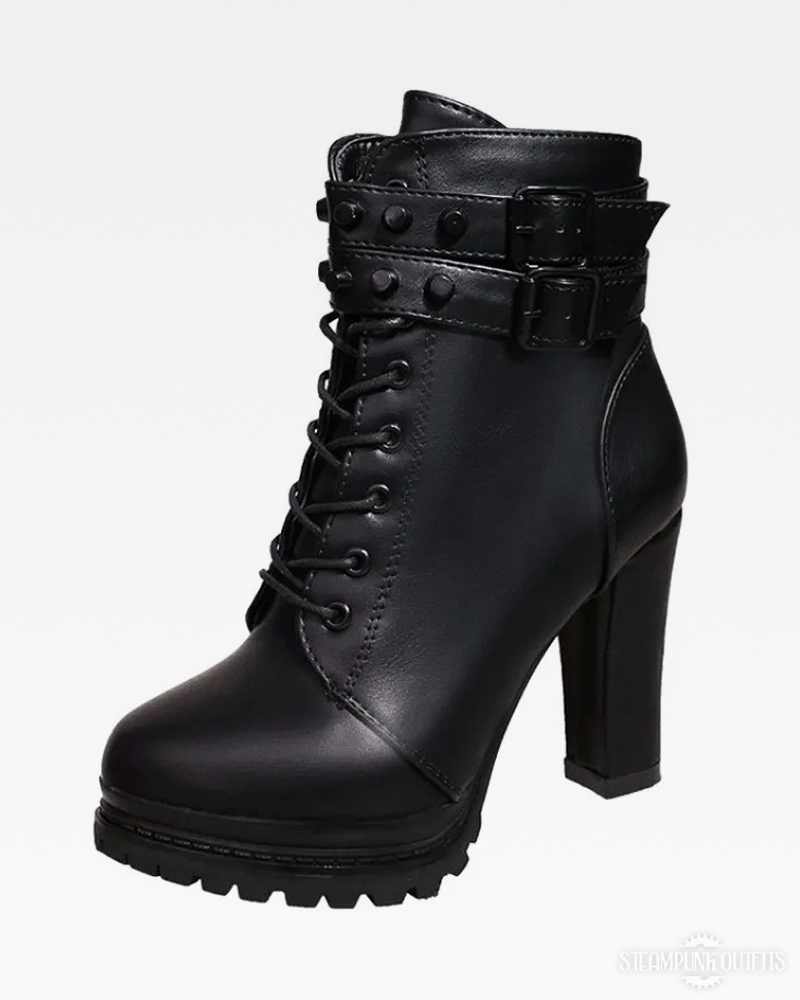
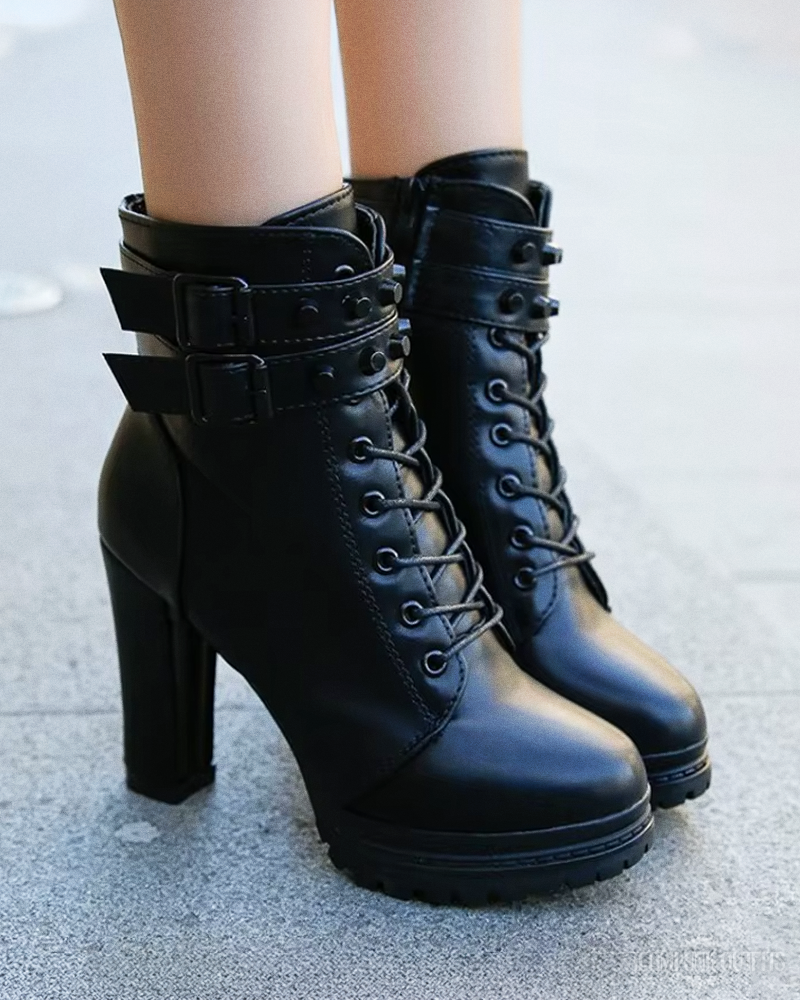
Black Steampunk Ankle Boots
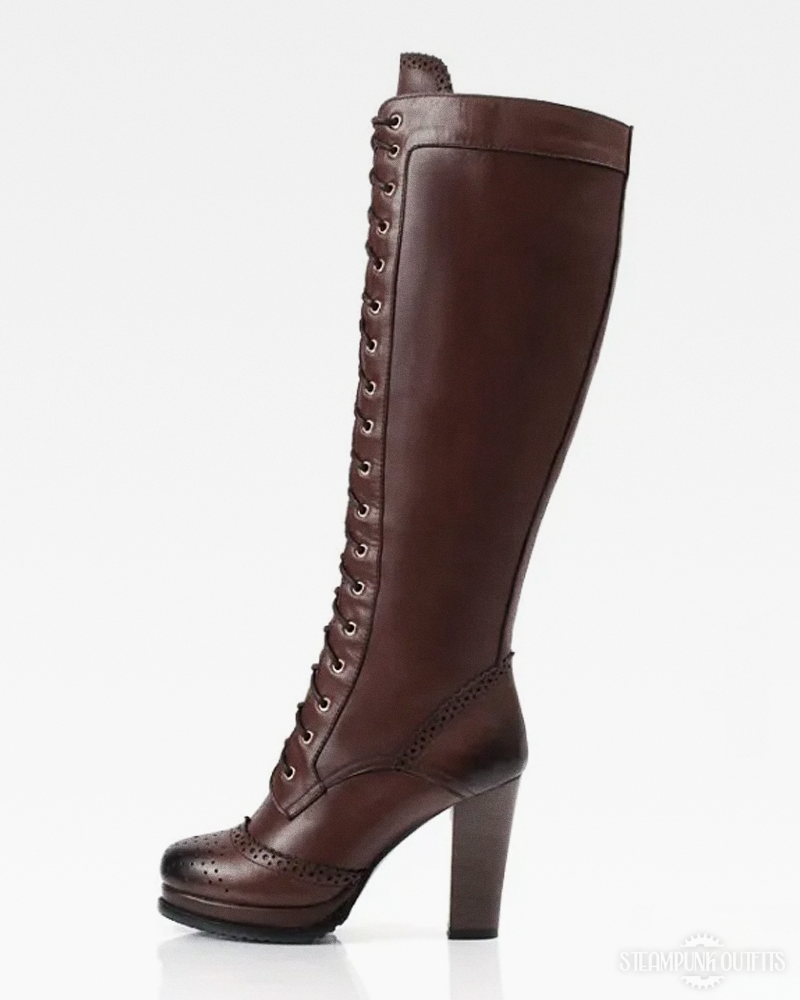
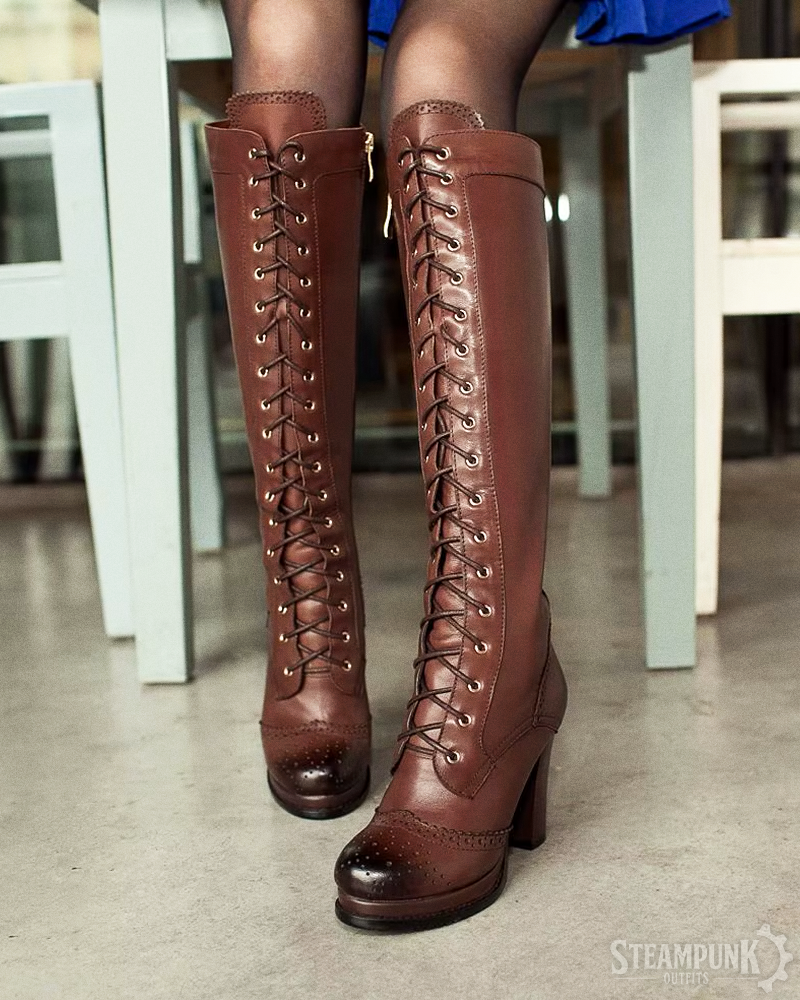
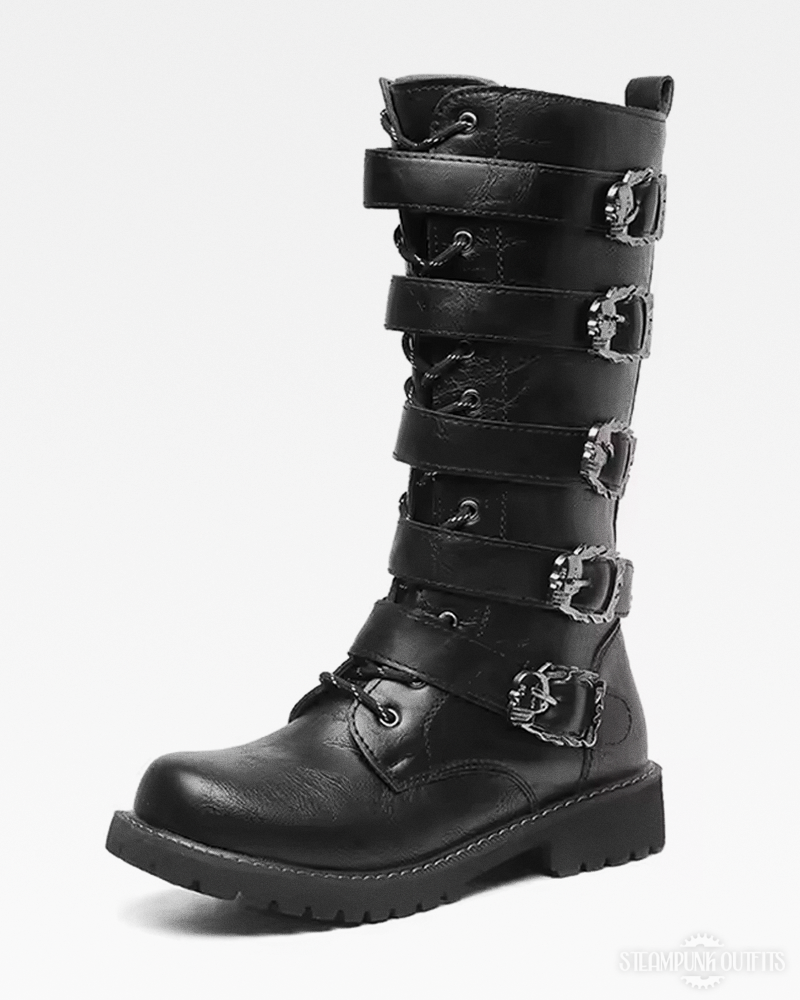
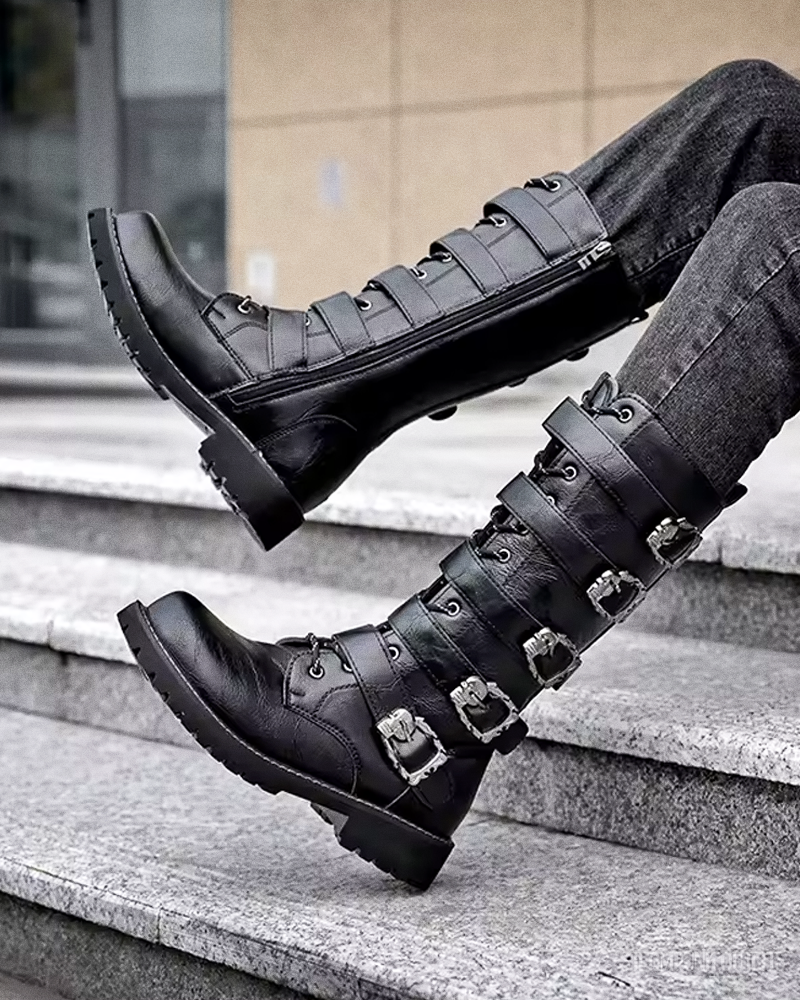
Steampunk Biker Boots
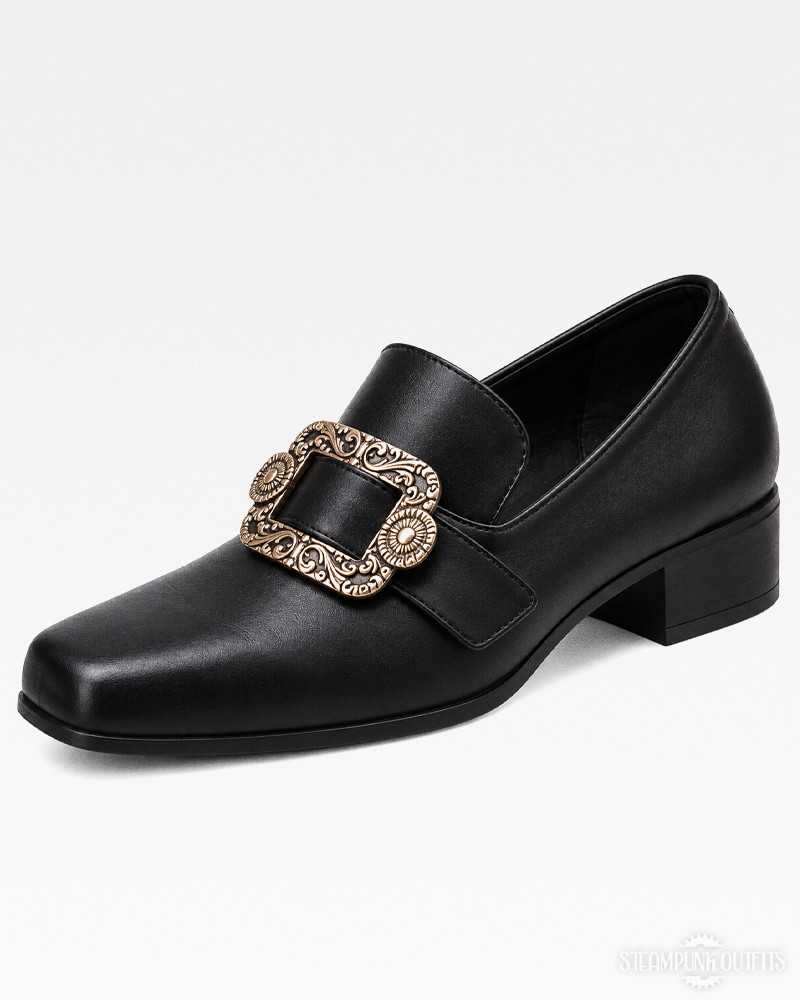
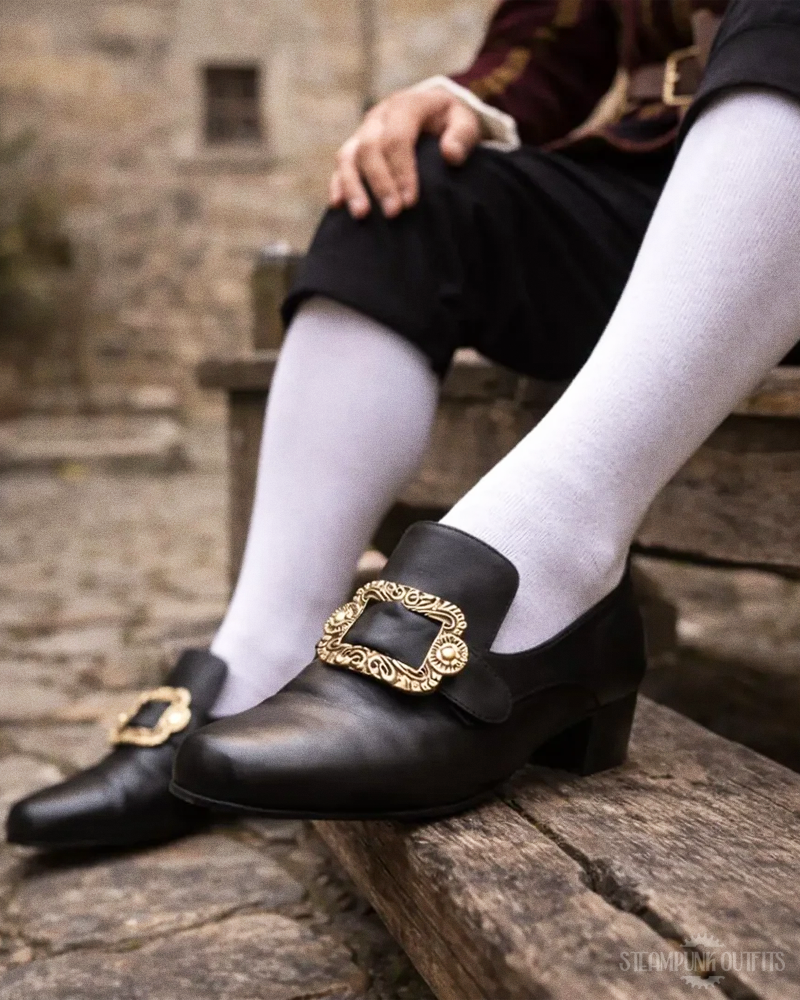
Medieval Shoes
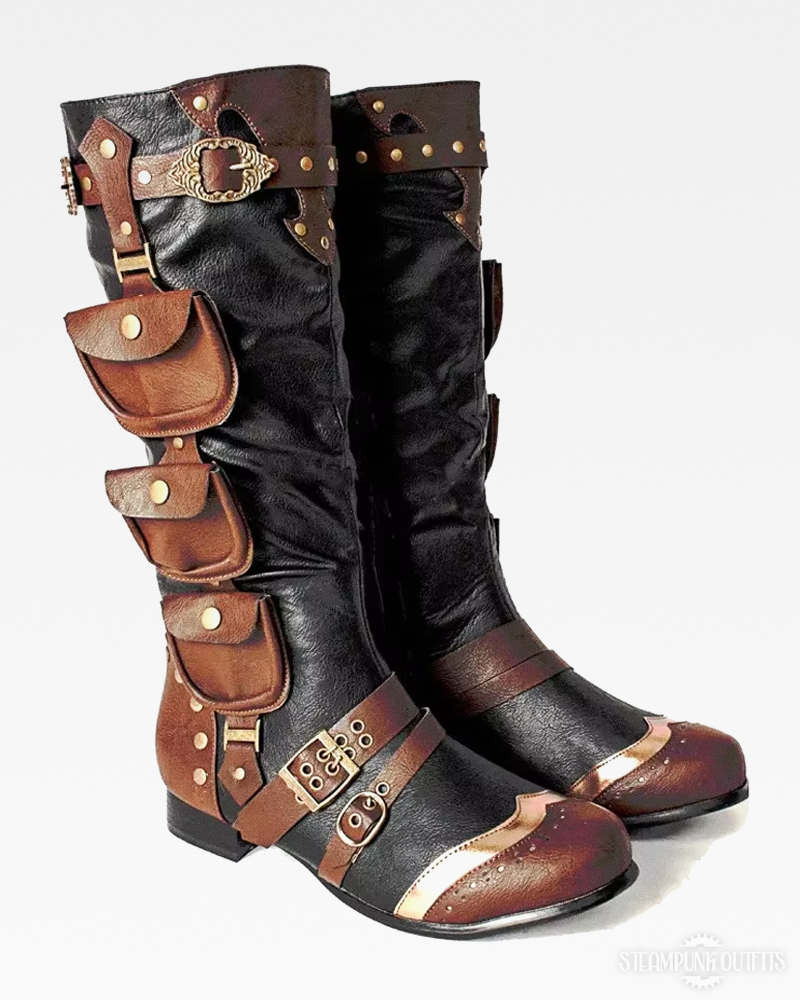
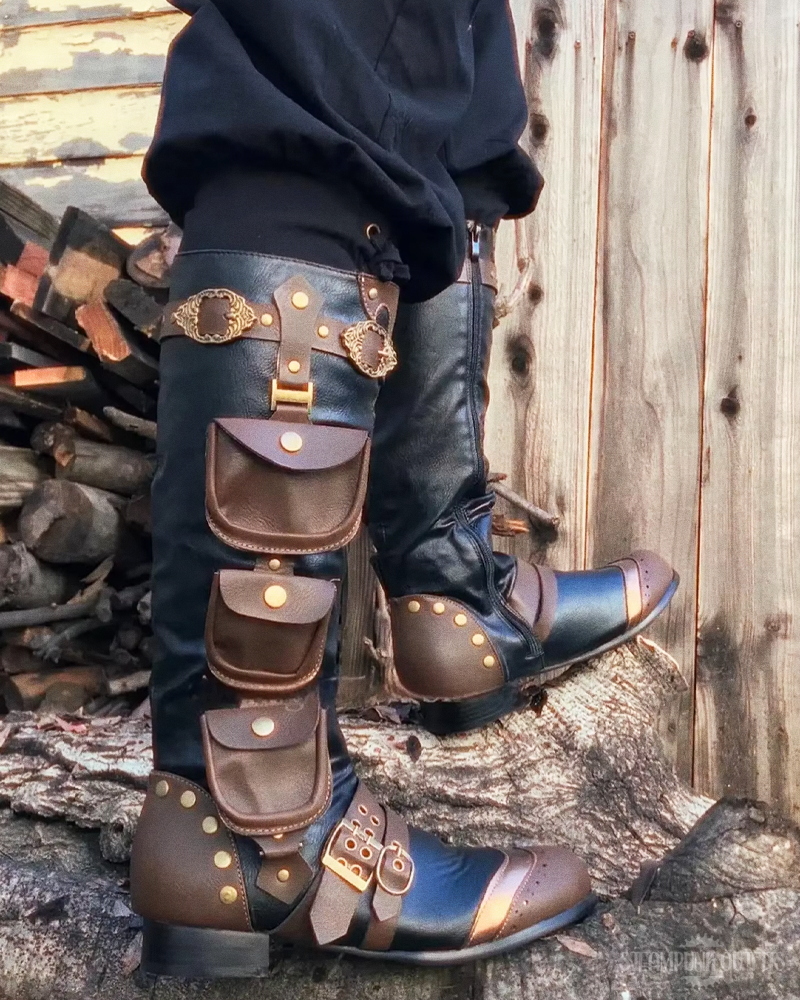
Steampunk Costume Boots
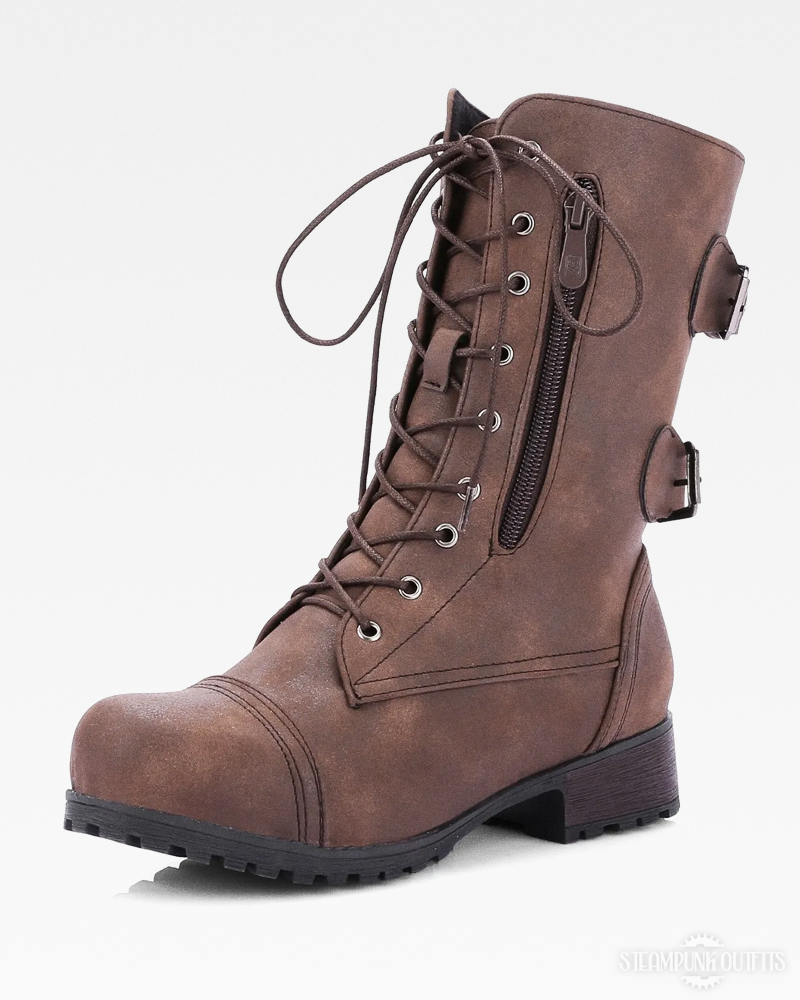
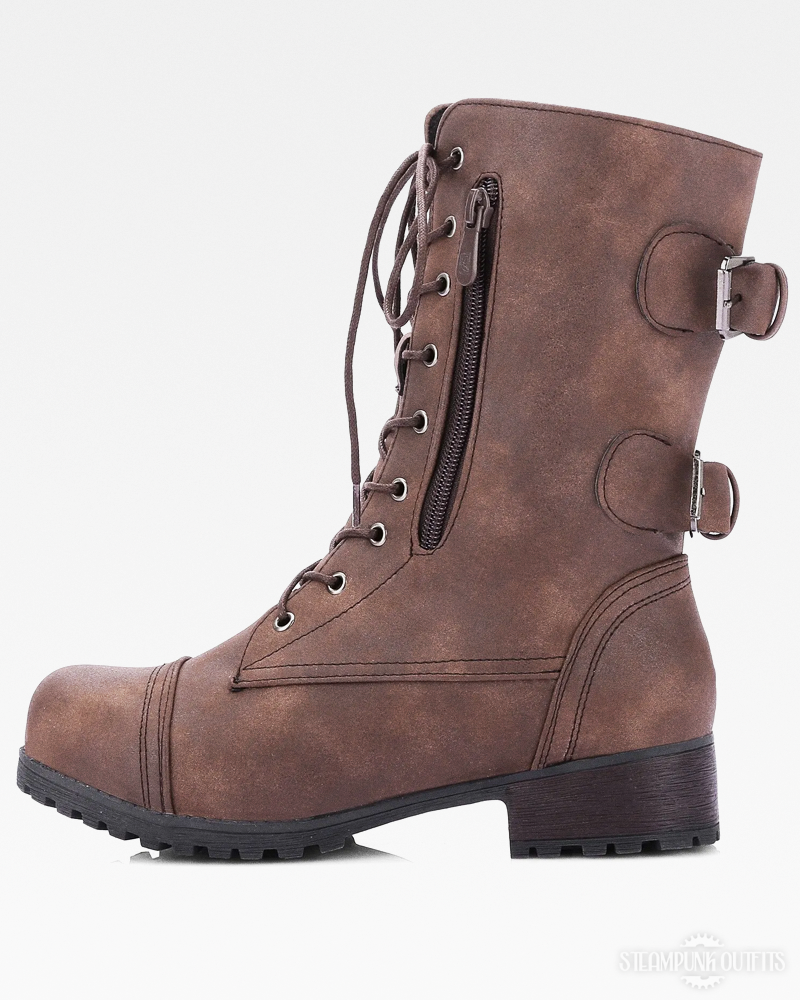
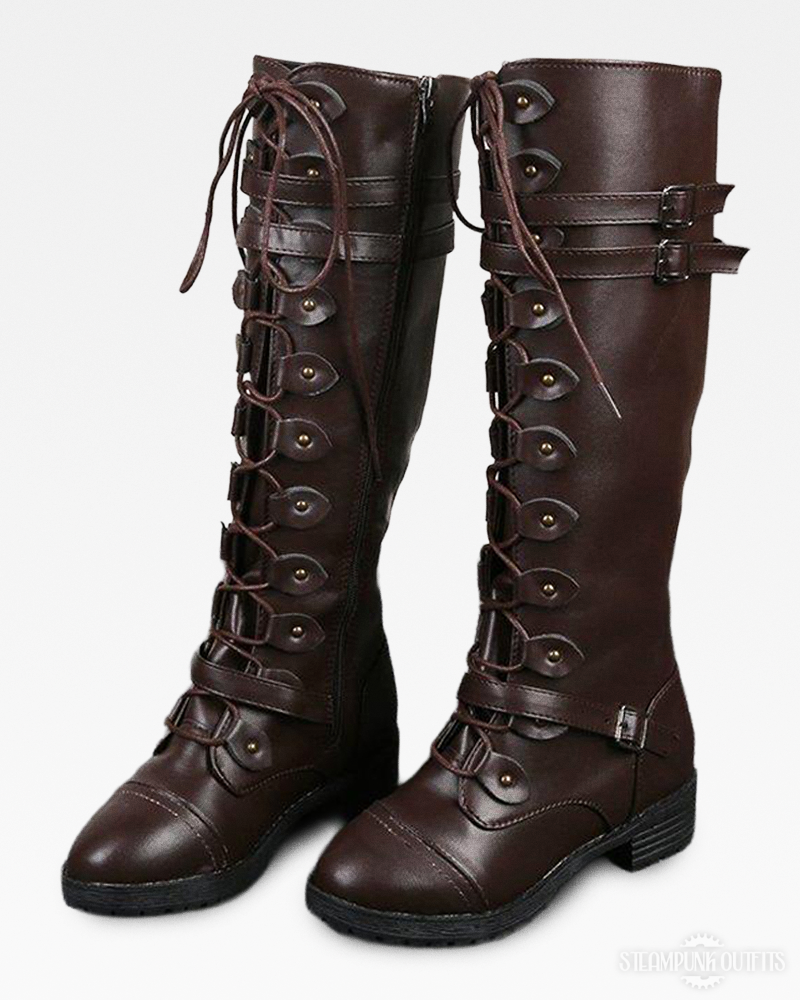
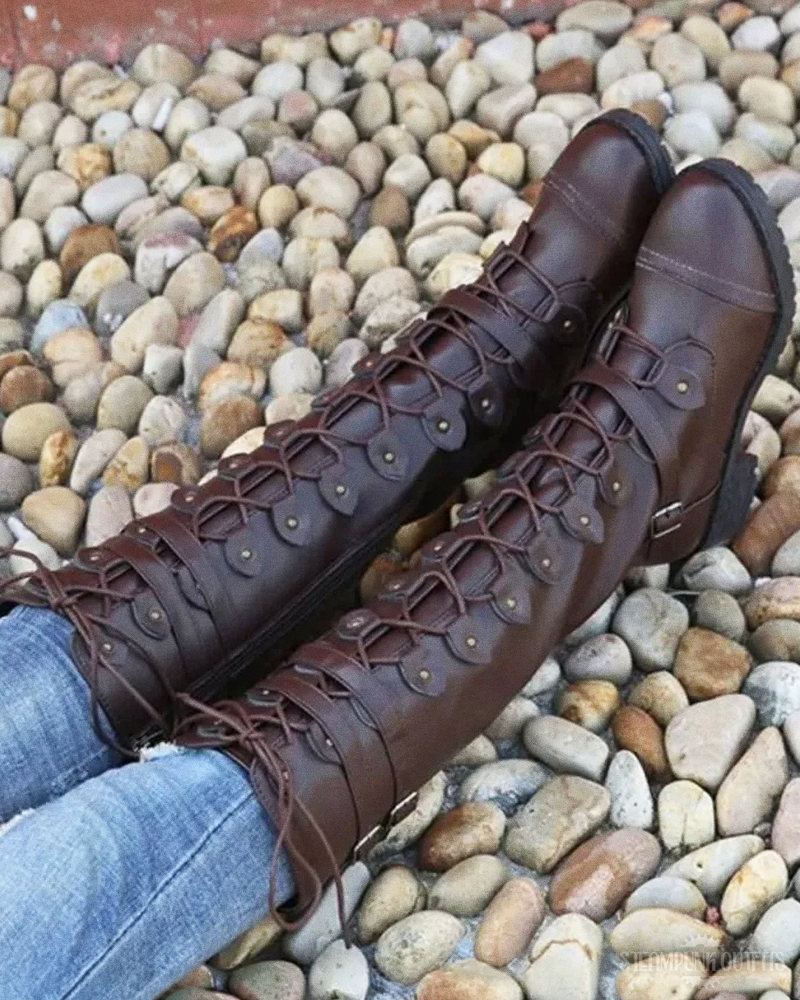
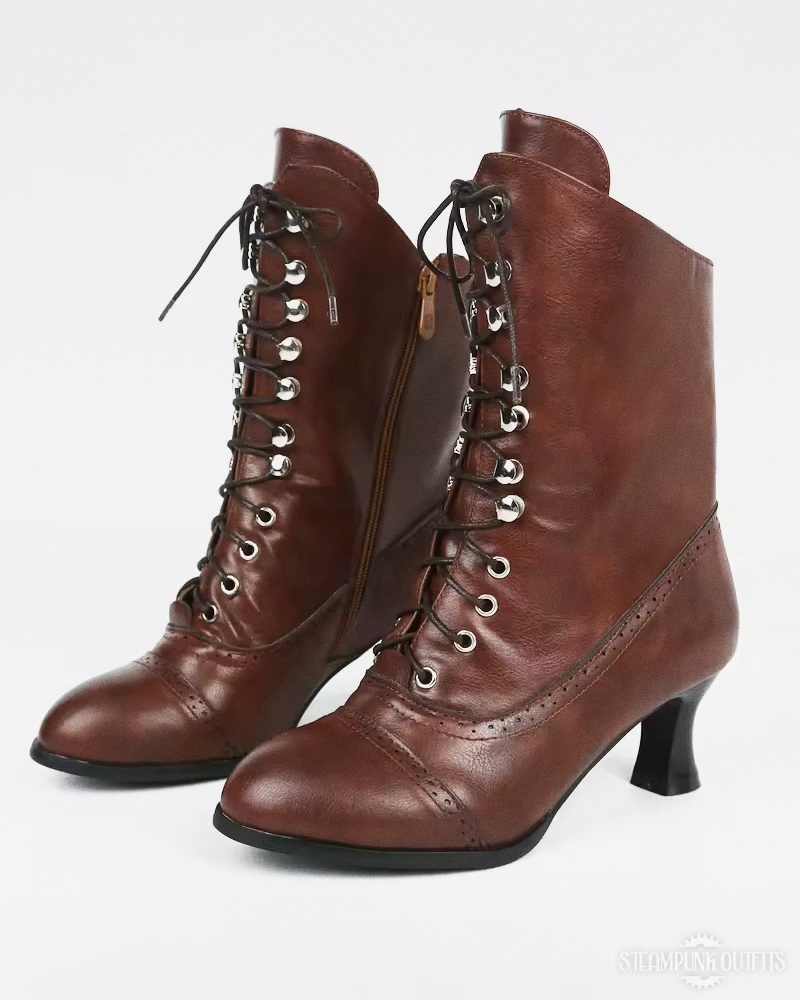
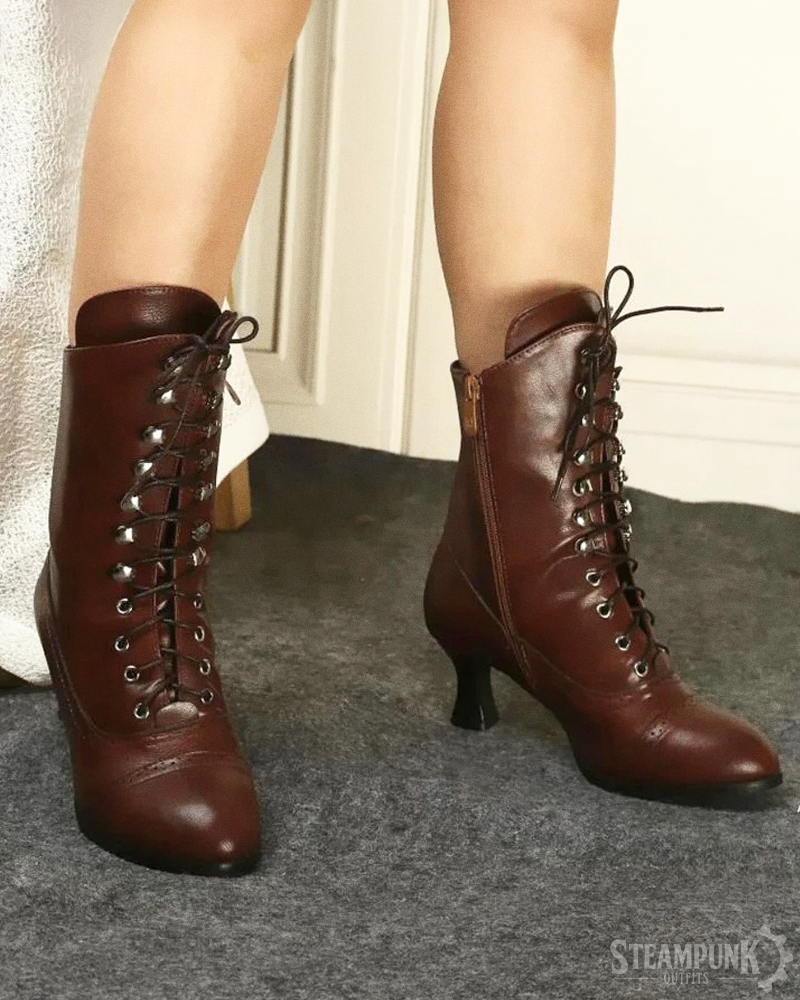
Brown Steampunk Ankle Boots
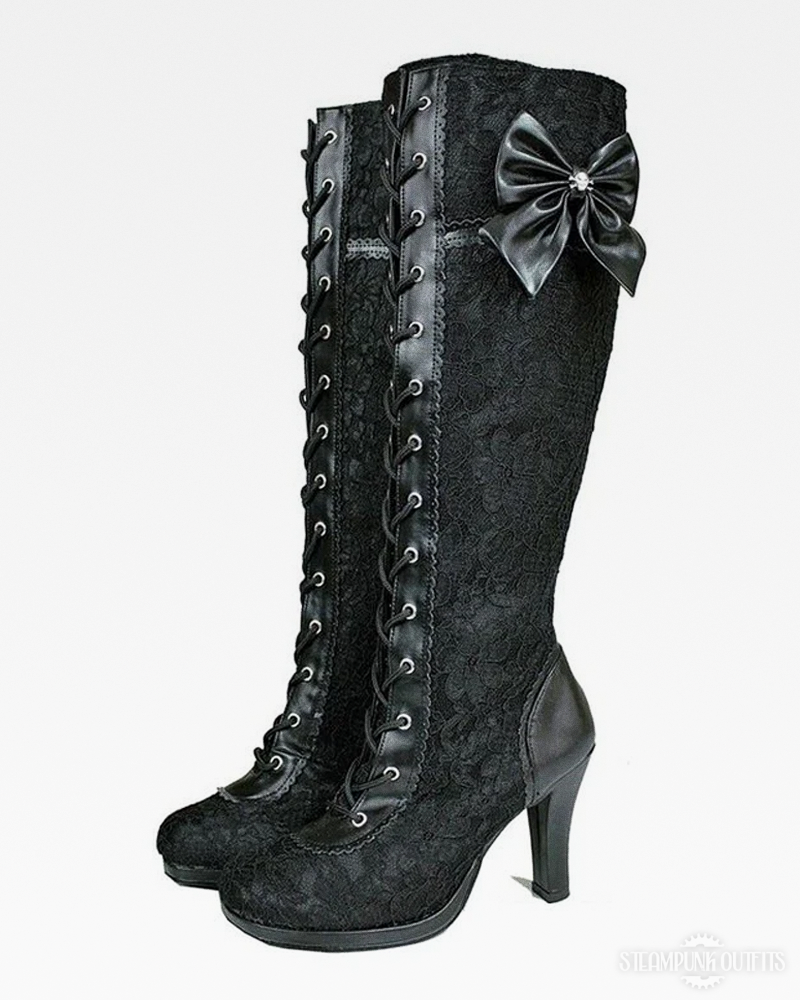
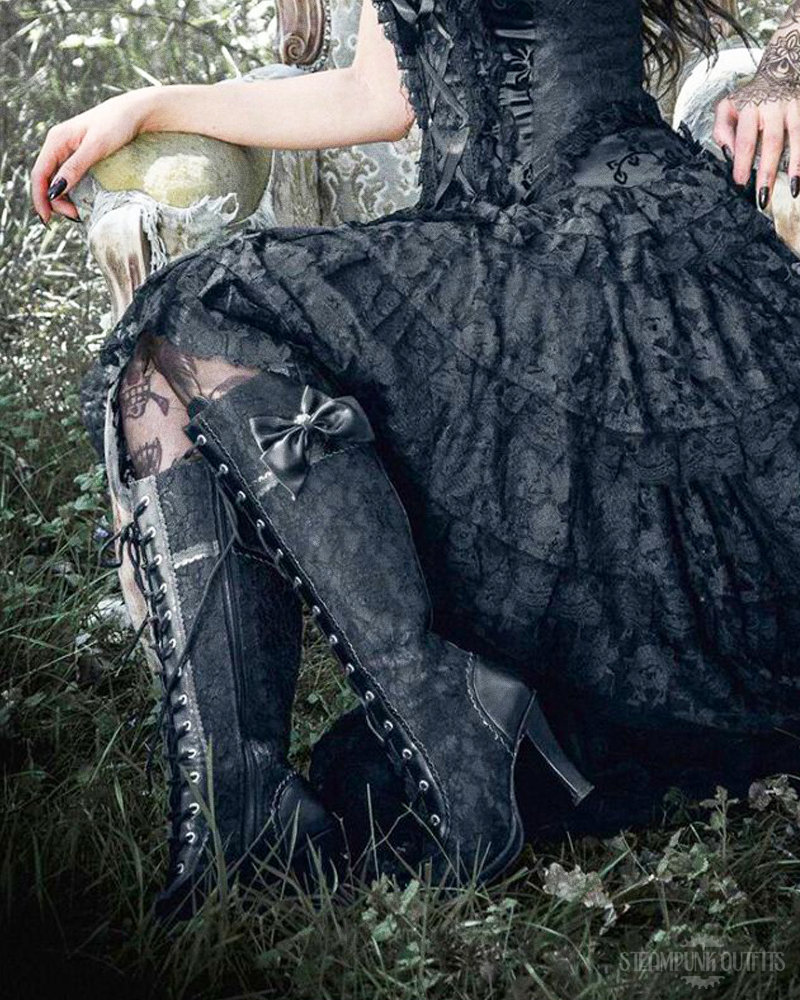
Knee High Steampunk Boots
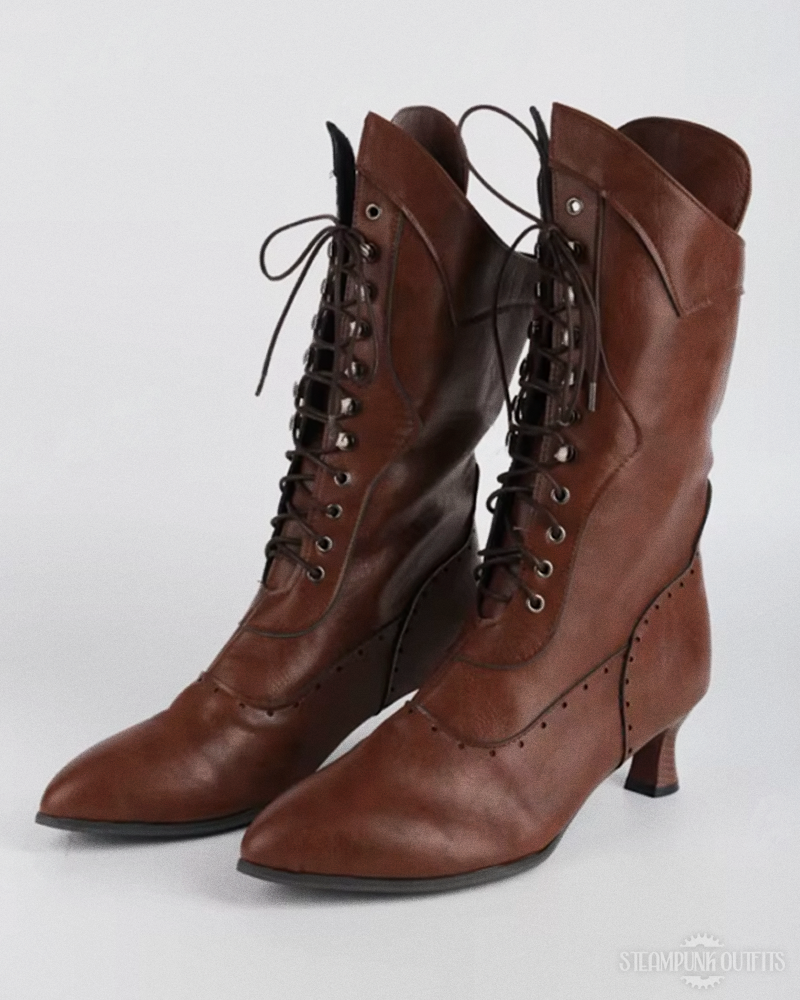
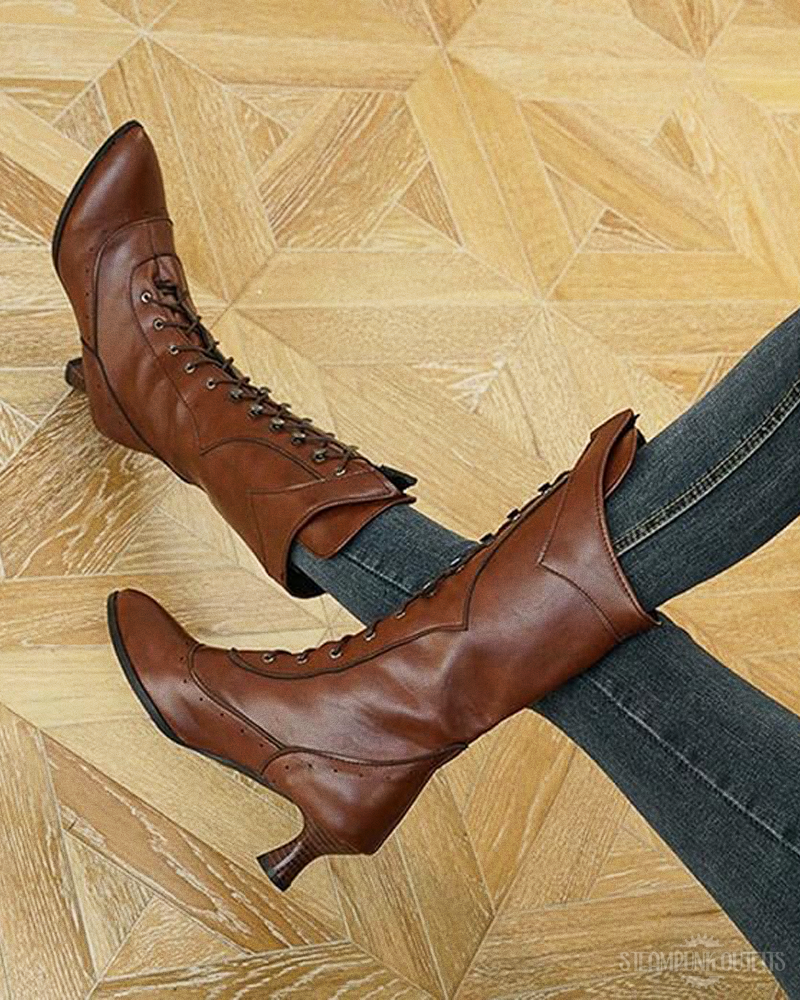
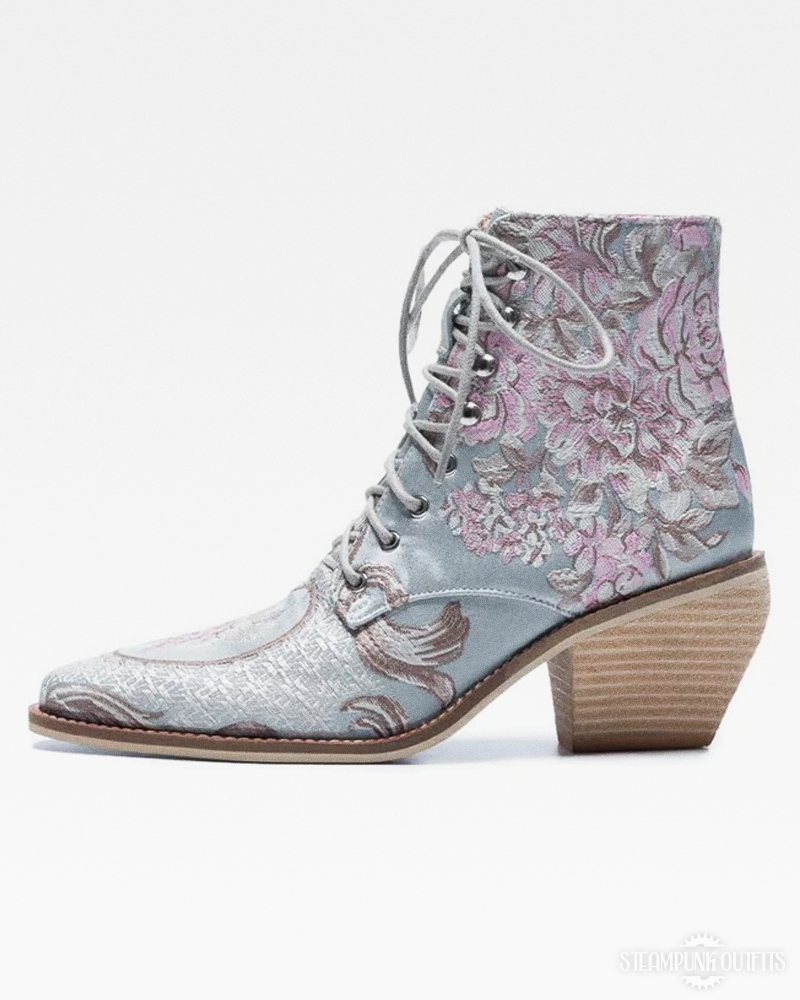
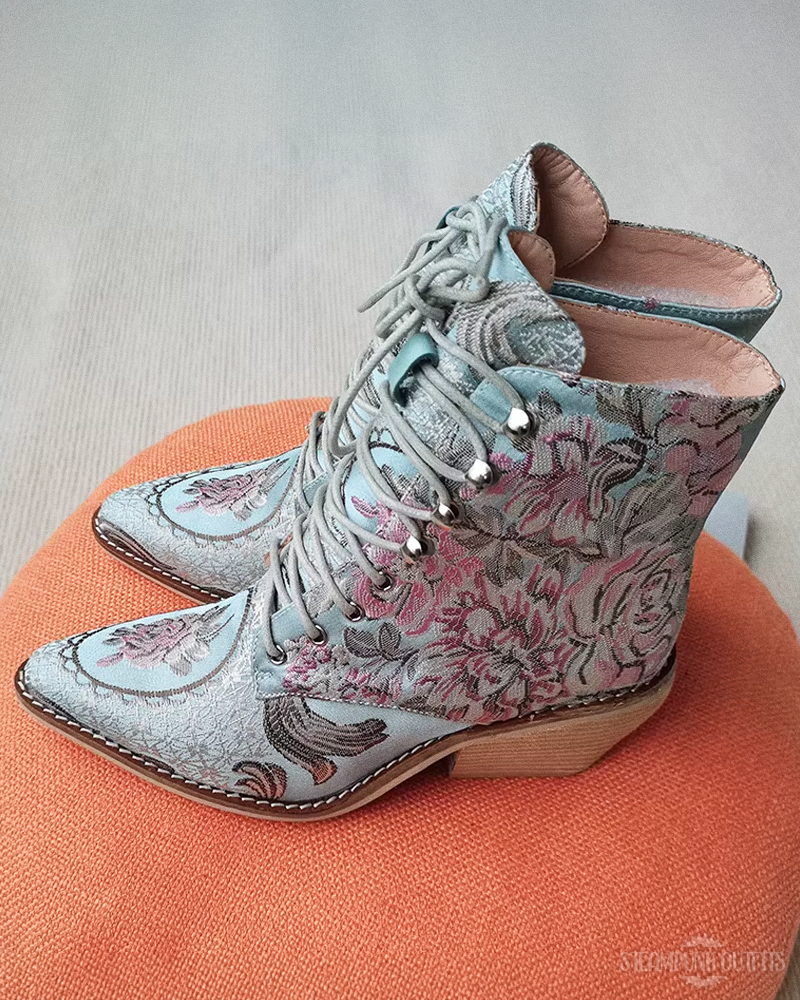
Blue Victorian Boots
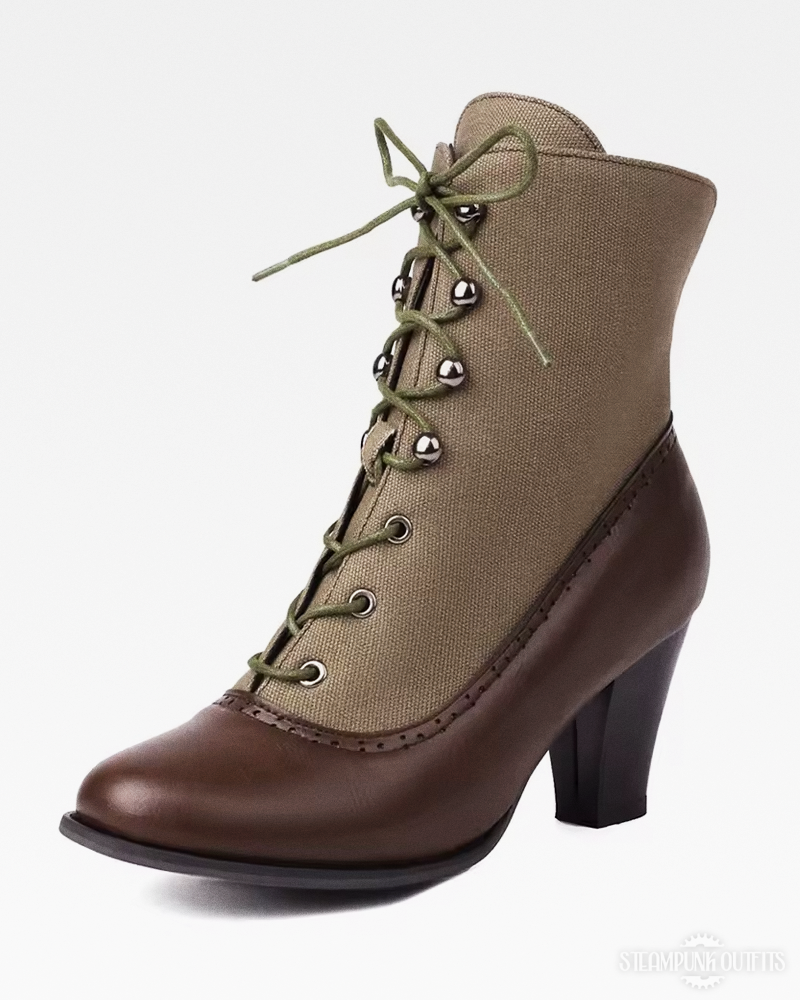
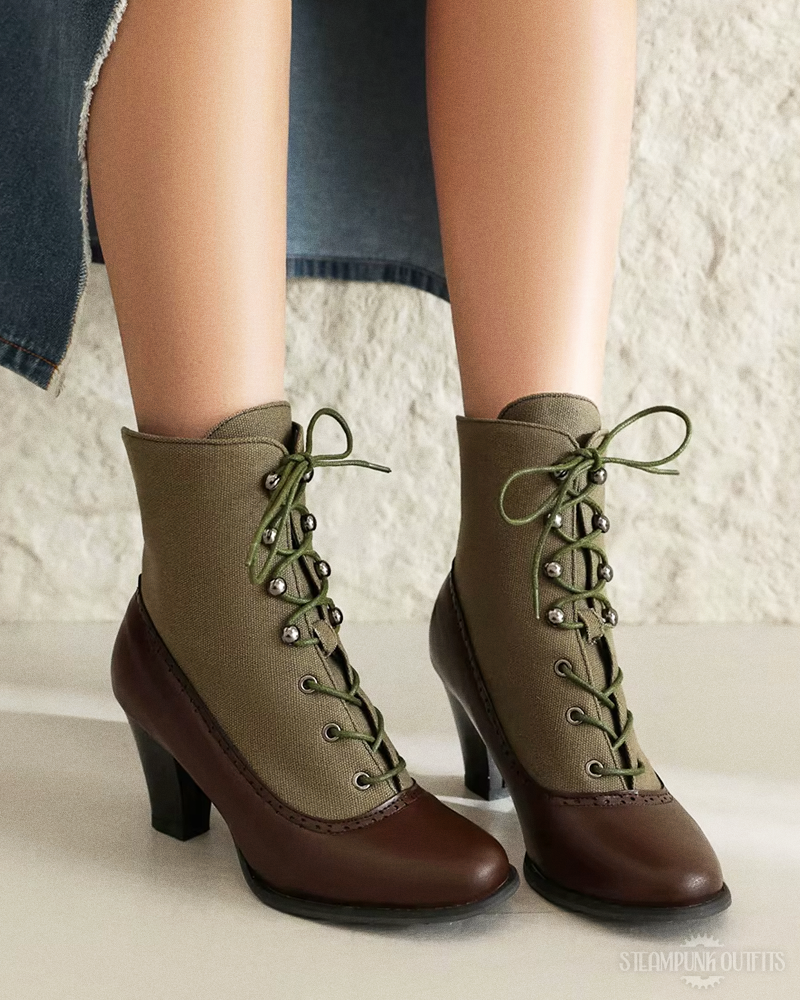
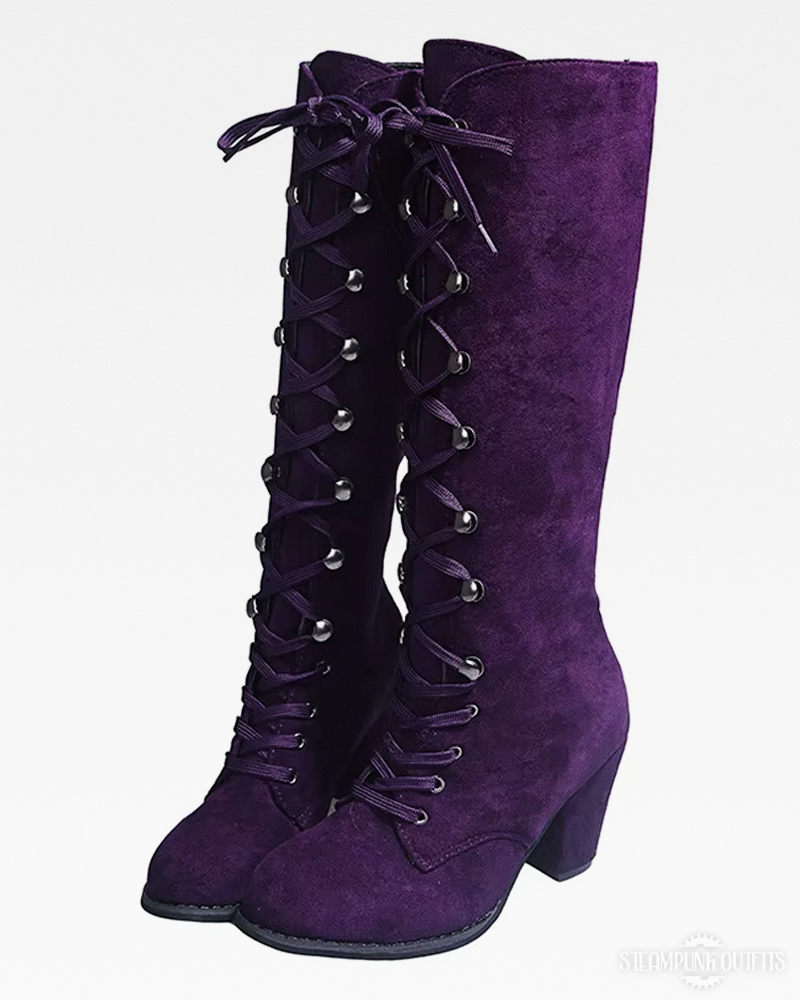
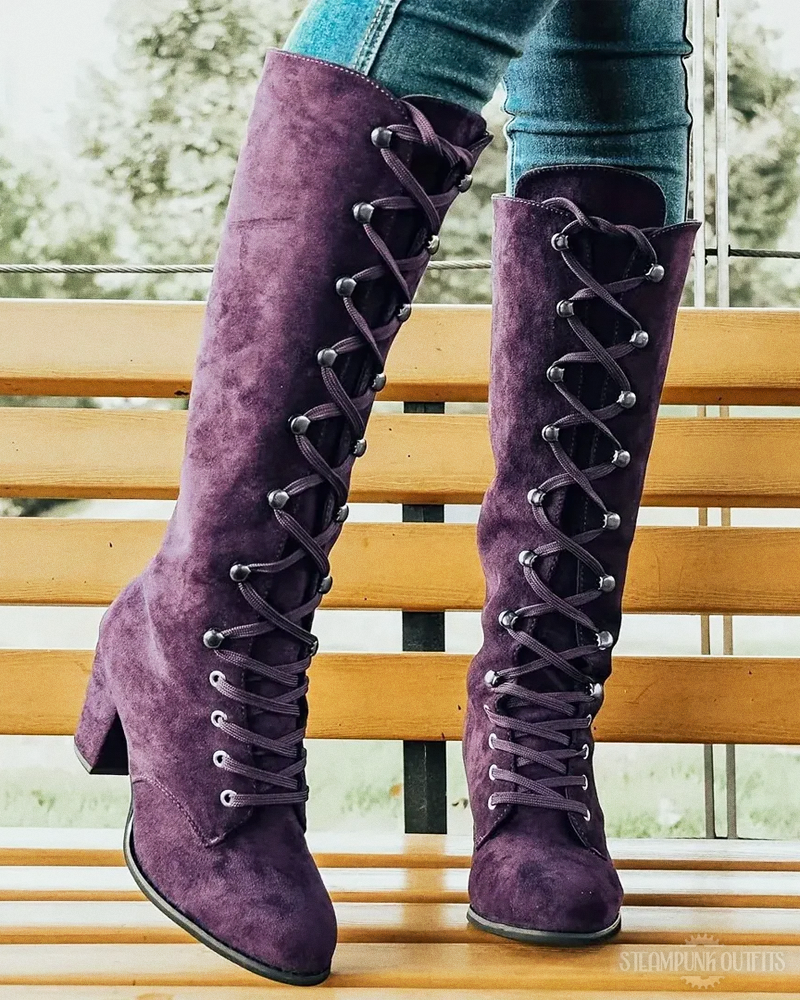
Purple Steampunk Boots
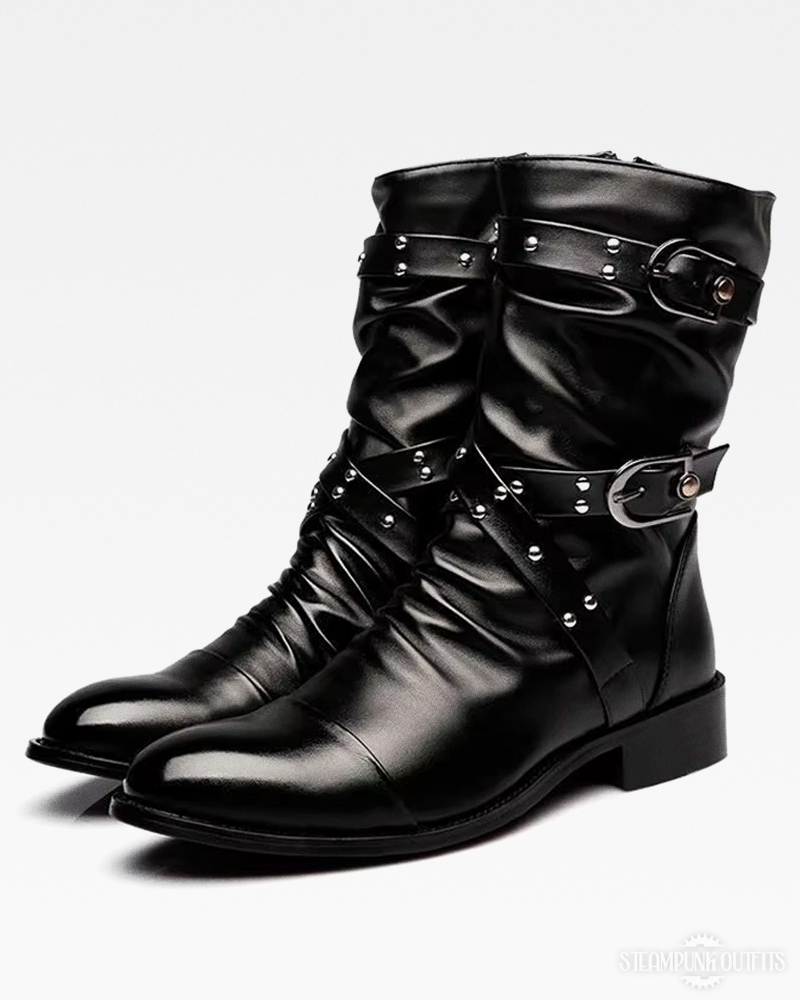
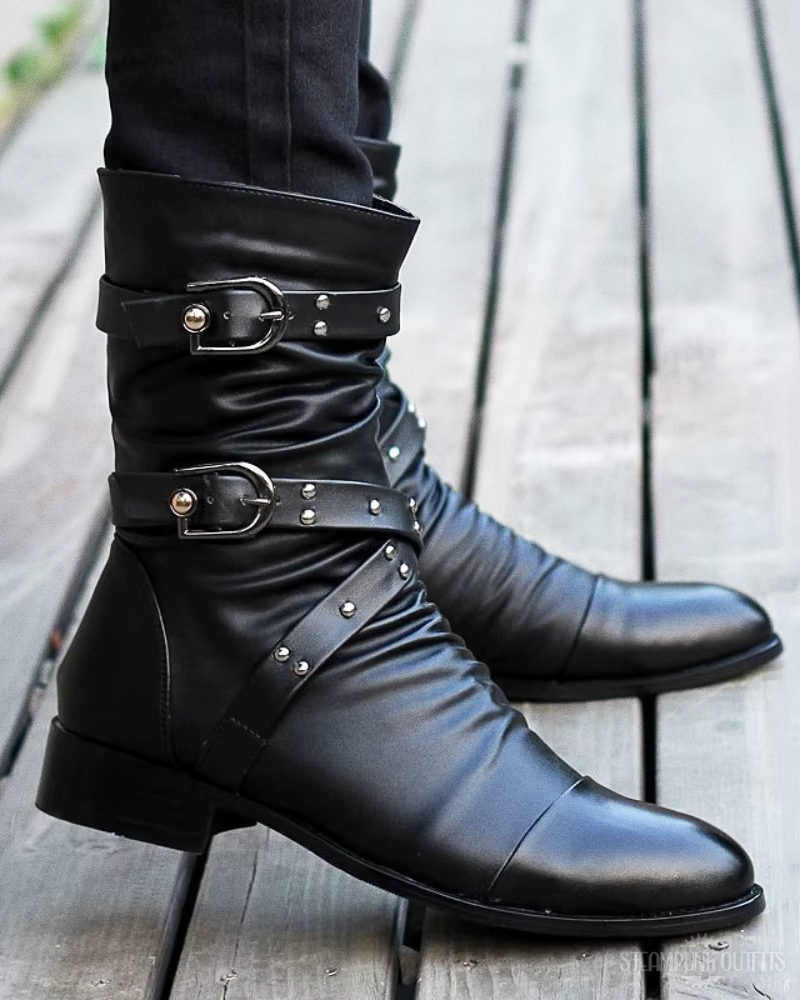
Black Steampunk Boots
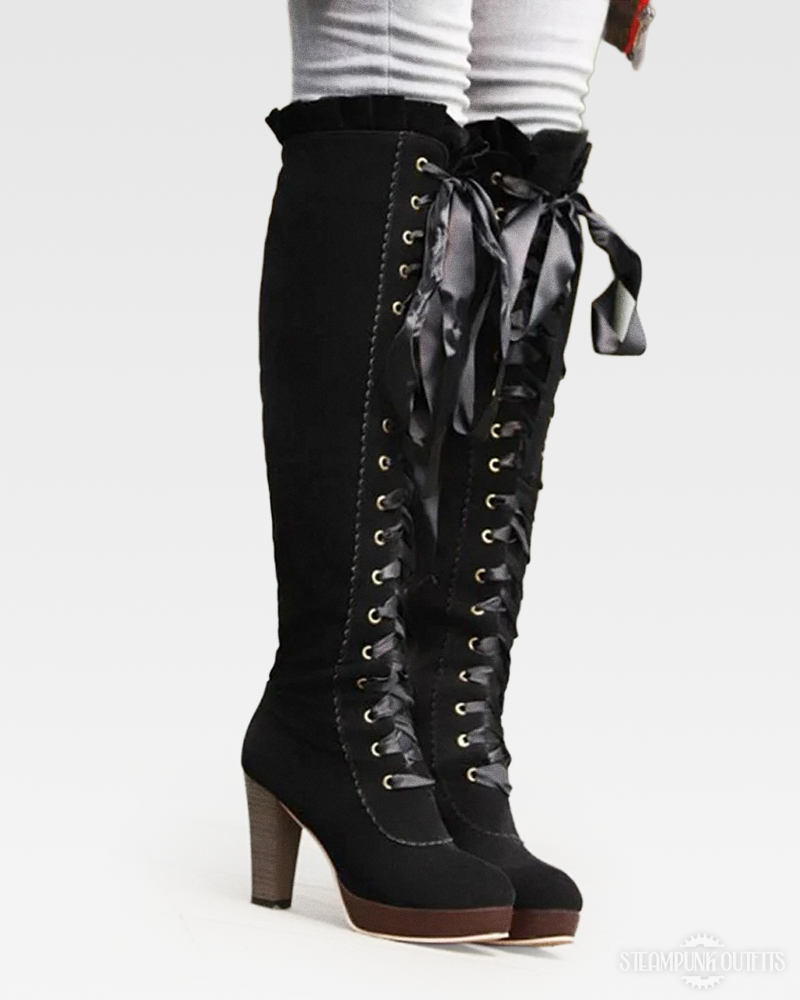
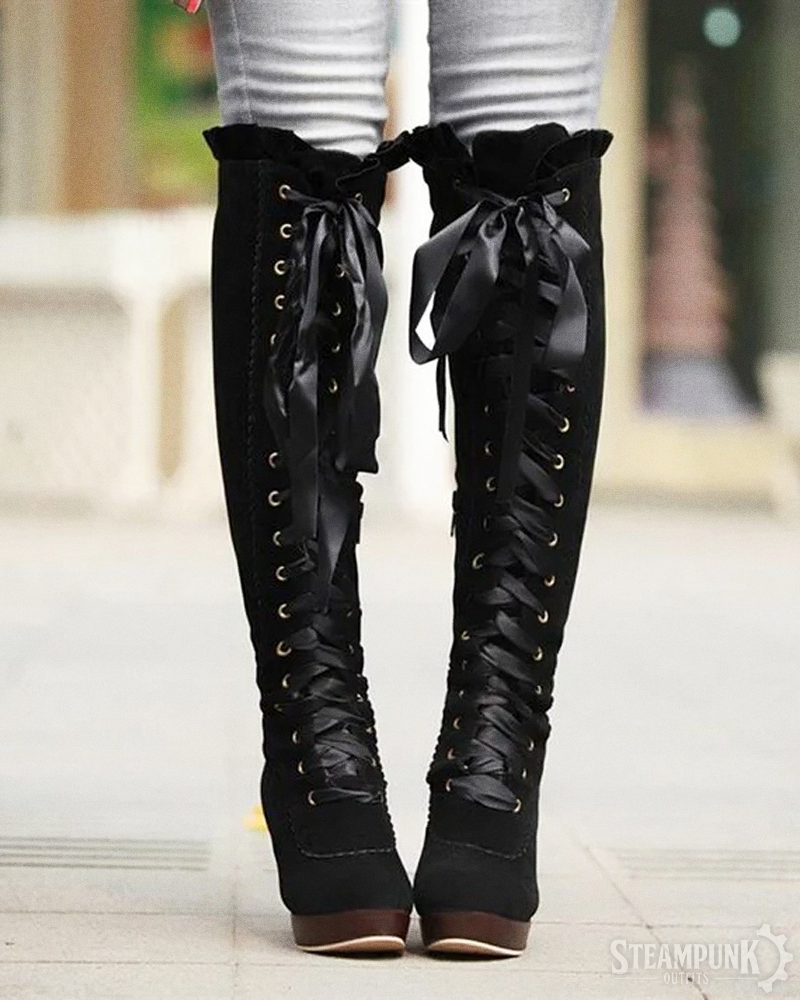
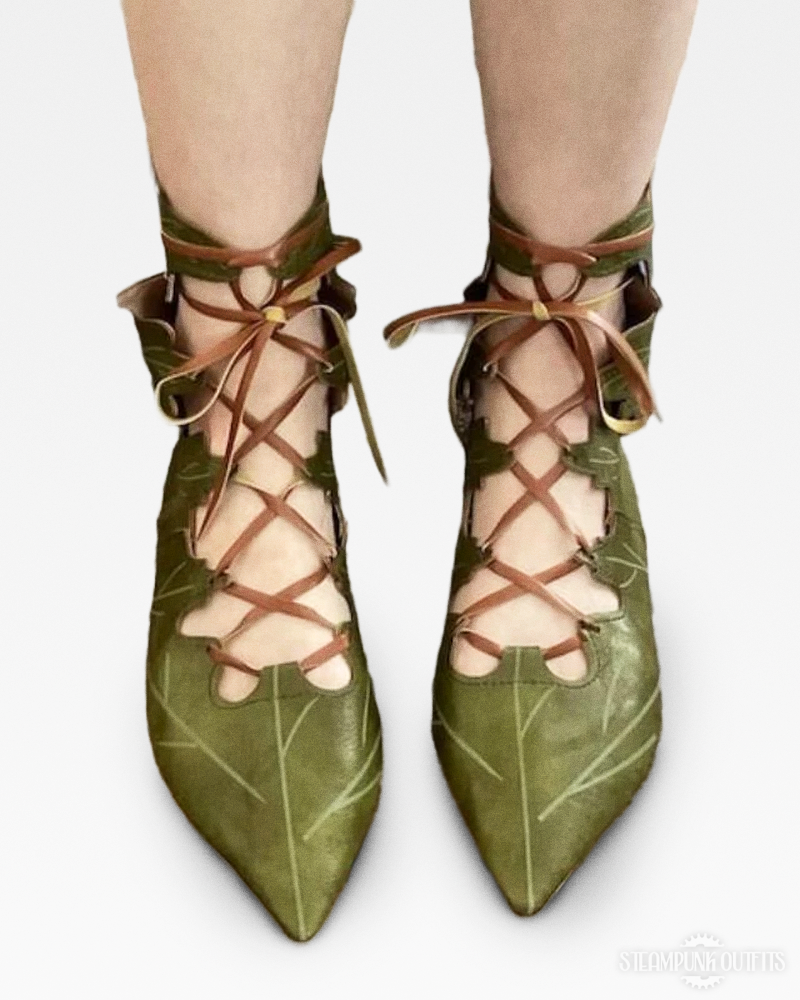
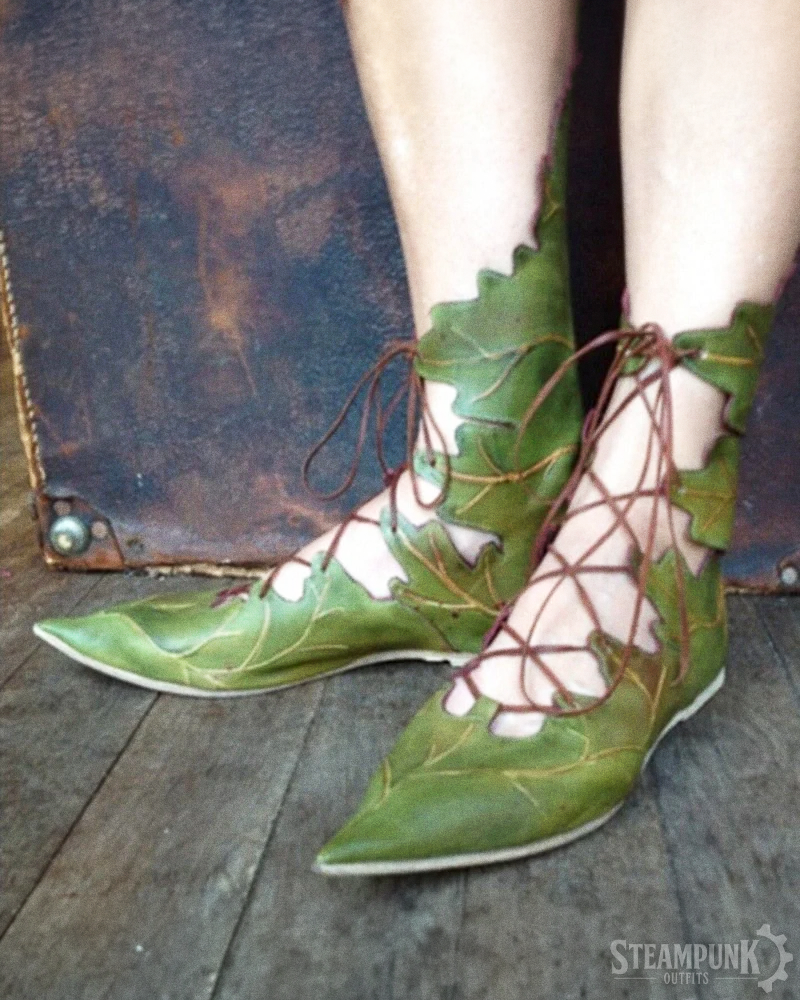
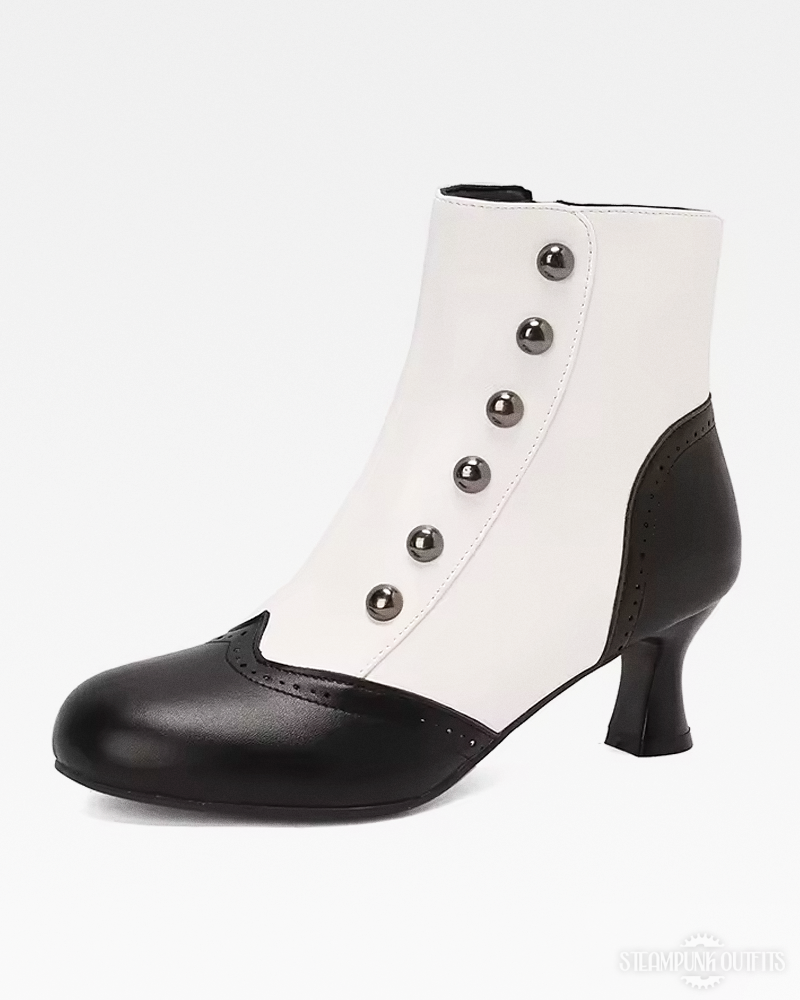
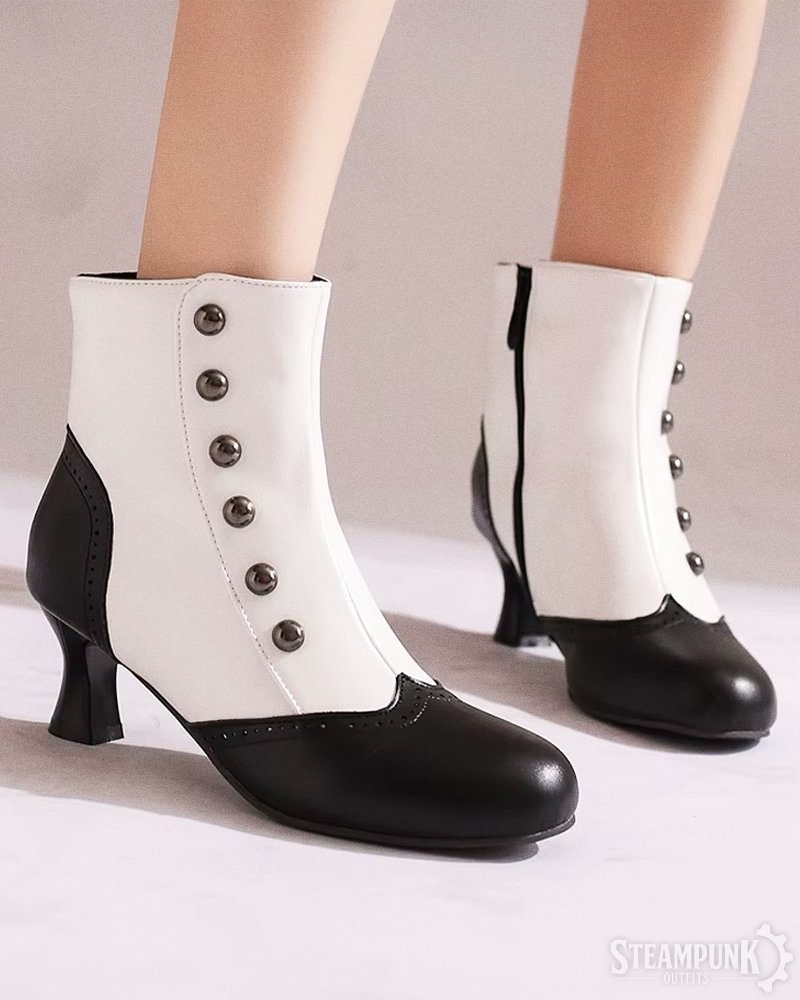
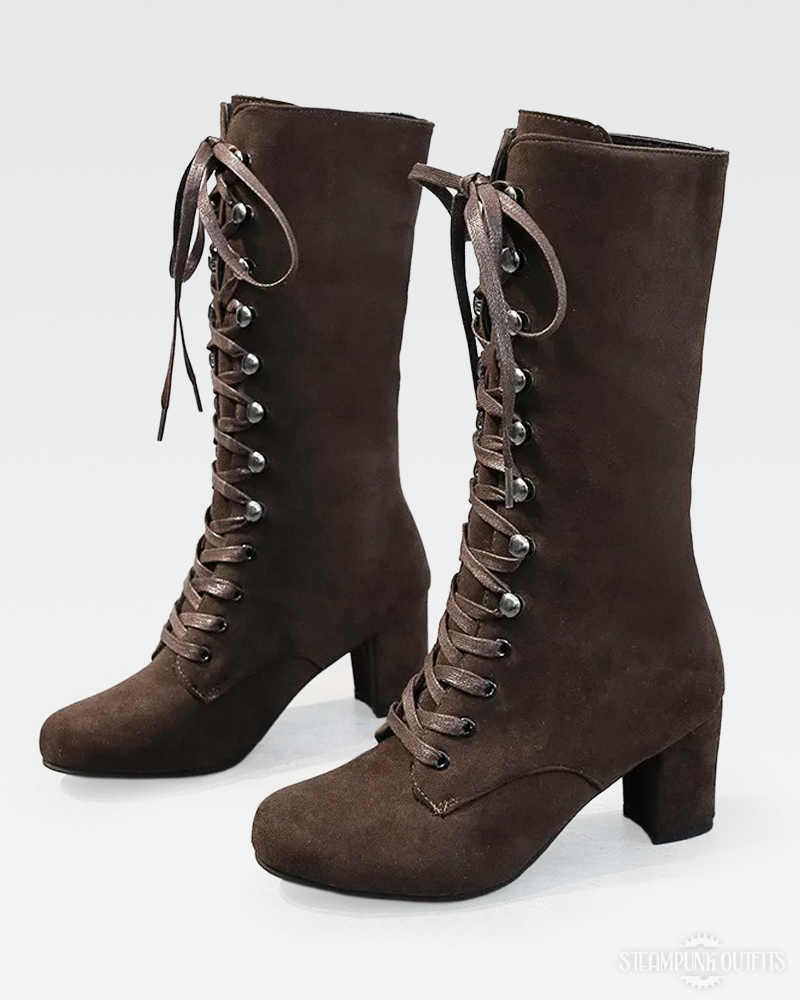
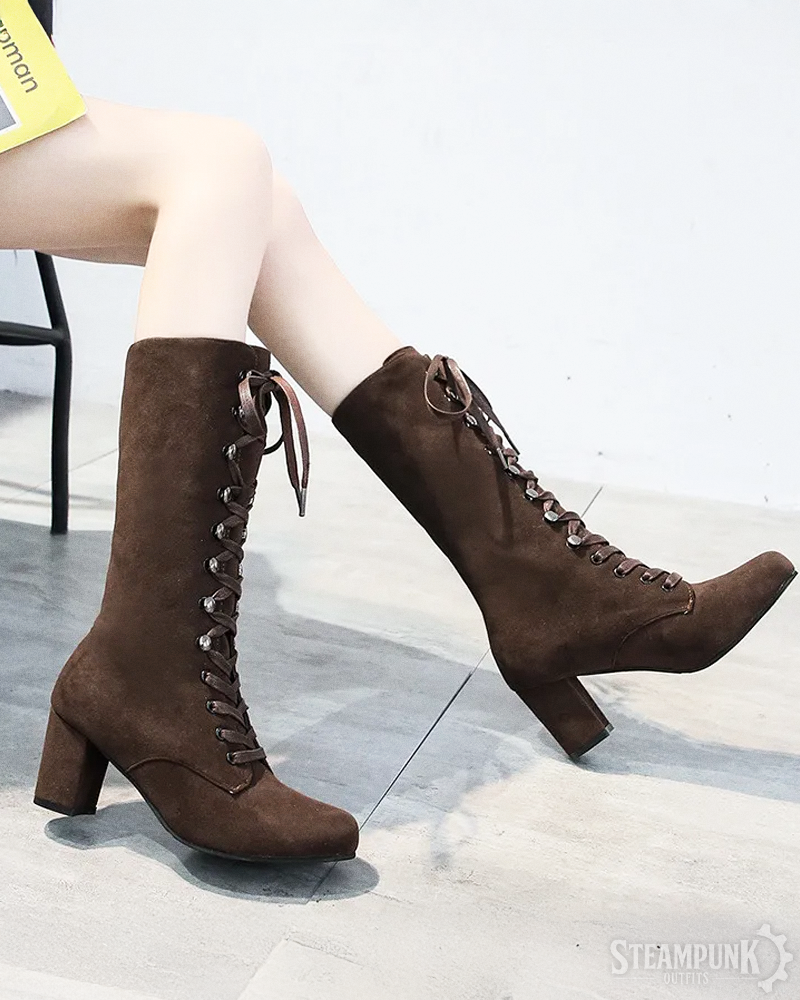
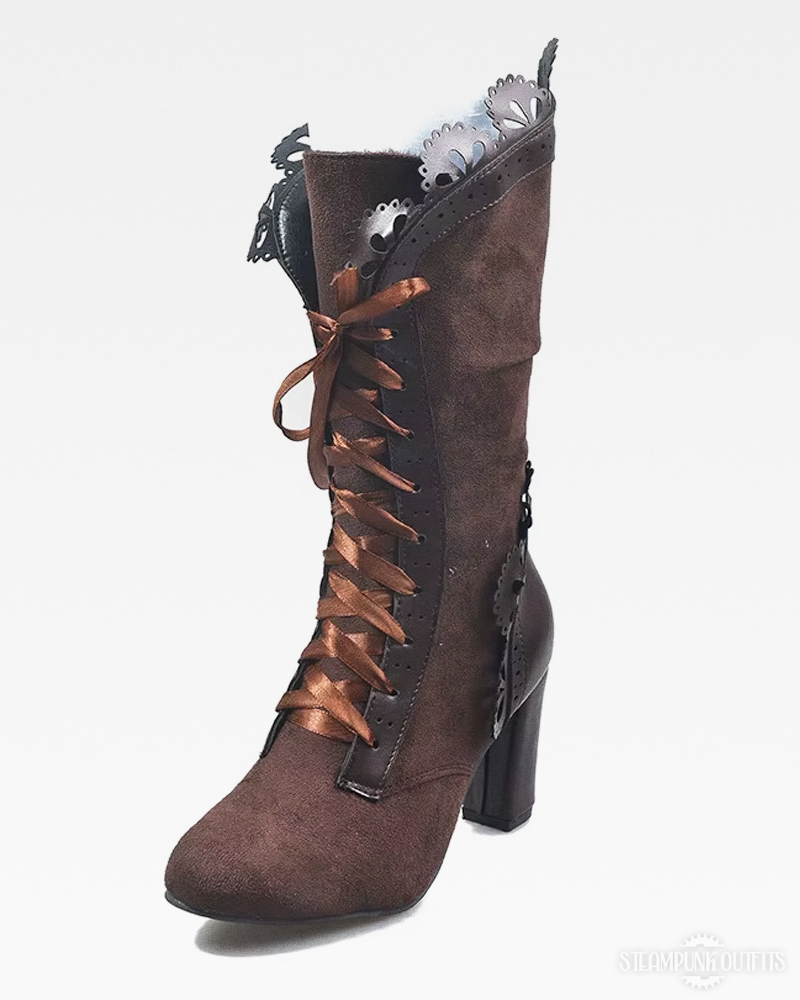
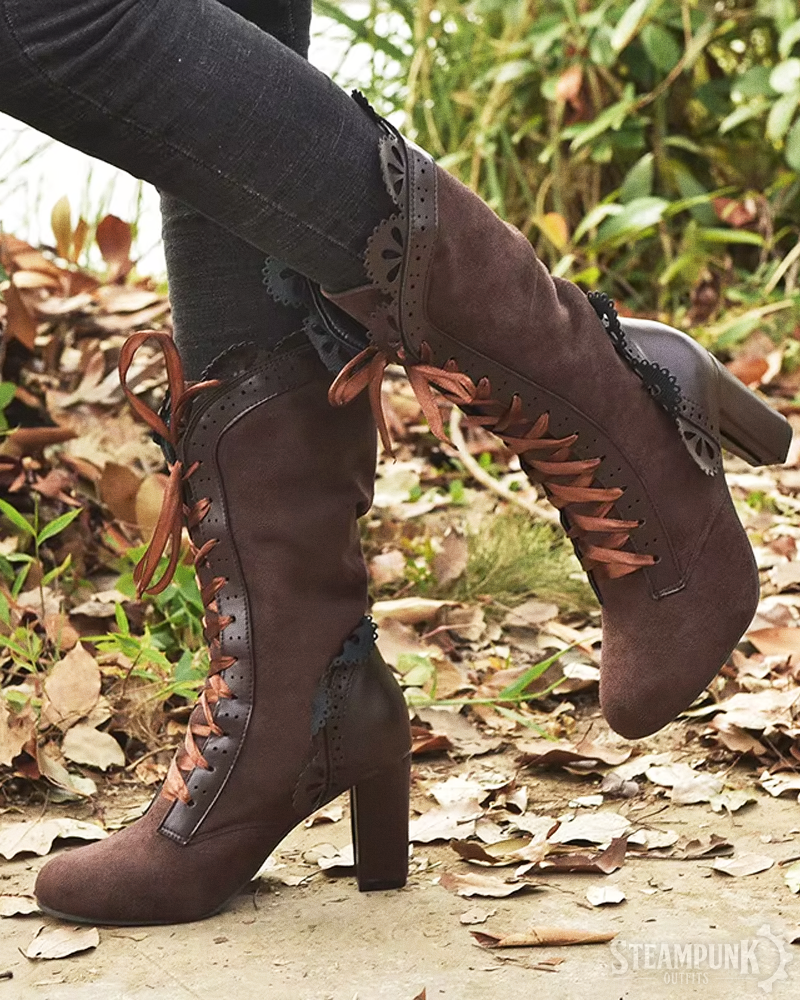
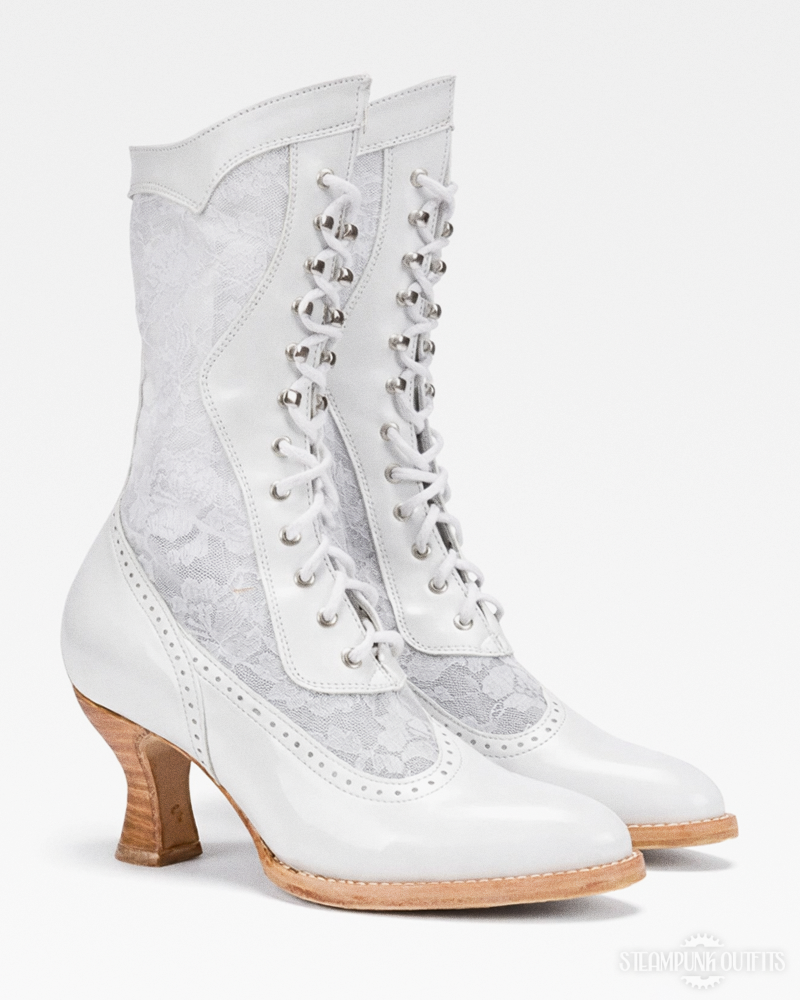
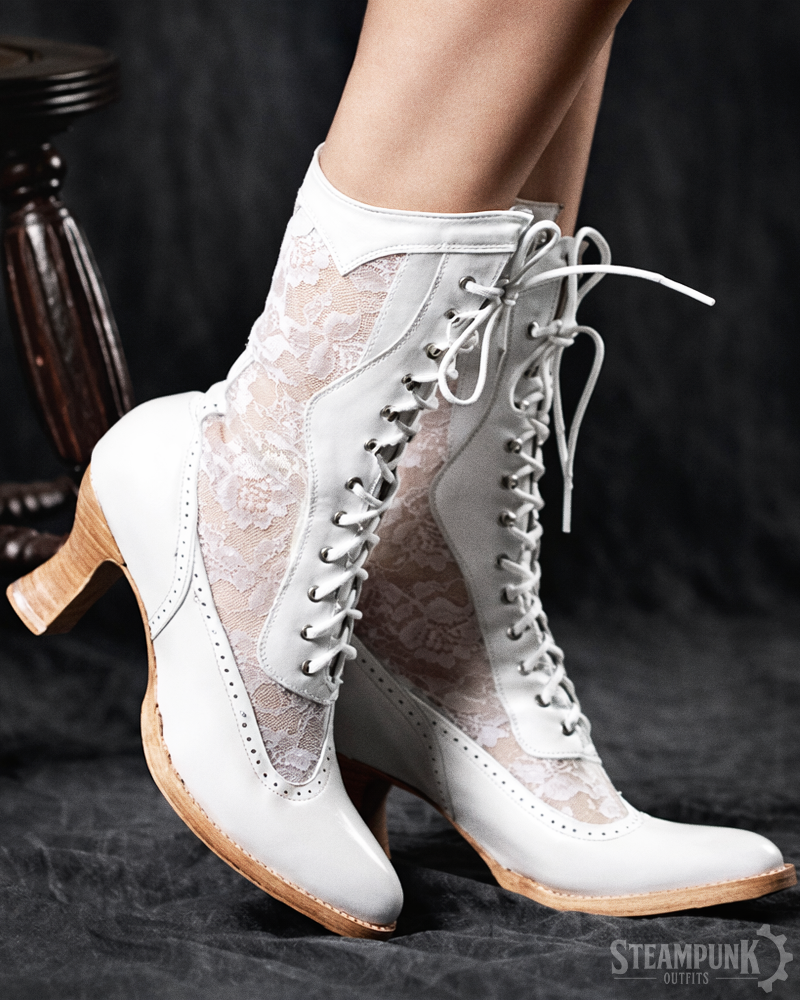
Steampunk boots are where every strong look truly begins. More than footwear, they define stance, movement, and attitude from the ground up. Rooted in Victorian utility and shaped by industrial imagination, steampunk boots combine durability with unmistakable character. They are made to be worn, lived in, and relied on. This collection is designed for those who understand that the soul of steampunk style starts with what touches the ground.
Victorian Influence on Steampunk Boots
Steampunk boots are deeply influenced by Victorian footwear, a period when boots were not only practical items but also strong indicators of social role, profession, and status. In the 19th century, boots were designed to last, to protect the foot, and to support long hours of standing or walking. Their construction favored structure, durability, and a close fit around the ankle, all elements that continue to define steampunk boots today.
Victorian boots were typically lace-up, high-ankle, and built with firm soles. They were worn by workers, soldiers, engineers, and civilians alike, with subtle variations depending on use. Steampunk fashion draws heavily from these functional designs, adopting their shapes and proportions while recontextualizing them within an alternative aesthetic.
Rather than replicating historical footwear exactly, steampunk boots reinterpret Victorian forms. The emphasis is placed on height, structure, and presence rather than historical accuracy. Boots become visual anchors, grounding the outfit and reinforcing the connection to an industrial, pre-modern world.
This Victorian influence explains why steampunk boots rarely resemble modern sneakers or minimalist footwear. They are meant to look intentional, solid, and rooted. Even in more stylized outfits, the boots reference a time when footwear had weight and purpose.
By drawing from Victorian design, steampunk boots gain credibility. They visually support the rest of the outfit and prevent it from feeling theatrical or disconnected from its historical inspiration.
Steampunk Boots for Men
Steampunk boots for men are closely aligned with Victorian and early industrial menswear. In the 19th century, men's boots were designed for endurance and stability, often worn in demanding environments. Steampunk adopts this utilitarian spirit while adapting it to steampunk costumes and alternative fashion contexts.
Men's steampunk boots are typically mid-calf or ankle height, with lace-up fronts or structured closures. These designs reinforce the vertical lines created by pants and coats, helping maintain a balanced silhouette. The boots visually extend the leg and provide a solid base for layered outfits.
Functionality remains a key aspect. Even when worn for cosplay or themed events, men's steampunk boots are expected to feel supportive and wearable. A good pair allows long periods of standing or walking without sacrificing comfort.
Stylistically, men's steampunk boots tend to favor clean, structured shapes. Excessive ornamentation is rare, as the boots are meant to complement rather than dominate the outfit. Their strength lies in restraint and consistency.
For men, steampunk boots serve as stabilizing elements. They ground the look, support the posture, and reinforce the historical tone established by jackets, vests, and pants.
Steampunk Boots for Women
Steampunk boots for women reinterpret Victorian footwear with a focus on balance, structure, and presence. Historically, women's boots were designed to support long skirts and layered dresses, often featuring lace-up fronts and fitted ankles. Steampunk adapts these features while allowing greater freedom in styling.
Women's steampunk boots range from ankle boots to knee-high designs. Taller boots create drama and elongate the silhouette, while shorter boots offer versatility and ease of movement. Both options remain grounded in Victorian proportions.
Heel height varies depending on the desired effect. Some women's steampunk boots feature modest heels that add height without compromising stability. Others remain flat, emphasizing practicality and strength. In both cases, the heel is integrated into the structure rather than treated as a decorative element.
Women's steampunk boots often play a more visible role in the outfit. When worn with skirts or dresses, they contrast with flowing fabrics and add visual weight to the lower body. With steampunk pants, they reinforce structure and continuity.
What defines steampunk boots for women is their ability to combine strength and presence. They anchor the outfit while allowing expressive styling, making them essential pieces in both elaborate and restrained looks.
How to Choose the Right Steampunk Boots
Choosing the right steampunk boots starts with understanding how they will be worn. Boots intended for cosplay or festivals may prioritize visual impact, while those worn for extended events require greater attention to comfort and support.
Height is one of the first considerations. Ankle boots are easier to pair with pants and allow more flexibility. Mid-calf and knee-high boots create stronger visual presence but require careful balance with the rest of the outfit.
Fit is critical. Steampunk boots should feel secure around the foot and ankle without pinching or restricting movement. Loose boots can disrupt posture and undermine the structured look that steampunk fashion relies on.
Sole thickness also matters. A solid sole adds weight and stability, reinforcing the industrial influence. Thin or overly flexible soles can make the boots feel out of place within the aesthetic.
The right steampunk boots are those that integrate naturally into the outfit. They should feel like a deliberate choice rather than an afterthought, supporting both the silhouette and the overall tone.
Materials and Colors
Materials play an important role in defining steampunk boots. The aesthetic favors sturdy, durable materials that visually communicate strength and longevity. Smooth finishes are preferred over lightweight or sporty textures.
Leather and leather-like materials are common choices because they align with Victorian footwear traditions. These materials hold shape well and contribute to the structured appearance that steampunk boots require.
Color choices tend to remain restrained. Black, brown, dark gray, and deep neutral tones dominate steampunk footwear. These colors allow the boots to pair easily with a wide range of outfits without drawing unnecessary attention.
Contrast is achieved through shape and construction rather than bright colors. Subtle differences in tone, finish, or paneling add depth while maintaining cohesion.
The combination of strong materials and controlled colors ensures that steampunk boots remain versatile. They support the outfit visually without overpowering it.
How to Style Steampunk Boots
Styling steampunk boots effectively begins with recognizing their role as the foundation of the outfit. Boots are not accessories in steampunk fashion; they establish weight, posture, and direction.
With pants, boots should create a clean transition from leg to foot. Pants may be tucked in or fall just above the boot, depending on the desired effect. The goal is continuity rather than interruption.
With skirts or dresses, boots provide contrast. Their structure balances flowing fabrics and prevents the outfit from appearing too light or theatrical. Taller boots tend to work best with longer skirts, while ankle boots suit shorter cuts.
Steampunk boots also interact closely with steampunk coats and jackets. Long coats benefit from sturdy boots that match their visual weight, while shorter jackets allow more flexibility in boot height.
Accessories should remain secondary to the boots. When styled correctly, steampunk boots ground the entire outfit, making other elements feel intentional and cohesive rather than decorative.