
Steampunk Clock
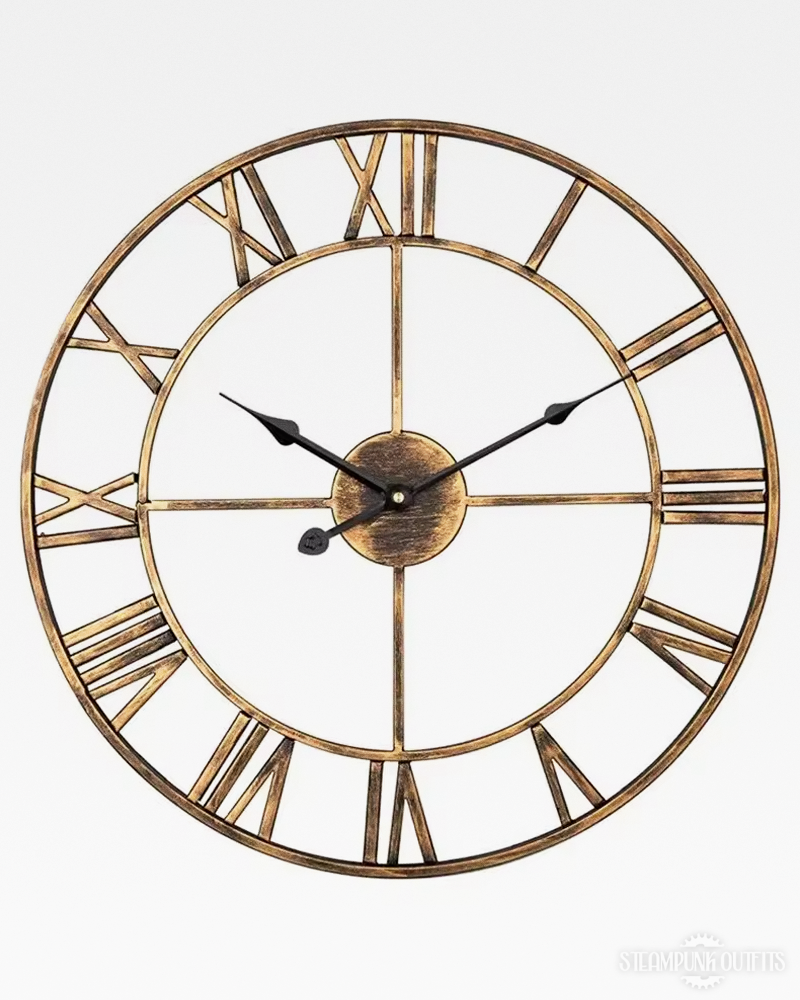

Steampunk Metal Roman Numeral Clock
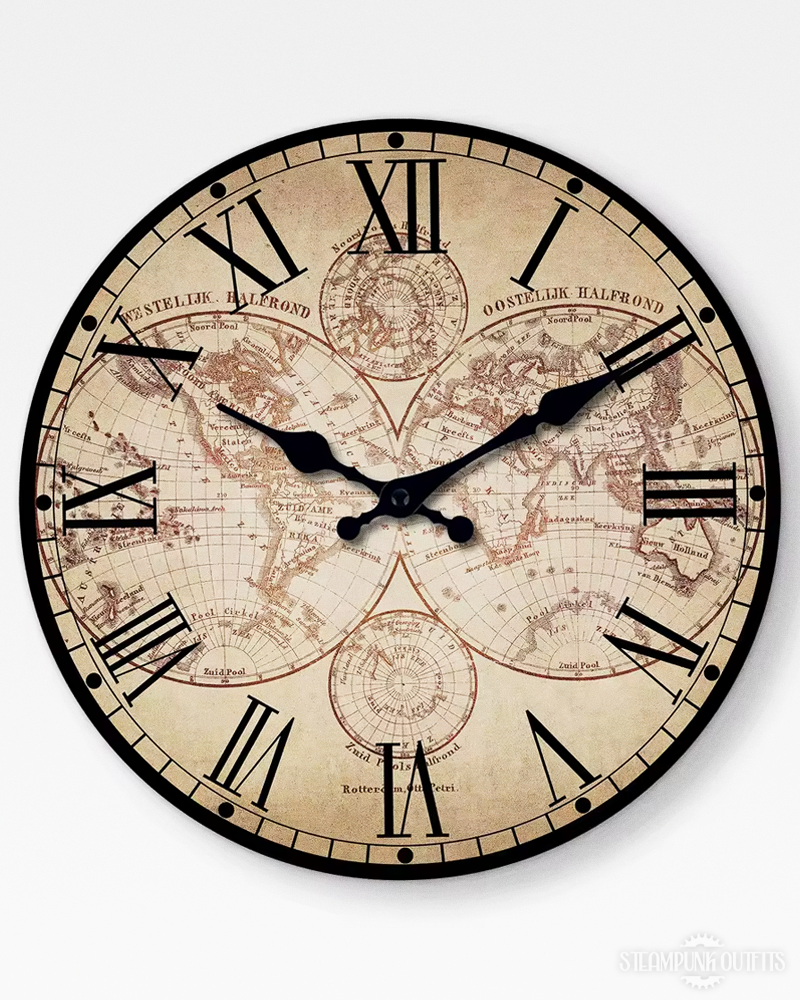

Antique Map Wall Clock
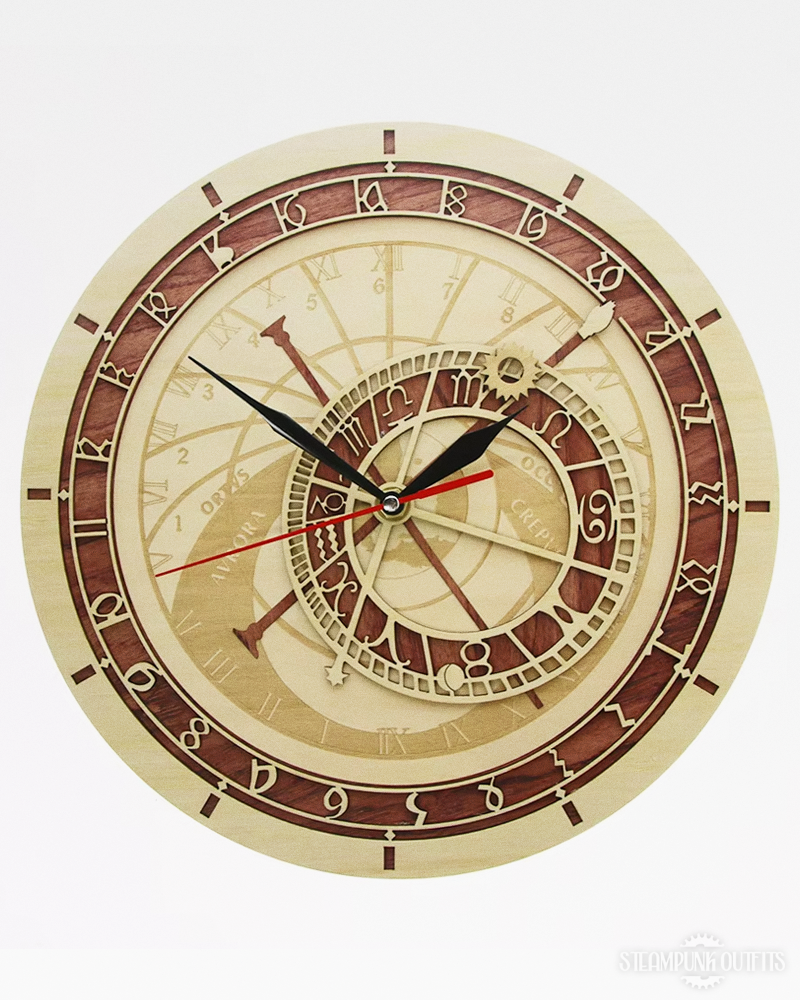

Astronomical Steampunk Wall Clock
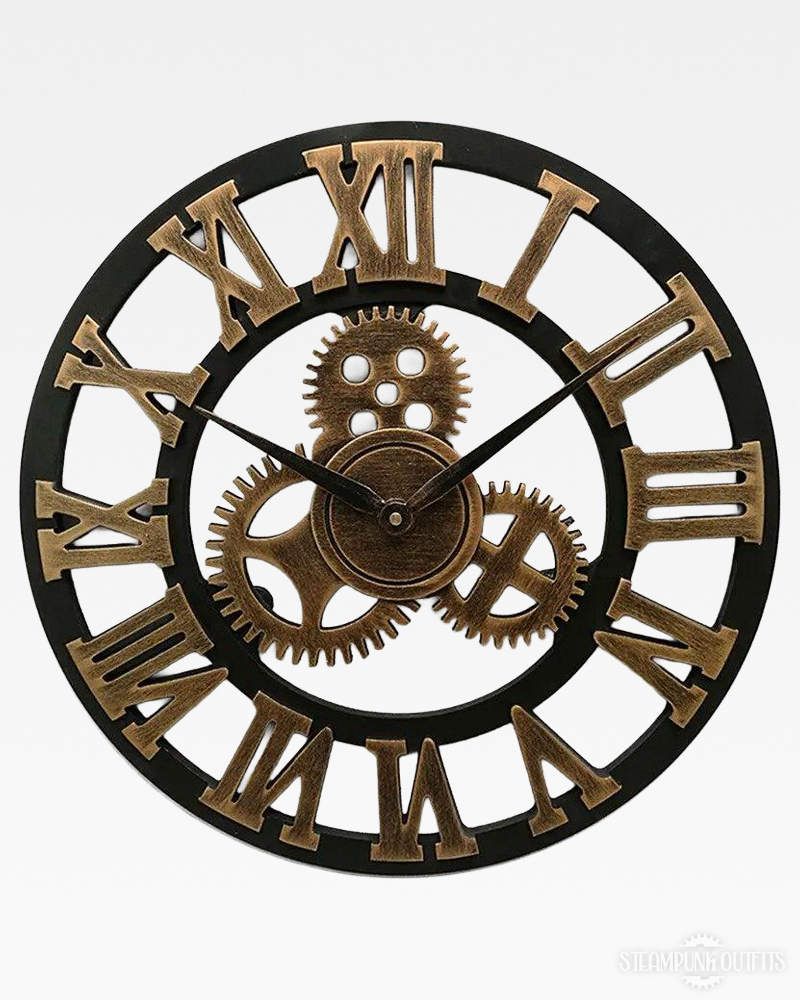

Industrial Wall Clock
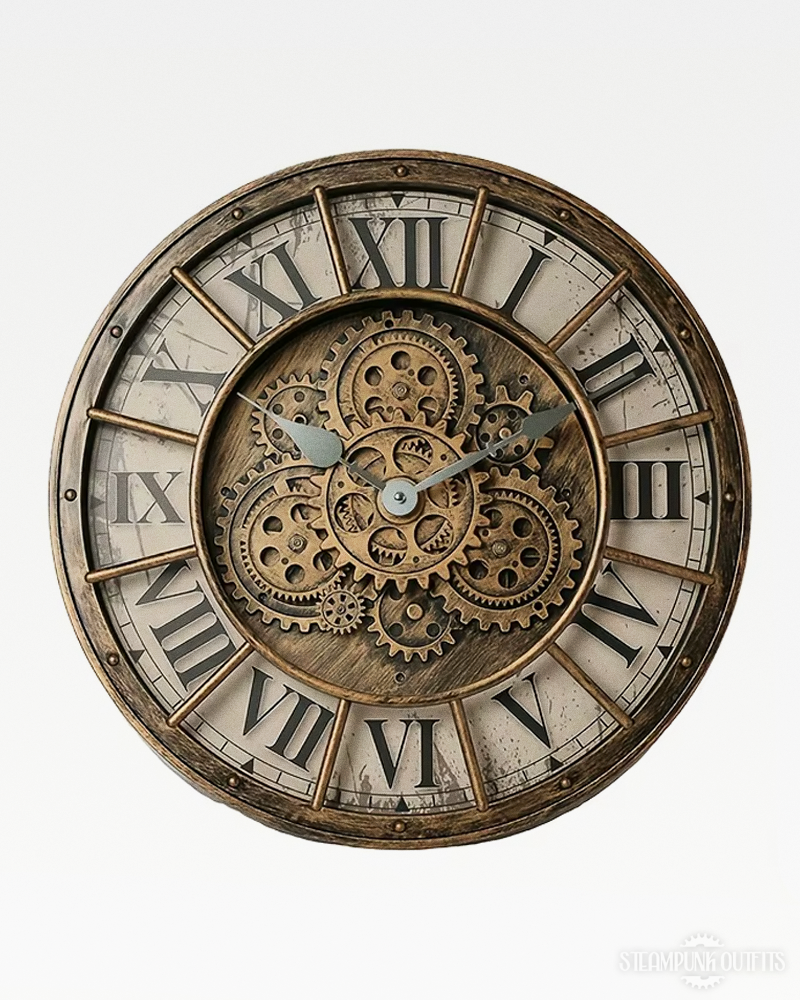
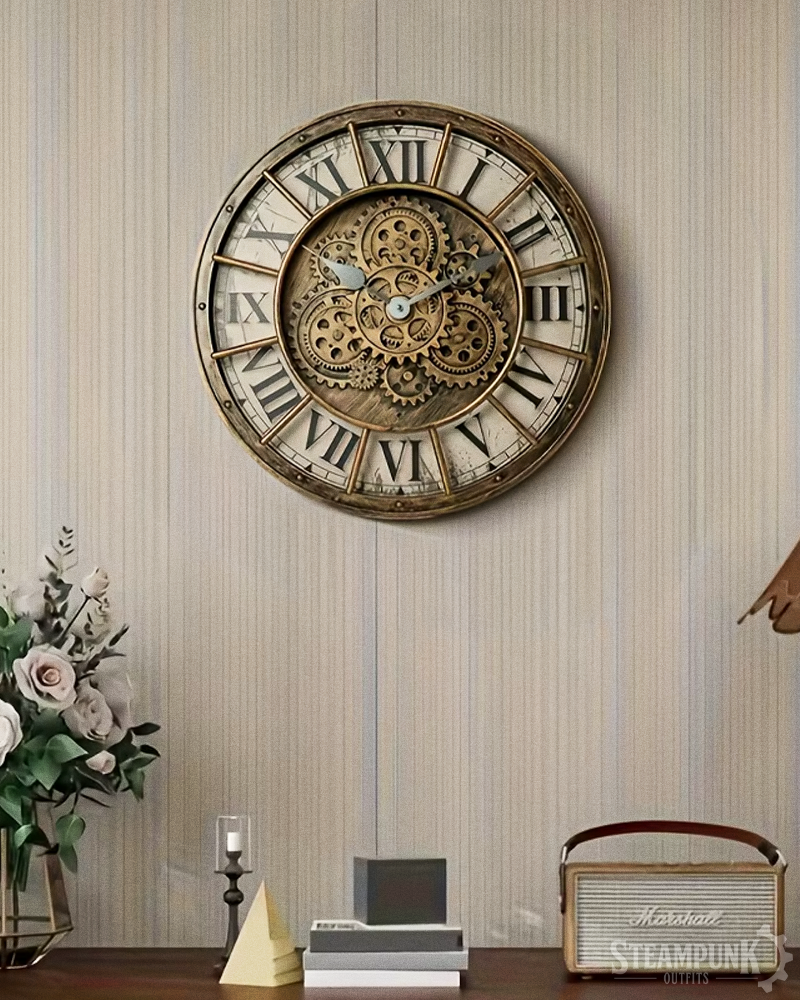
Steampunk Wall Clock
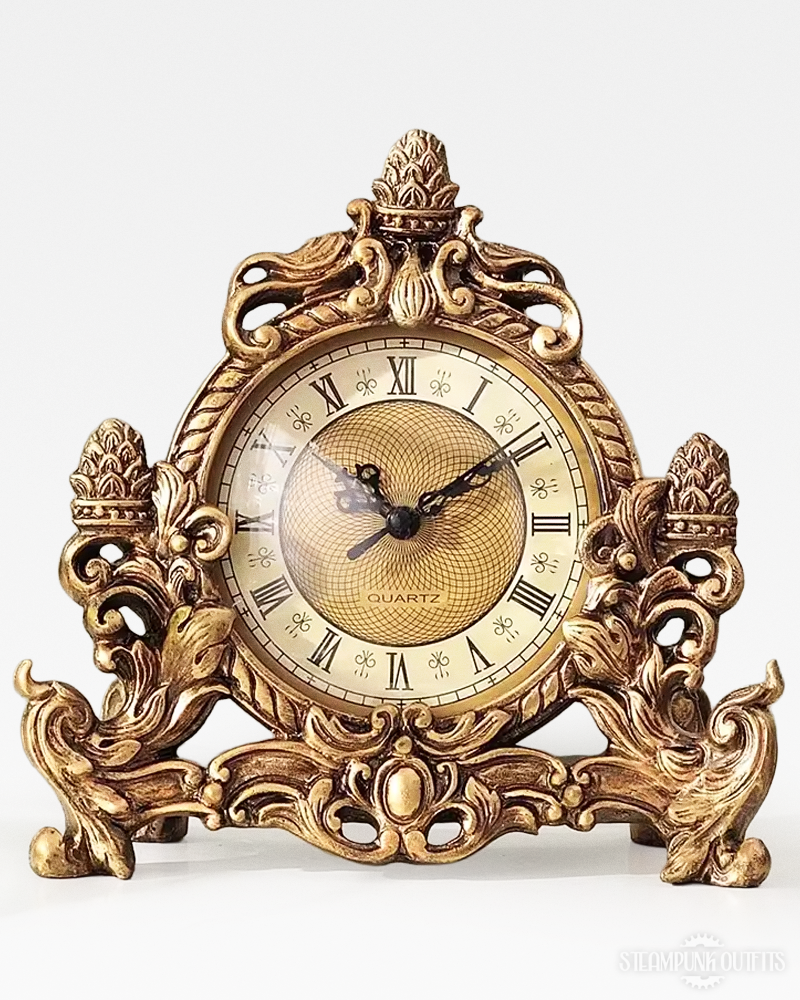
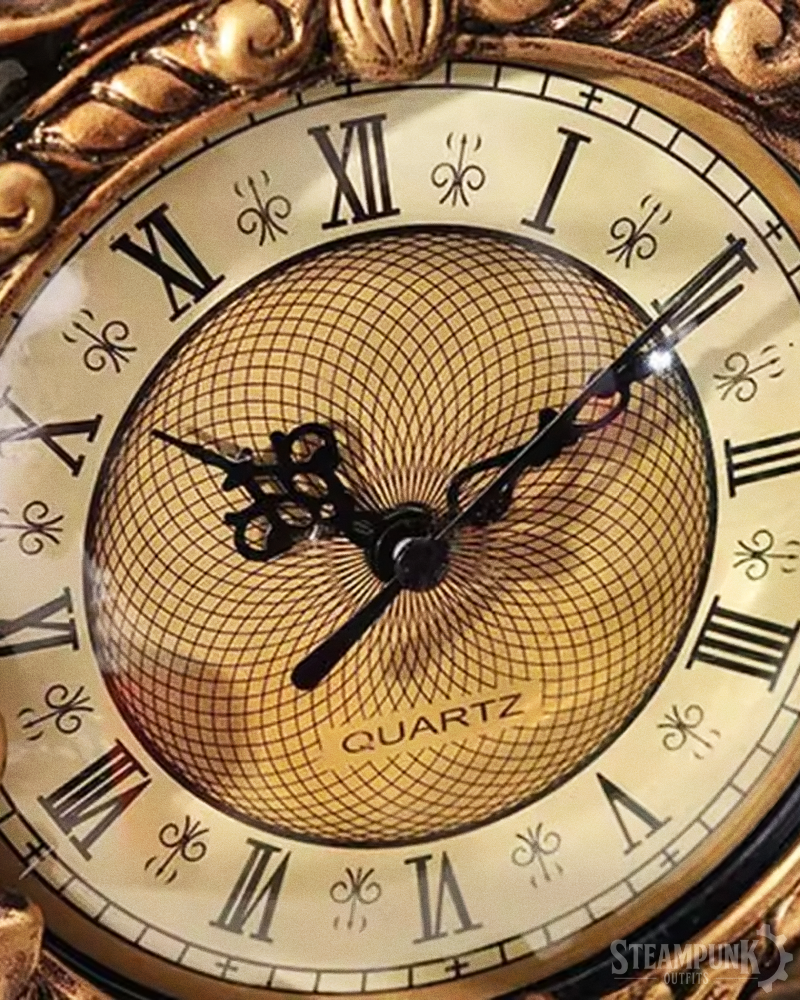
Victorian Clock
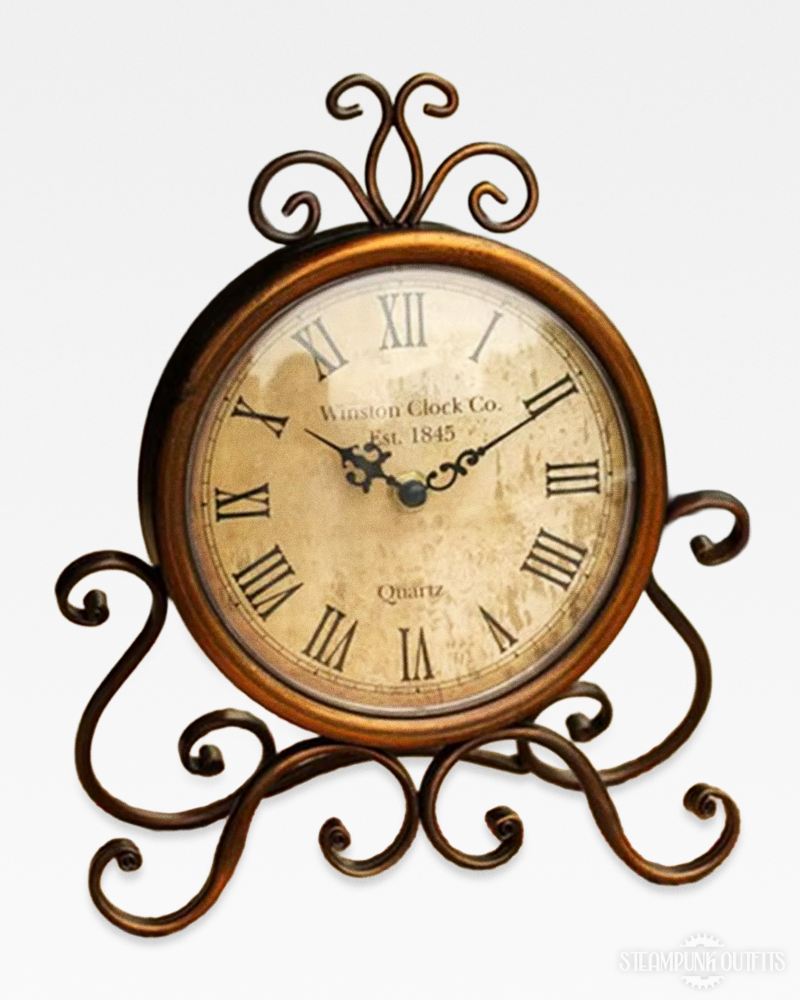
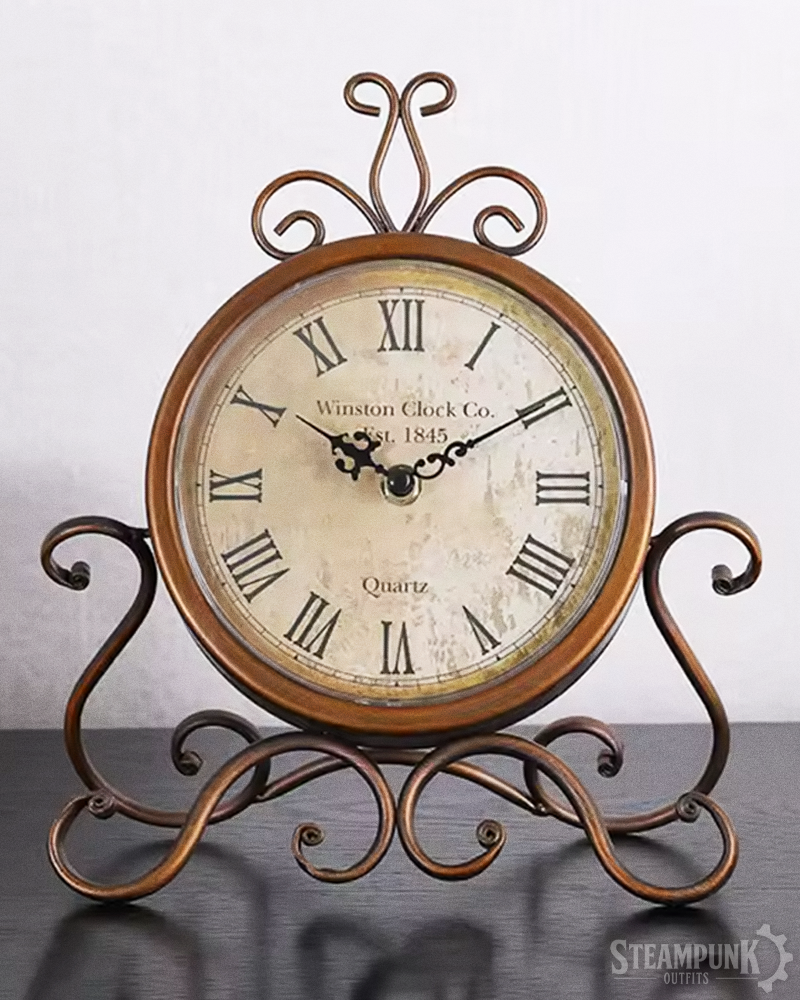
Vintage Table Clock
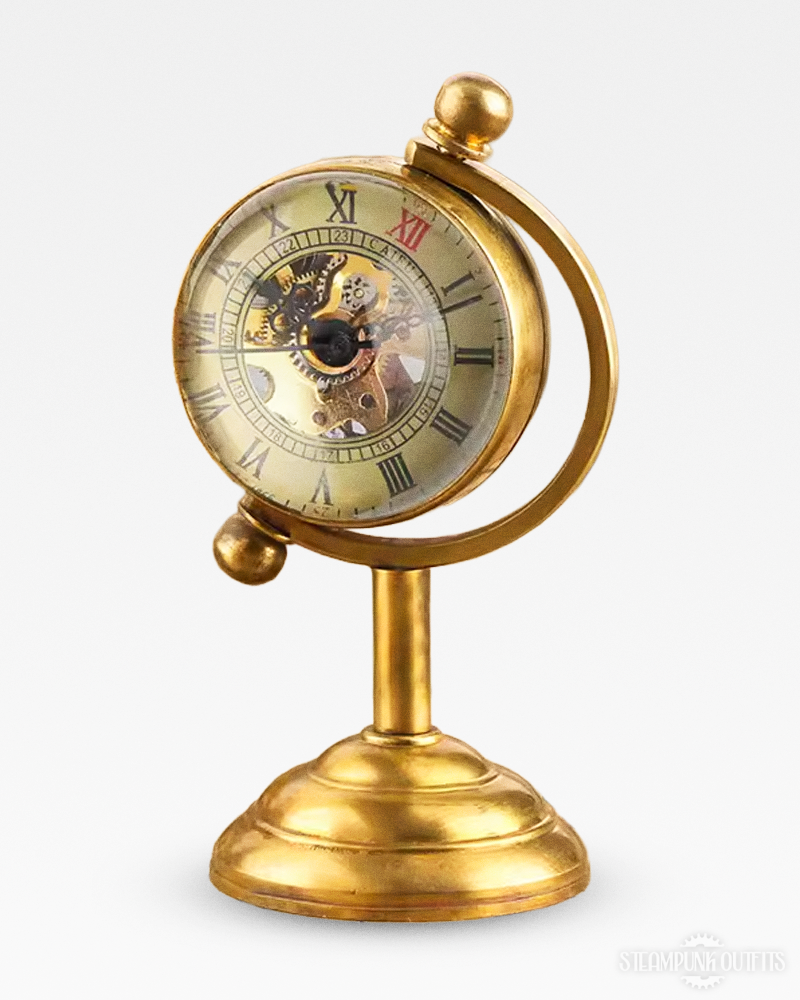
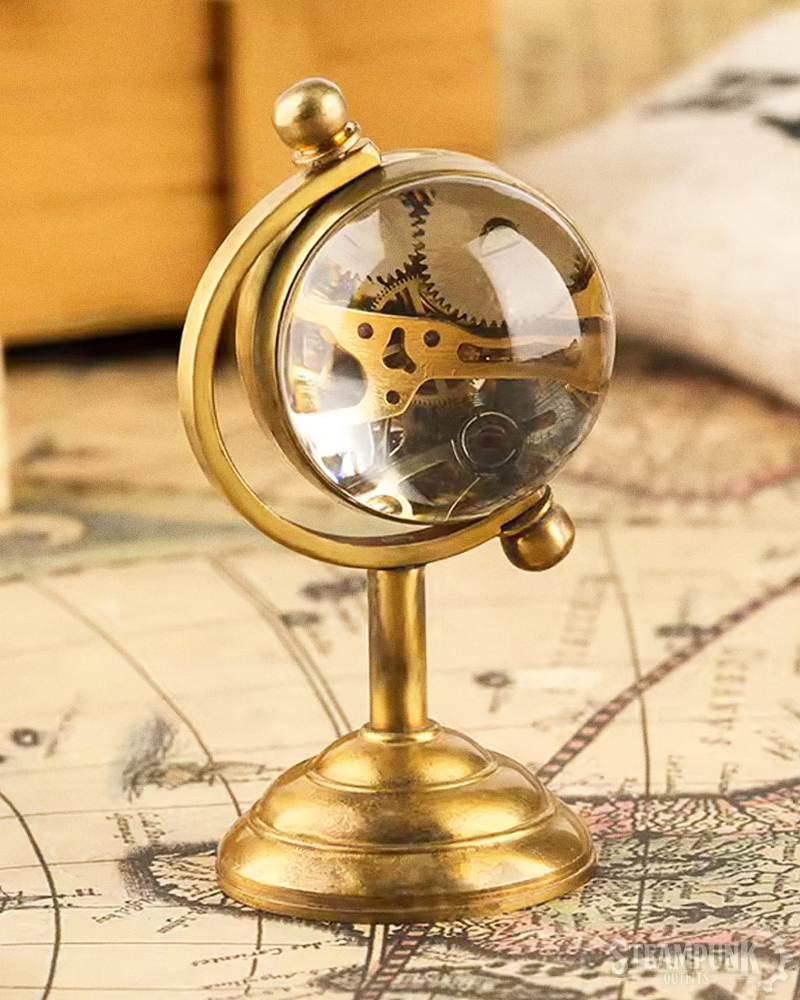
Vintage Steampunk Globe Clock
A steampunk clock is more than a timekeeping device, it is a visible mechanism. It occupies space, commands attention, and turns time into a physical presence within the room. Inspired by industrial design and Victorian-era mechanics, steampunk clocks extend steampunk style beyond fashion into spatial design. They feel assembled rather than decorative. This collection is designed for those who see time as something that should be seen, not hidden.
What Defines a Steampunk Clock
A steampunk clock is defined by far more than its ability to tell time. It exists as a symbolic and visual object, one that anchors a space and immediately signals the steampunk aesthetic. Unlike modern clocks designed to be discreet or purely functional, a steampunk clock is meant to be noticed. It plays an active role in shaping atmosphere and identity within an interior.
What truly defines a steampunk clock is presence. It feels deliberate, solid, and purposeful, as if time itself has weight. The clock does not fade into the background but stands as a central element of decor. It invites attention and often becomes a reference point around which other objects are arranged.
Another defining feature is intention. A steampunk clock looks like an object chosen with care rather than convenience. It suggests a relationship with time that is conscious and mechanical, not abstract or digital. This sense of intention is essential to the steampunk aesthetic, where objects appear valued and maintained rather than replaced.
Coherence also plays a major role. A steampunk clock must feel aligned with its environment. When integrated correctly, it strengthens the room's identity and reinforces the narrative quality of the space, especially when displayed alongside constructed pieces such as DIY steampunk model kits that echo the same mechanical language.
Ultimately, a steampunk clock is defined by its ability to turn time into a visible element of the decor, transforming a simple function into a defining visual statement.
Victorian Origins of Steampunk Clocks
The origins of steampunk clocks are deeply rooted in the Victorian era, a period when timekeeping became central to everyday life. Industrialization introduced schedules, railways, and factory work, making precise time measurement essential. Clocks were no longer optional objects, they were instruments of organization and progress.
Victorian clocks were designed to be seen. They occupied prominent places in homes, offices, and public spaces, symbolizing order, discipline, and technological advancement. This visibility directly influences steampunk clocks today, which continue to treat timepieces as important visual elements rather than hidden utilities.
Mechanical construction was at the heart of Victorian clocks. Their movements relied on gears, springs, and carefully engineered systems. This mechanical relationship with time aligns perfectly with steampunk's fascination for visible processes and tangible mechanisms.
Steampunk clocks reinterpret this heritage through an alternative lens. They do not aim to replicate historical models exactly but to capture their spirit. The emphasis remains on structure, presence, and the idea that time is something engineered rather than abstract.
By drawing from Victorian origins, steampunk clocks gain credibility and depth. They feel connected to a real historical moment while existing comfortably within an imagined industrial world.
The Symbolism of Time in Steampunk Style
Time holds a unique symbolic role in steampunk style. It represents progress, control, and consequence, themes that sit at the core of the aesthetic. In steampunk worlds, time is not invisible. It is measured, managed, and often challenged.
A steampunk clock embodies this symbolism directly. It reminds the viewer that time is mechanical, structured, and subject to human invention. This contrasts sharply with modern digital timekeeping, which feels distant and abstract.
In decor, a steampunk clock adds philosophical weight to a space. It suggests awareness of time passing and the systems that govern it. This symbolism enriches interiors, giving them a sense of depth beyond surface aesthetics.
Time in steampunk is also linked to nostalgia and alternative futures. Clocks evoke a world where progress followed a different path, where machinery and craftsmanship remained central. This tension between past and possibility is what gives steampunk its distinctive appeal.
By incorporating clocks into steampunk decor, interiors gain more than decoration. They gain meaning. The clock becomes a reminder that time itself is part of the story being told.
Choosing the Right Steampunk Clock
Choosing the right steampunk clock begins with understanding its role in the space. Some clocks are meant to dominate visually, acting as focal points, while others support the atmosphere more subtly. Defining this intention helps guide the selection process.
Scale is an important consideration. A clock that is too small may lose impact, while one that is too large can overwhelm the room. The right size complements the proportions of the space and surrounding objects.
Placement also matters. A steampunk clock should be positioned where it can be appreciated without disrupting balance, just like a steampunk lamp. Its location should feel natural, as though the space was designed around it.
Consistency is key. The clock should align with the overall decor style. A mismatched piece can break immersion, while a well-chosen clock reinforces the room's identity.
The right steampunk clock feels intentional and integrated. It should look like it belongs exactly where it is, contributing to both atmosphere and structure.
Caring for a Steampunk Clock
Proper care ensures that a steampunk clock remains both functional and visually strong over time. Because clocks often serve as focal pieces, signs of neglect are quickly noticeable.
Regular dusting helps preserve detail and clarity. Dust buildup can obscure design elements and reduce visual impact. Gentle cleaning methods are recommended to protect finishes and surfaces.
Mechanical components should be handled with care. Stable placement and minimal movement help maintain performance and longevity.
Environmental factors also matter. Keeping clocks away from excessive moisture or direct sunlight helps preserve both appearance and function.
With proper care, a steampunk clock remains a lasting and meaningful part of interior decor. Maintenance ensures it continues to define atmosphere, reinforce symbolism, and bring character to steampunk spaces.