
Steampunk Decor
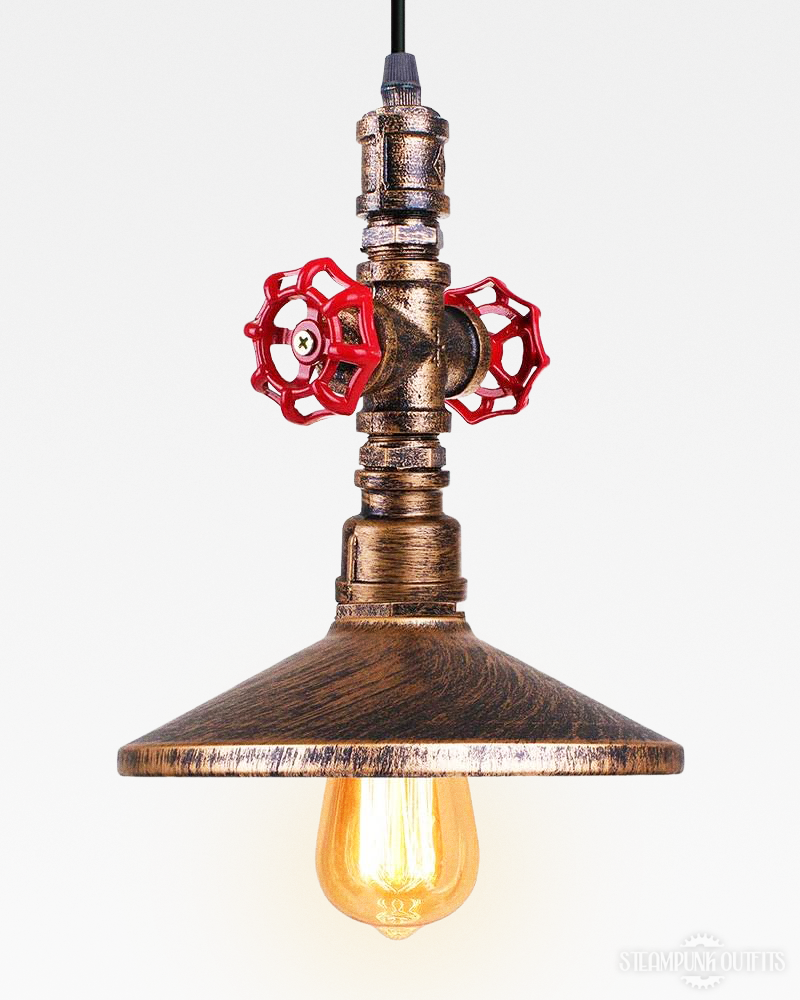
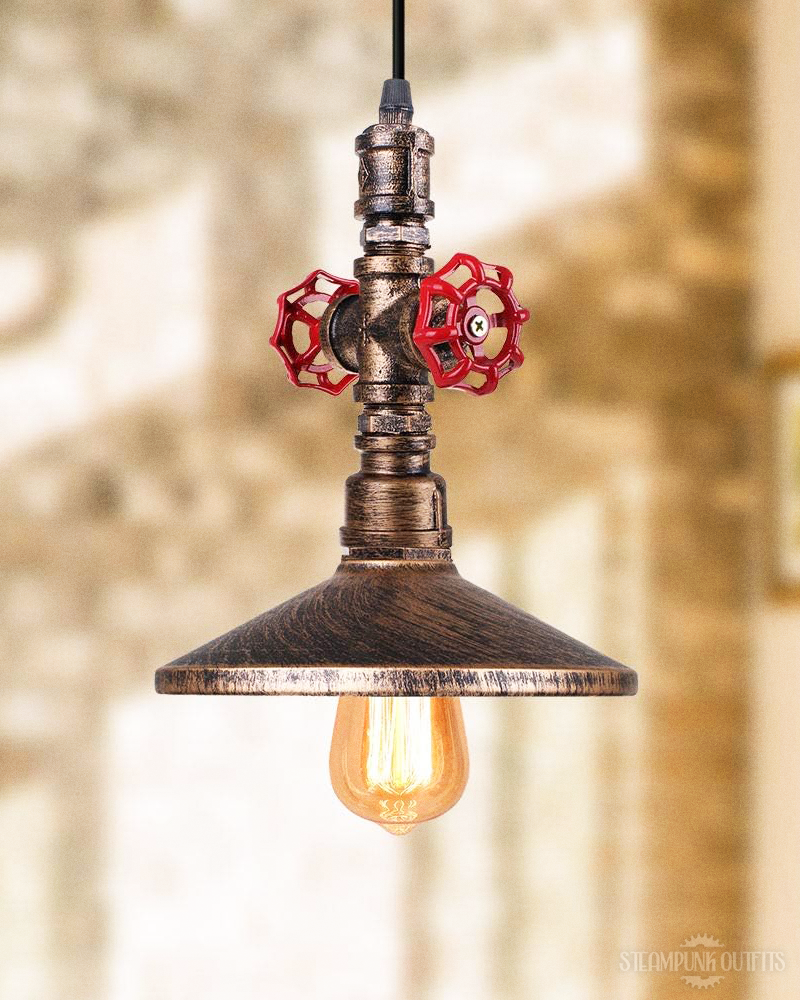
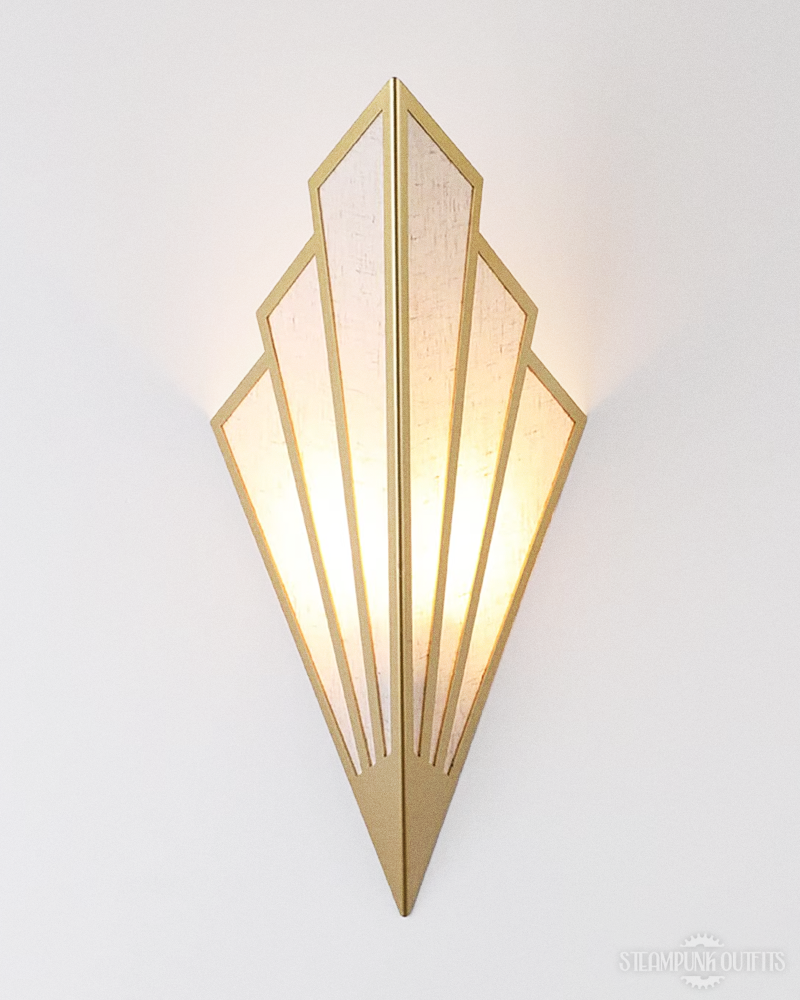
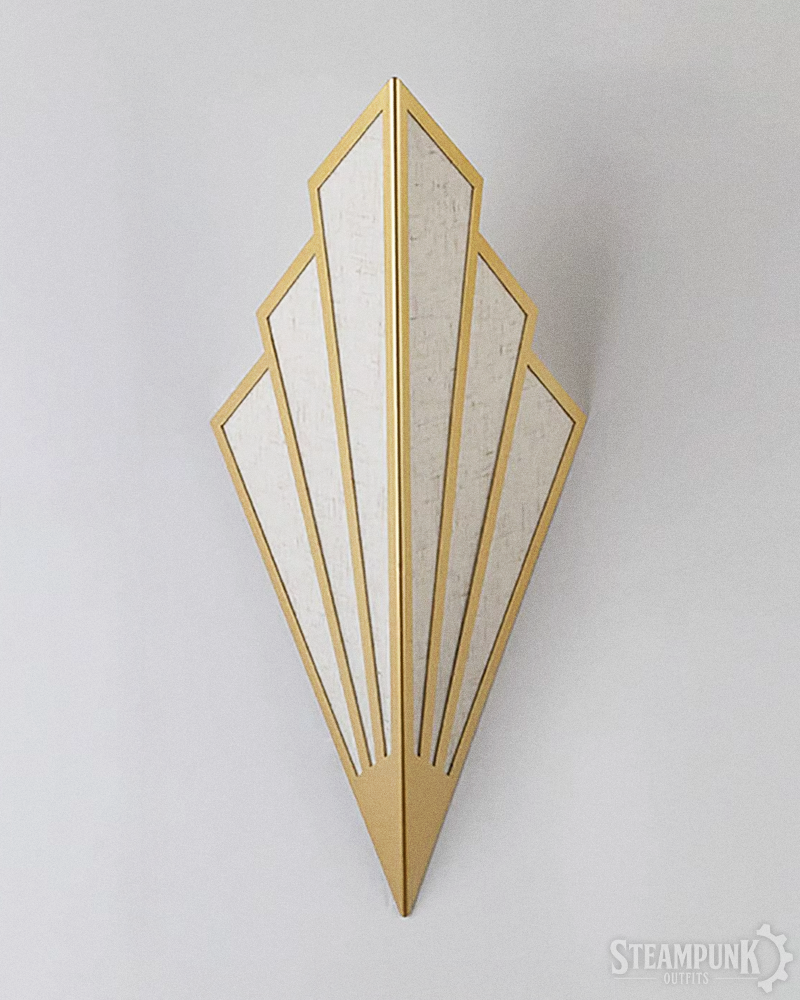
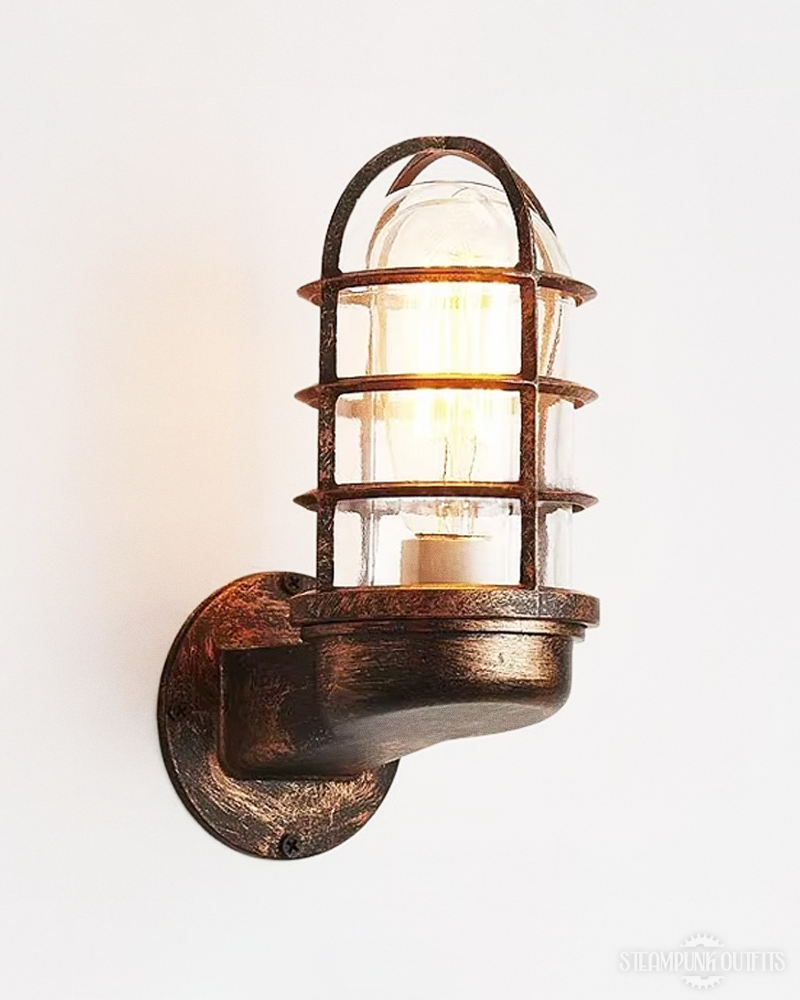
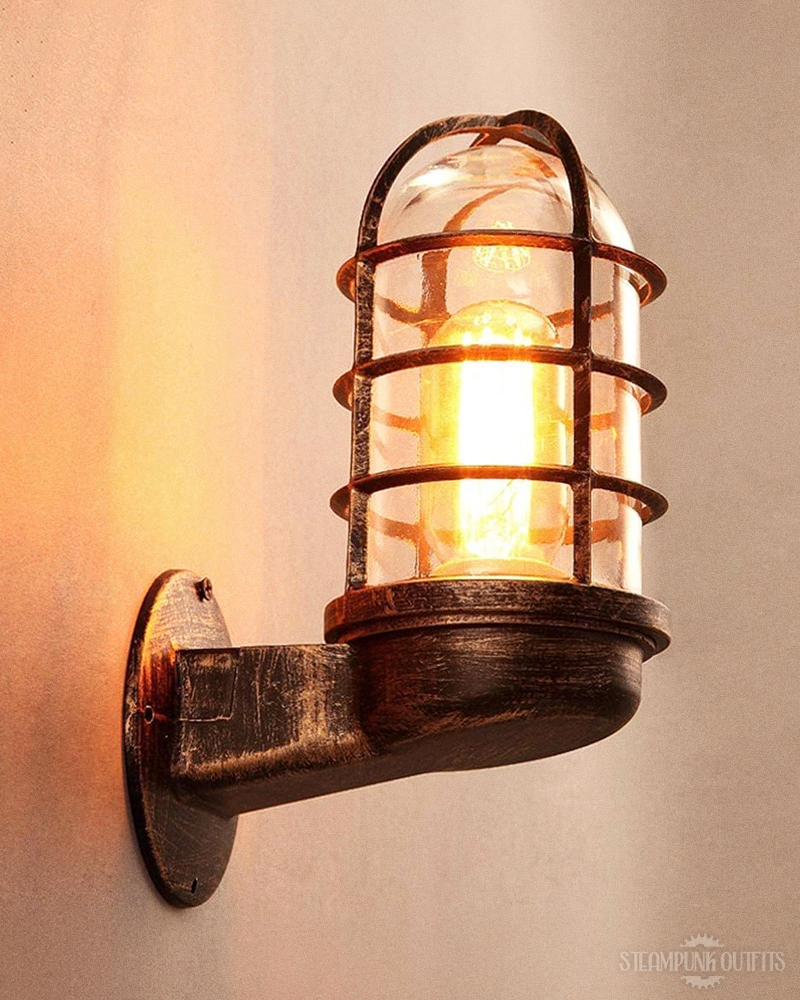
Industrial Cage Wall Sconce
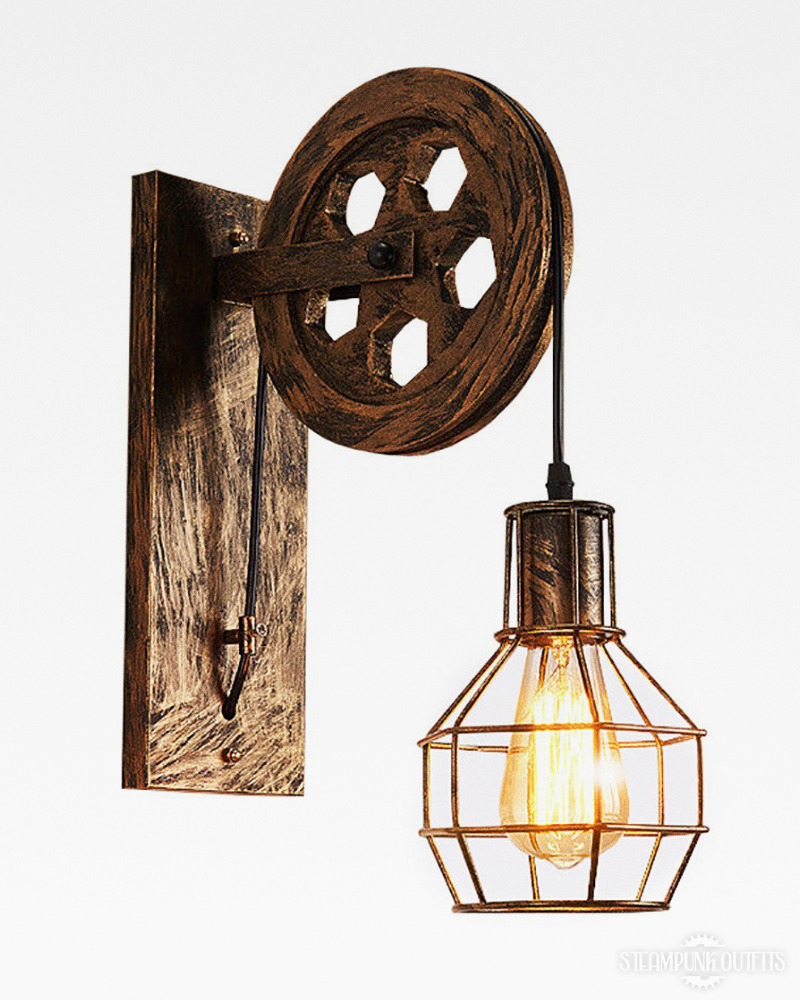
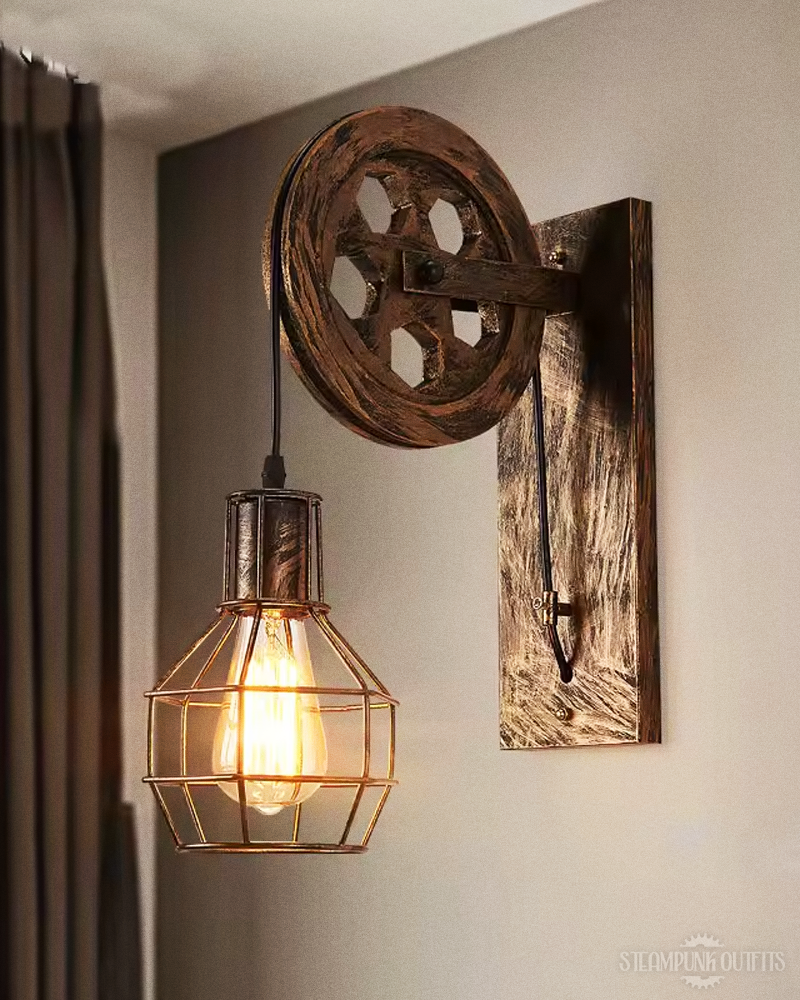

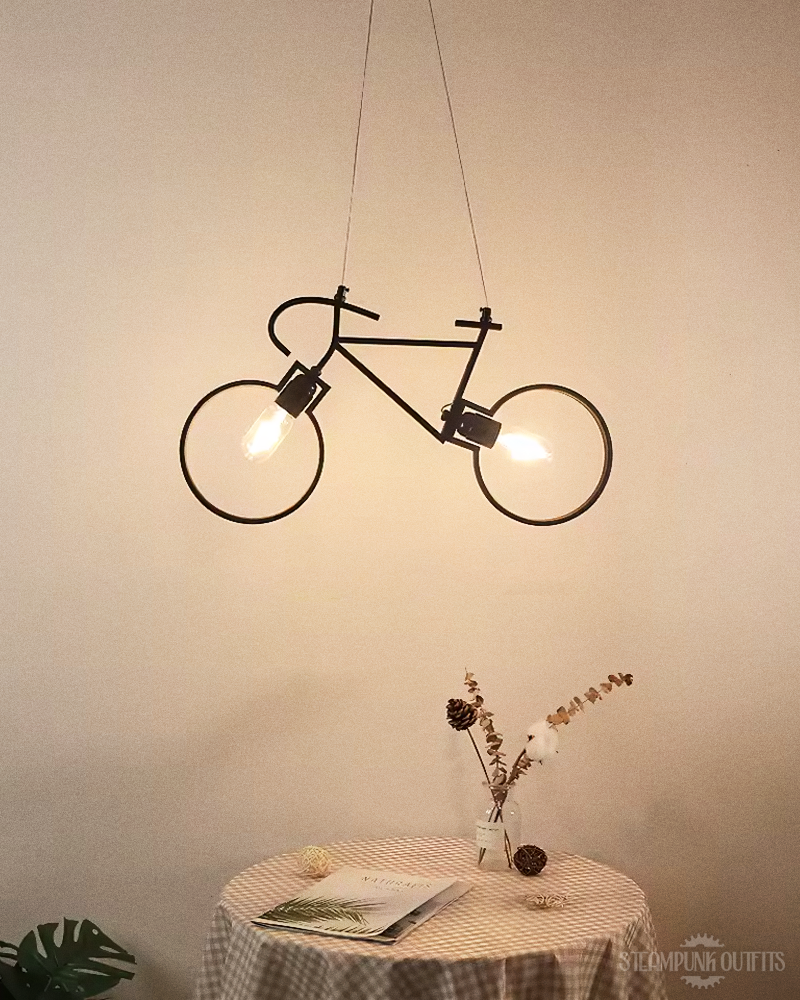
Bicycle Steampunk Lamp
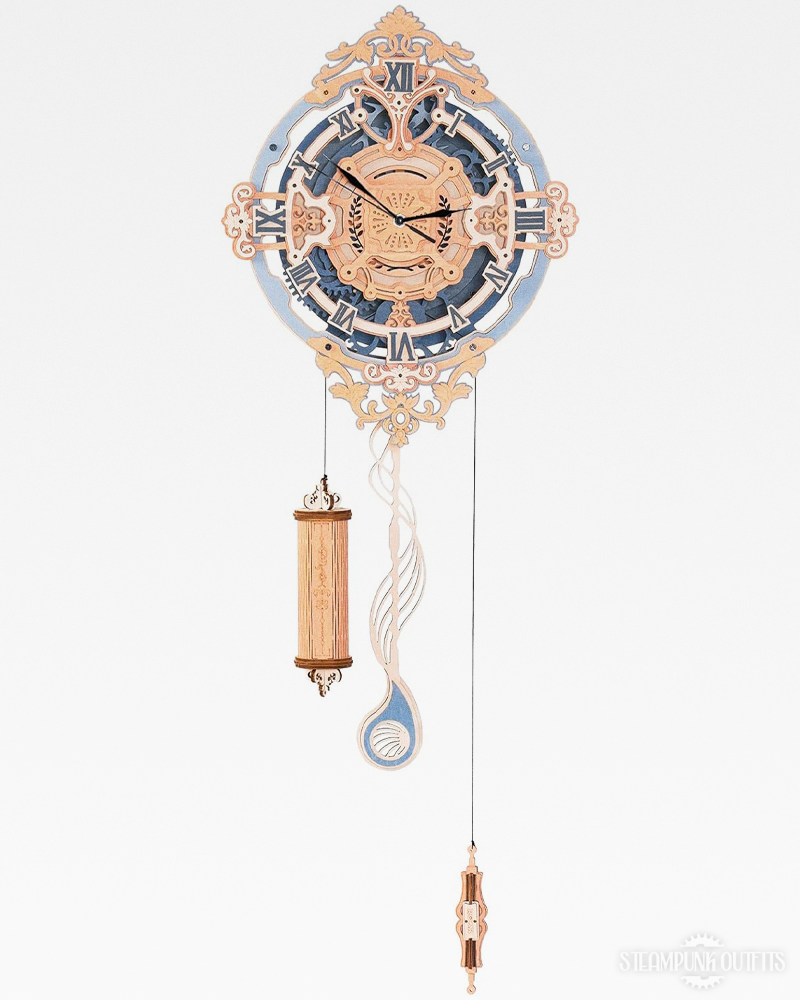

3D Wooden Wall Clock
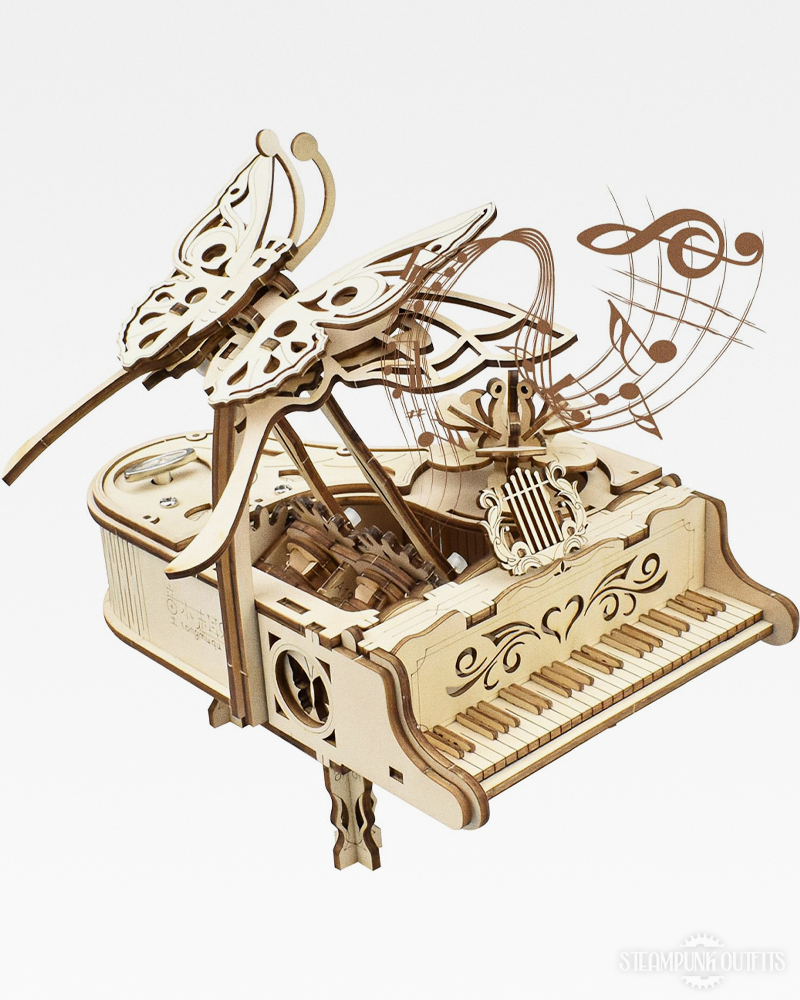

3D Wooden Piano Puzzle


3D Wooden Telescope Puzzle
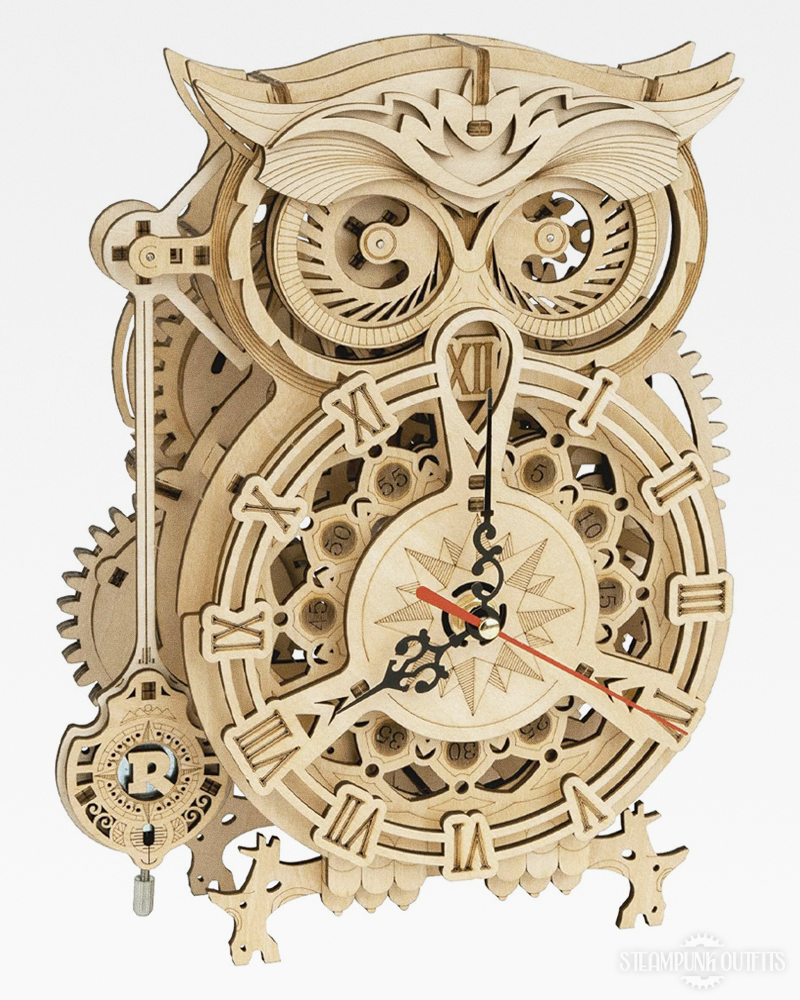

3D Wooden Owl Puzzle
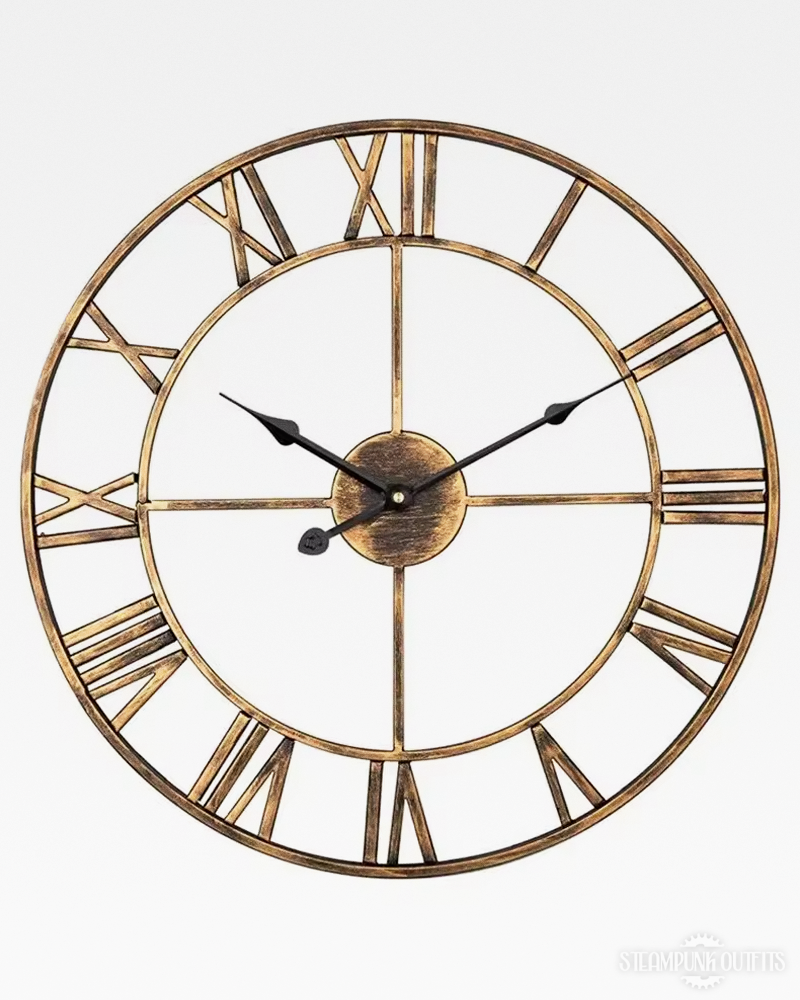

Steampunk Metal Roman Numeral Clock
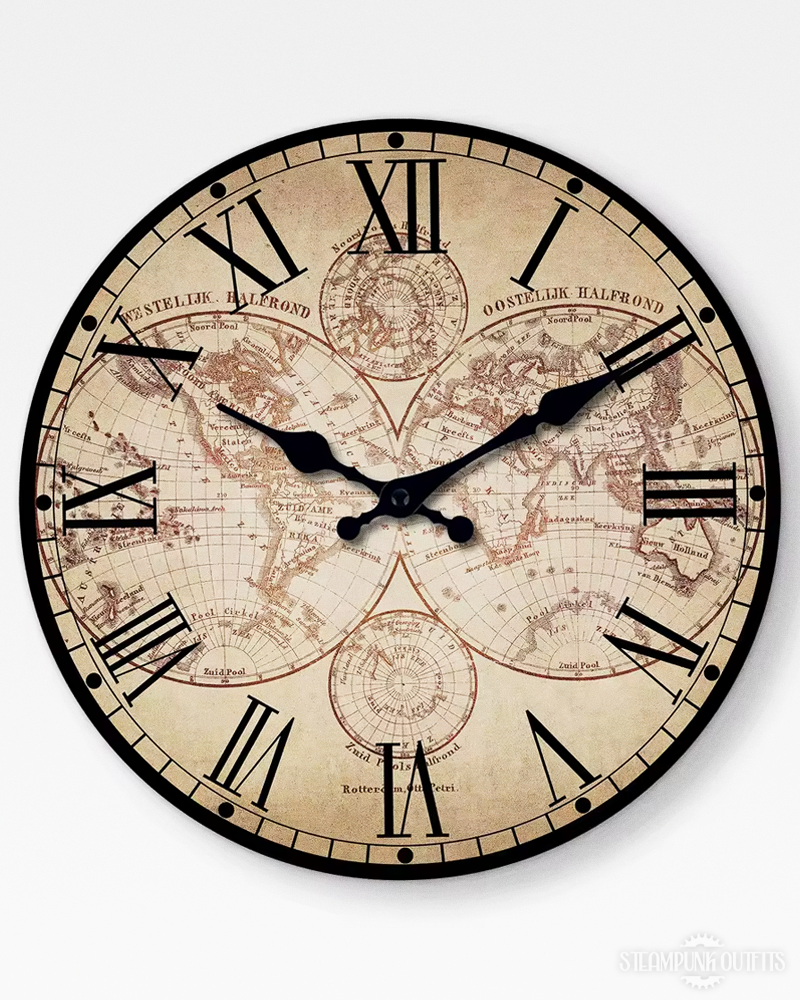

Antique Map Wall Clock
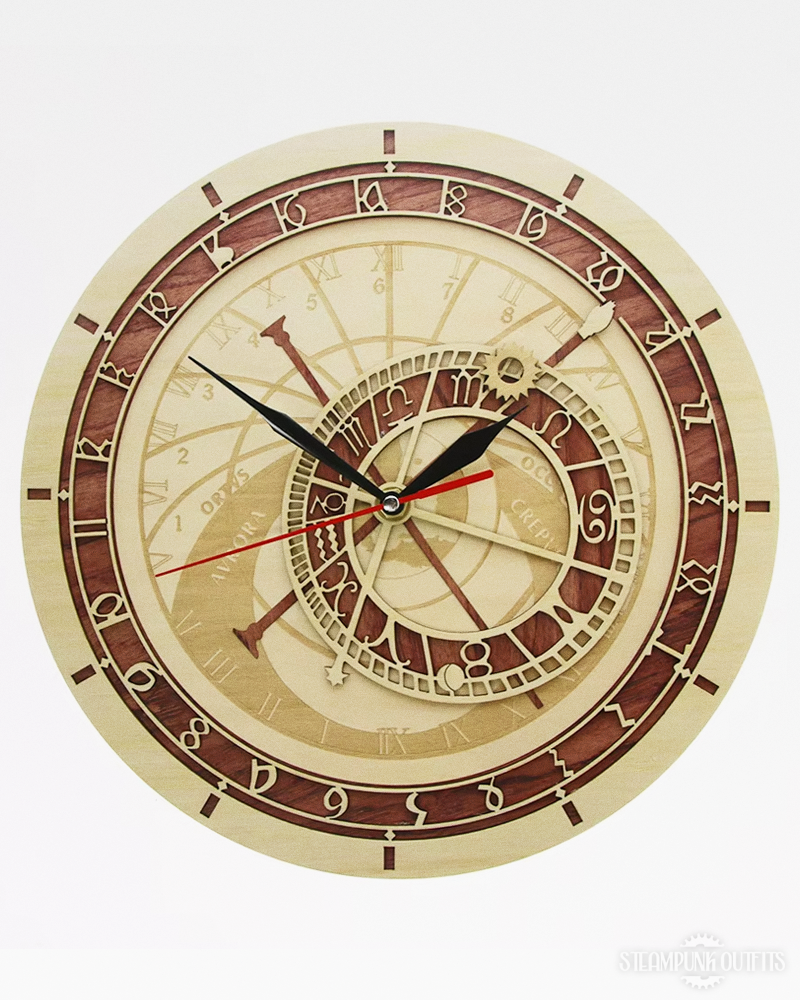

Astronomical Steampunk Wall Clock
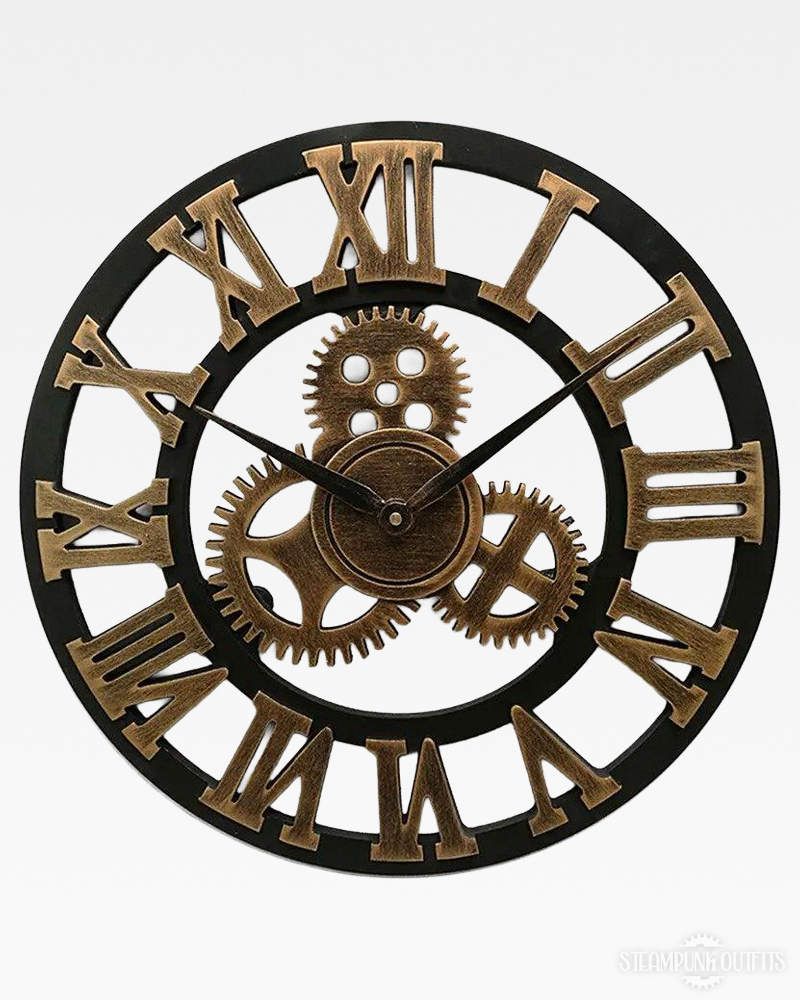

Industrial Wall Clock
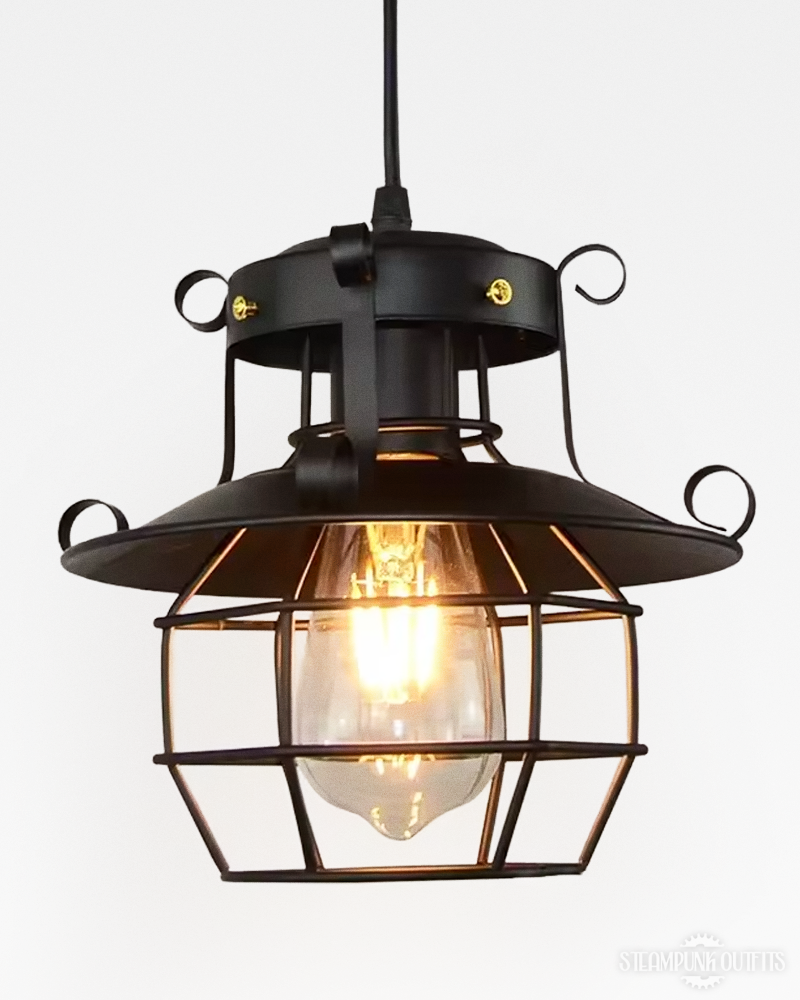
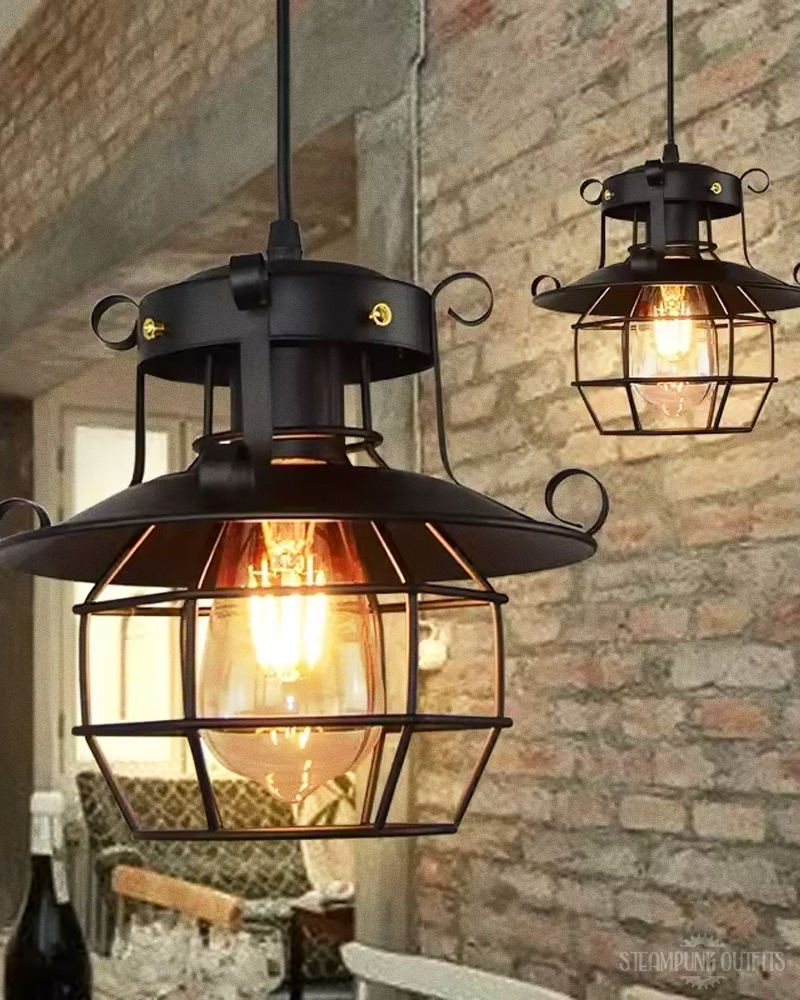
Vintage Industrial Steampunk Pendant Lamp
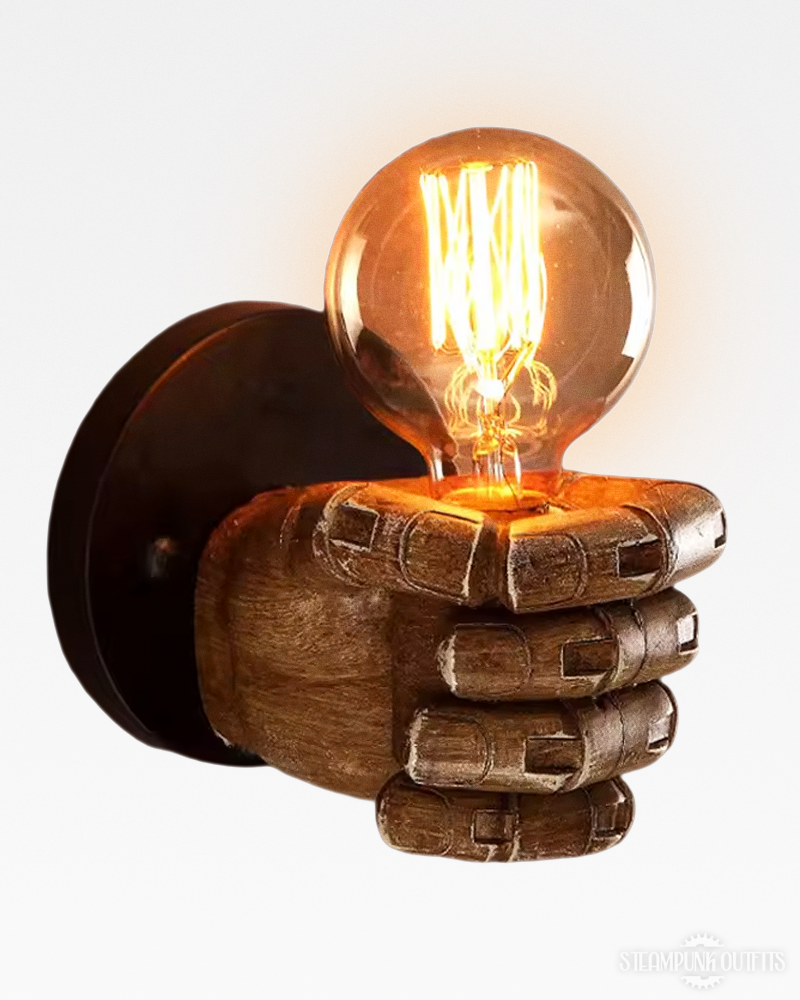
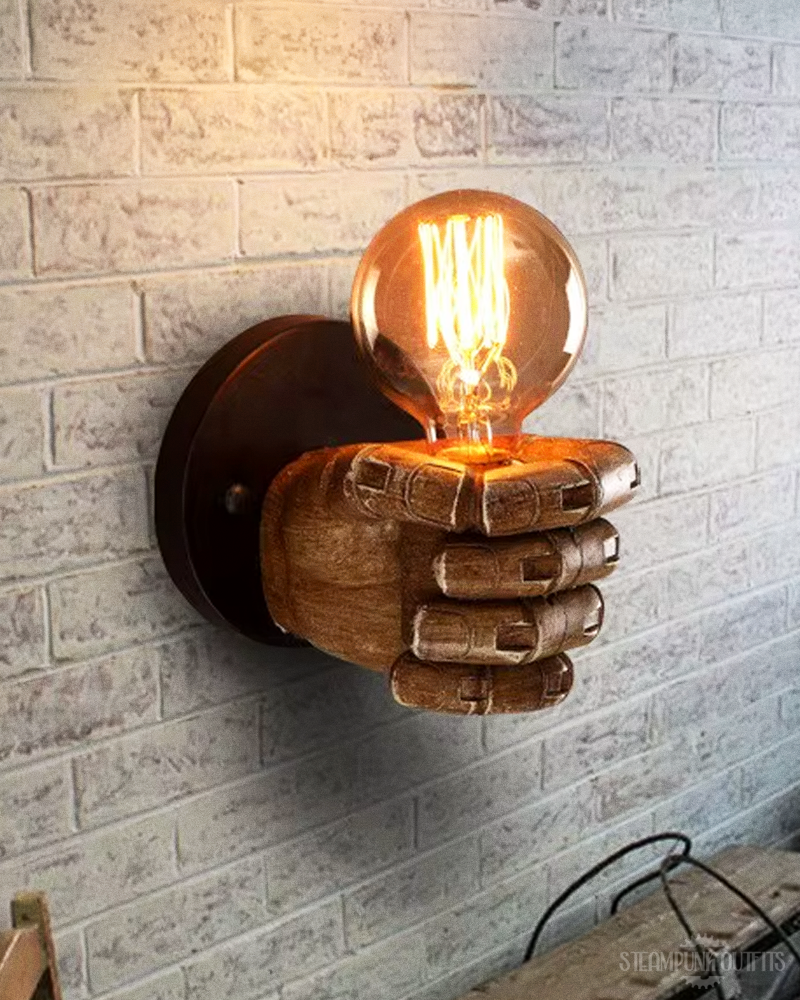
Steampunk Hand Wall Lamp
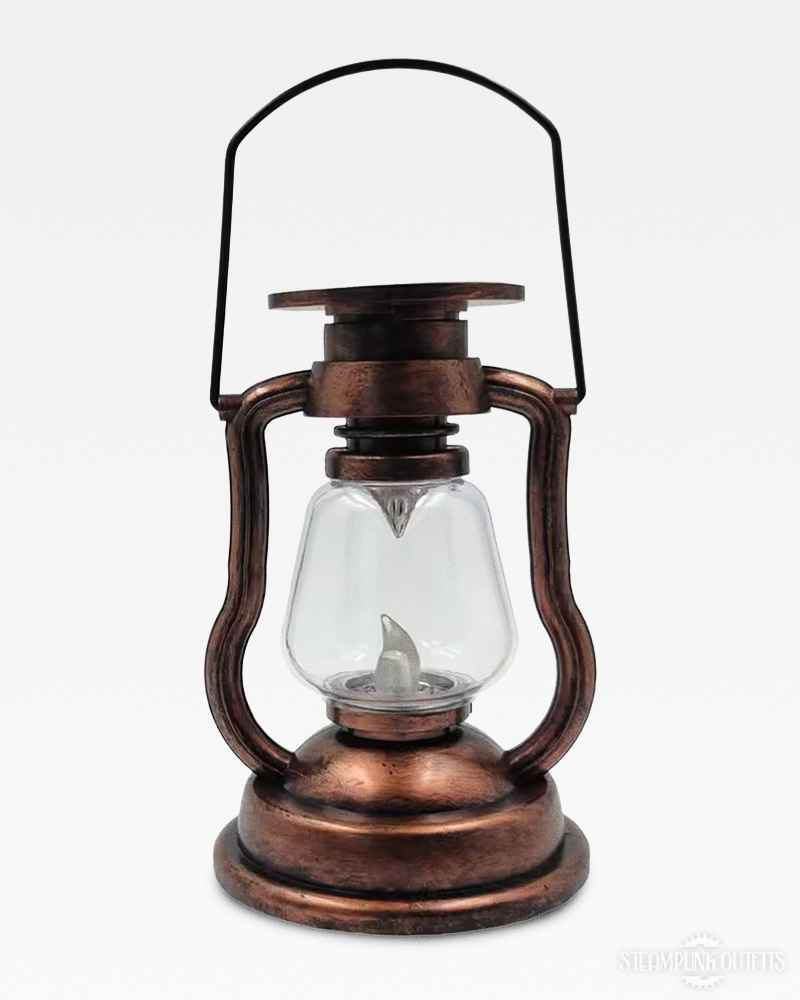
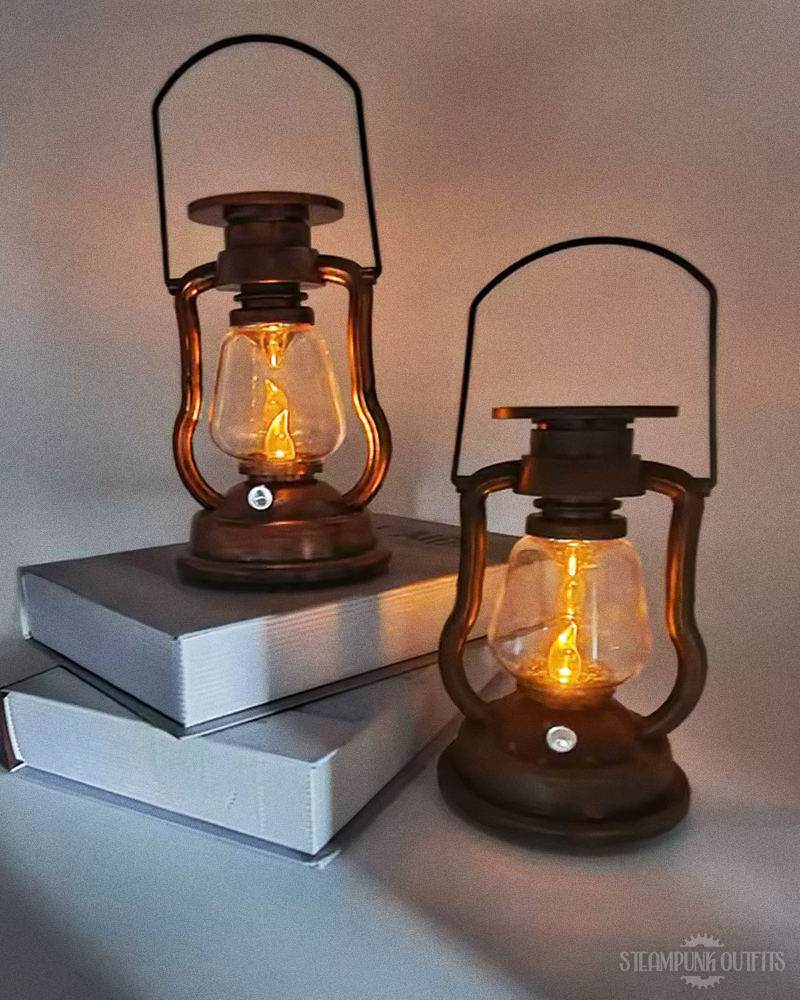
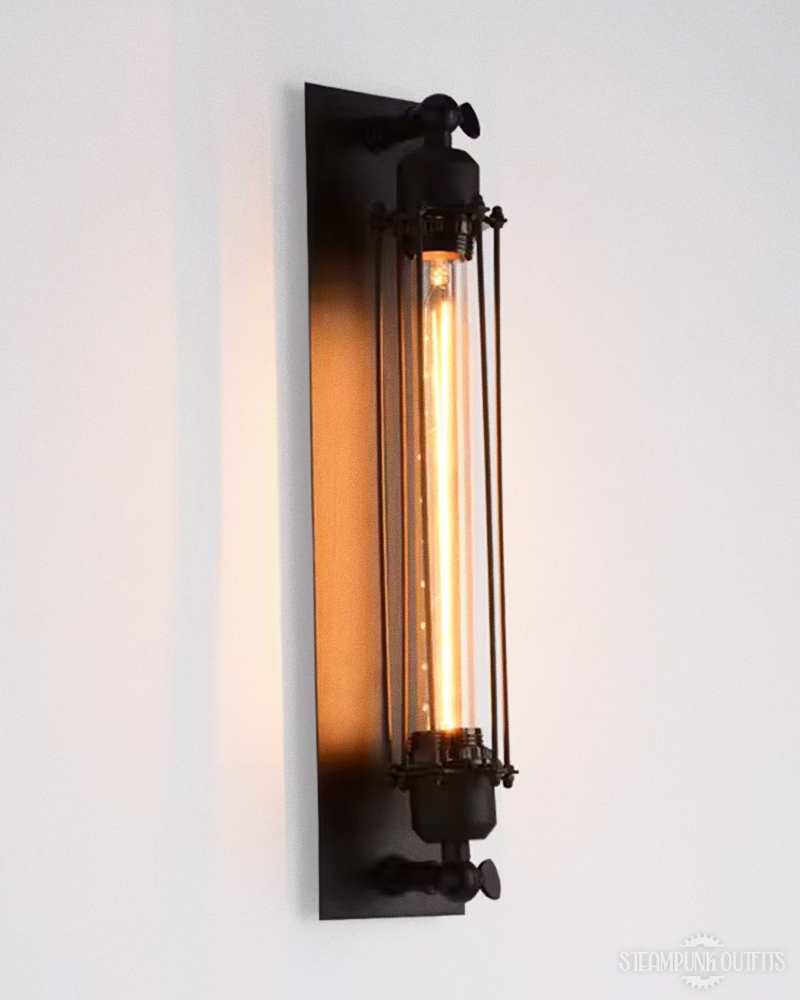
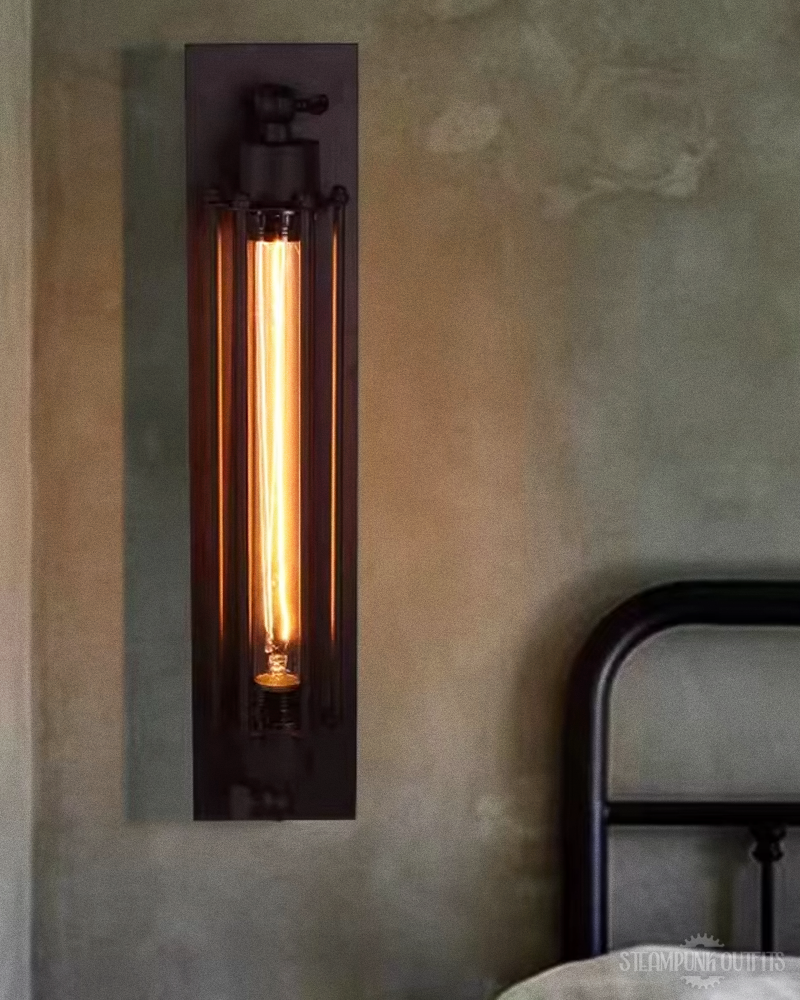
Industrial Wall Sconce
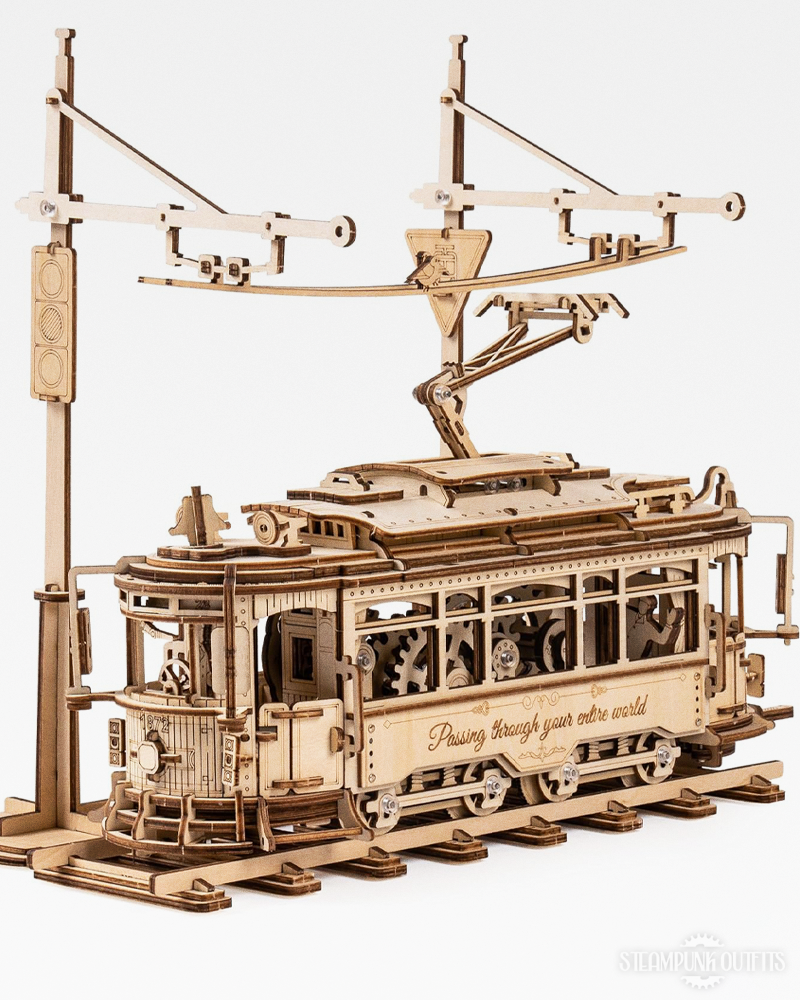
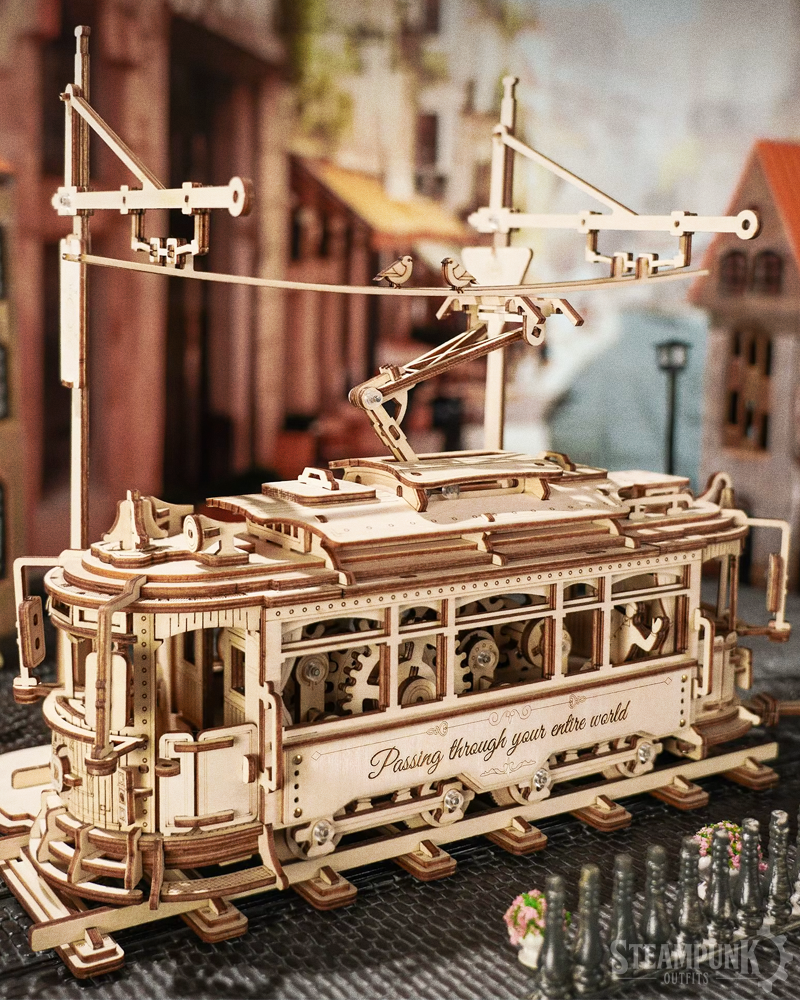
City Tram 3D Wooden Puzzle
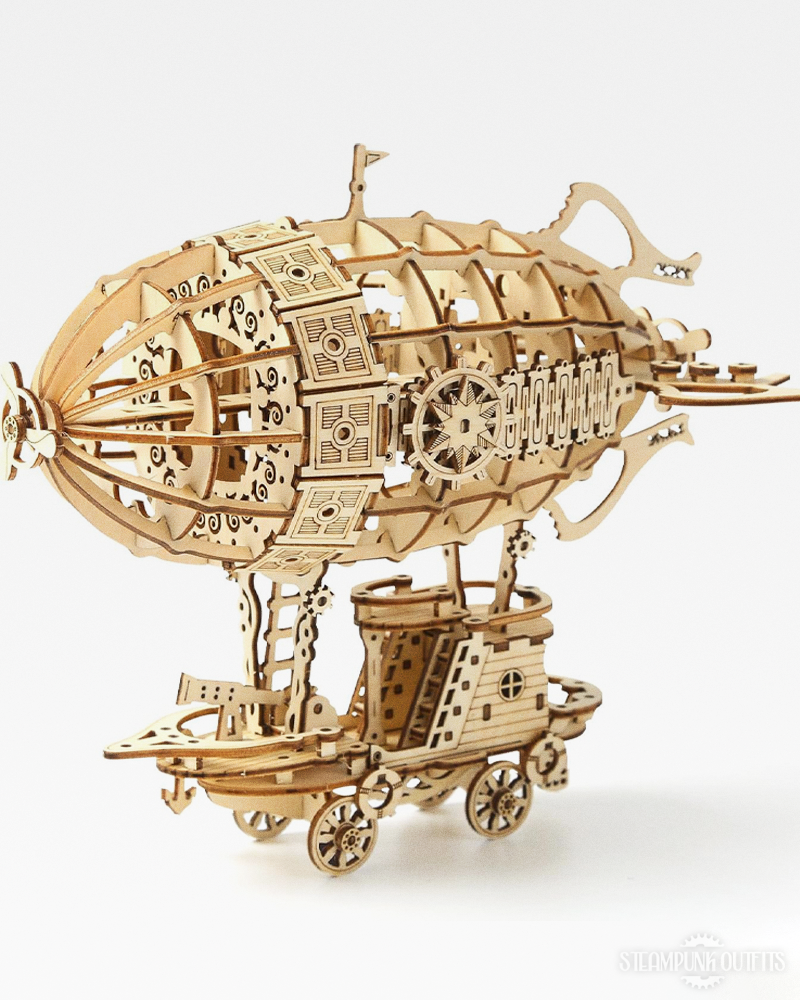
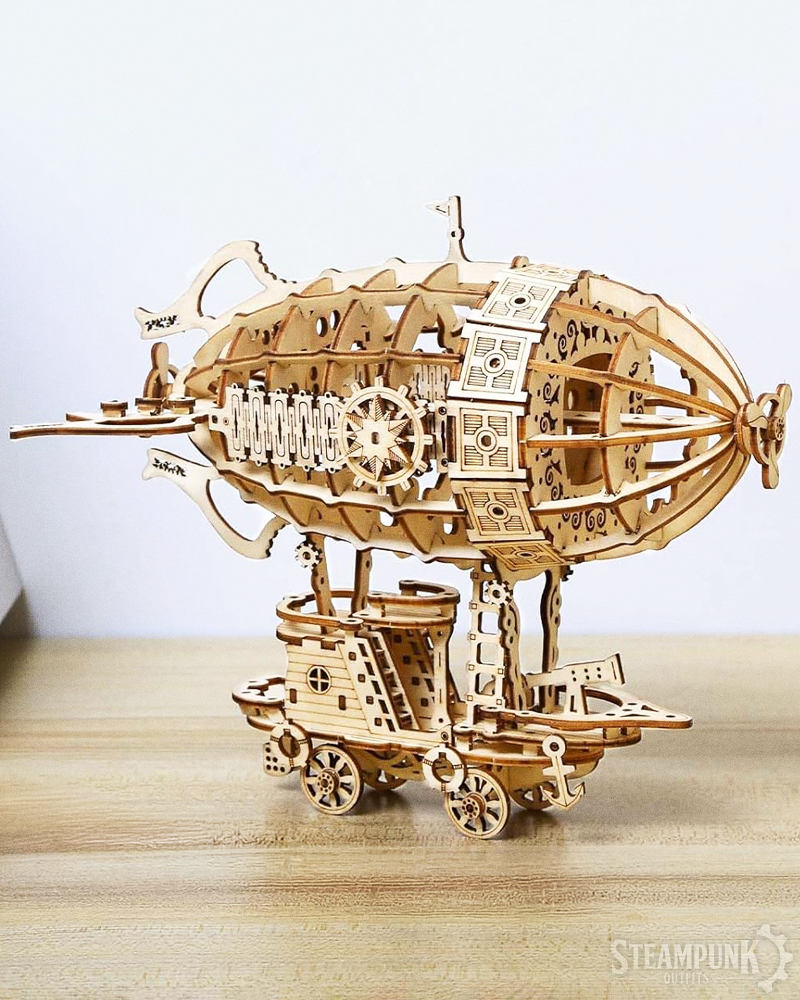
Airship Wooden Puzzle

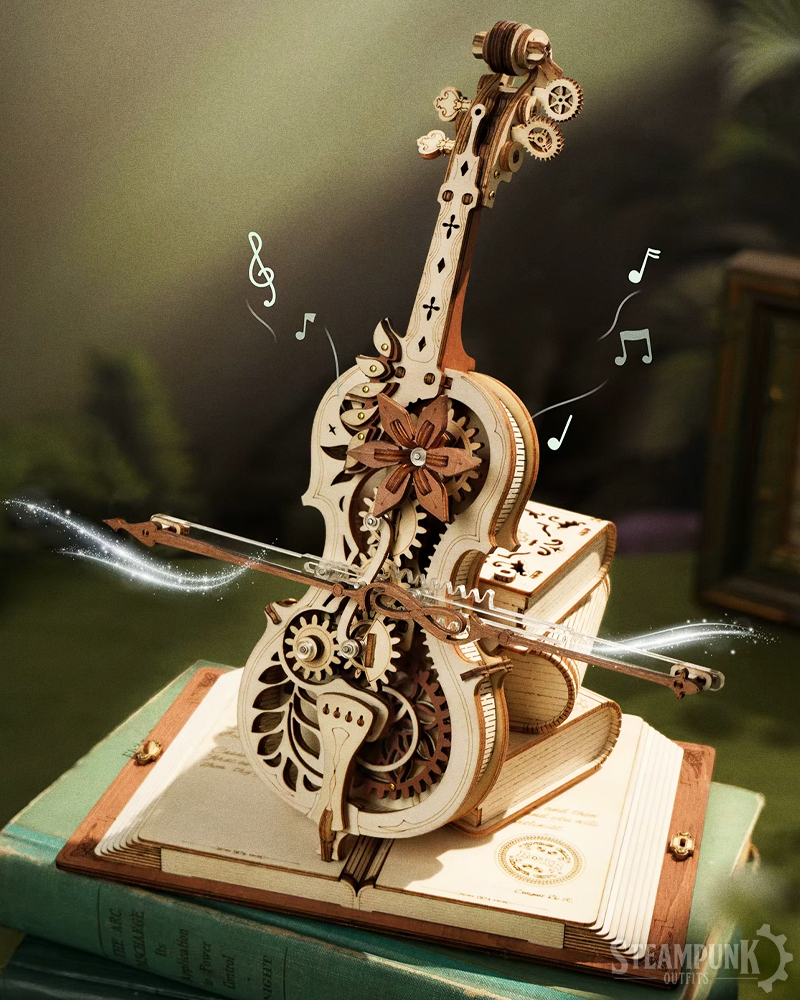
3D Wooden Cello Puzzle
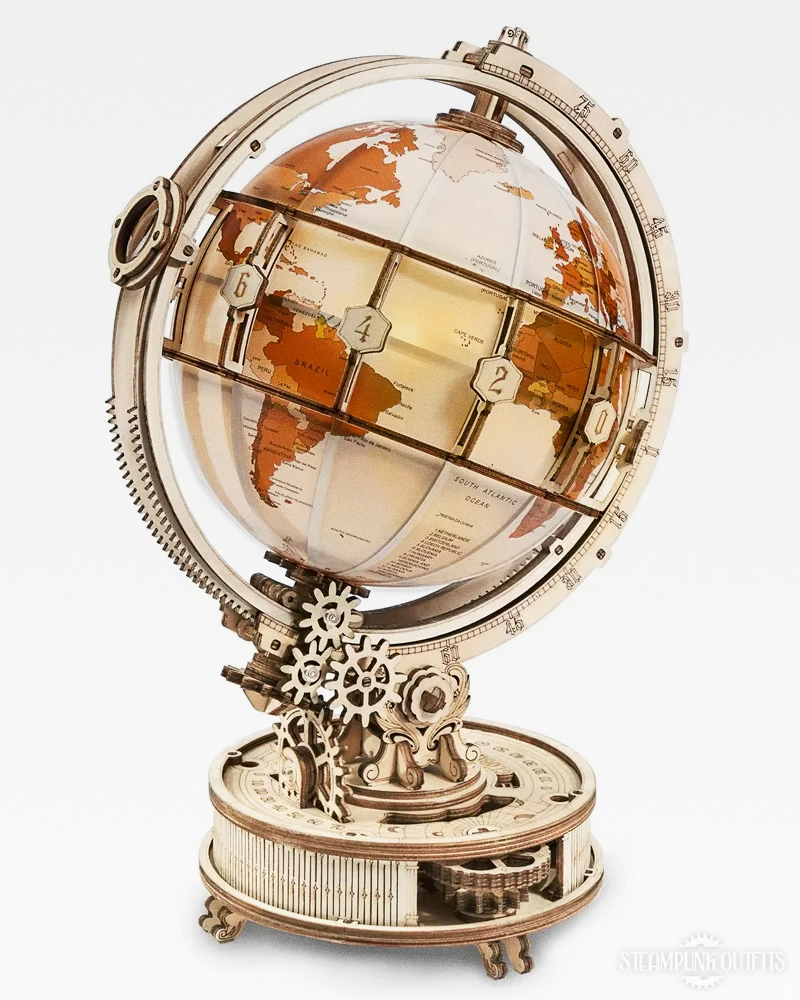
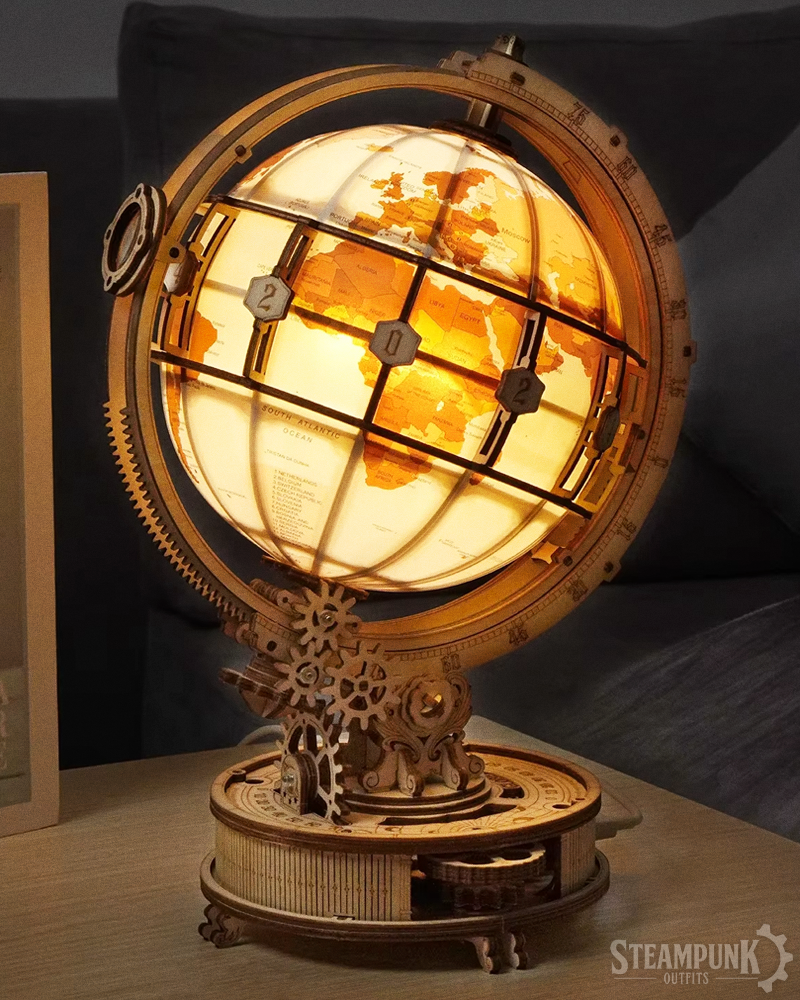
3D Wooden Globe Puzzle
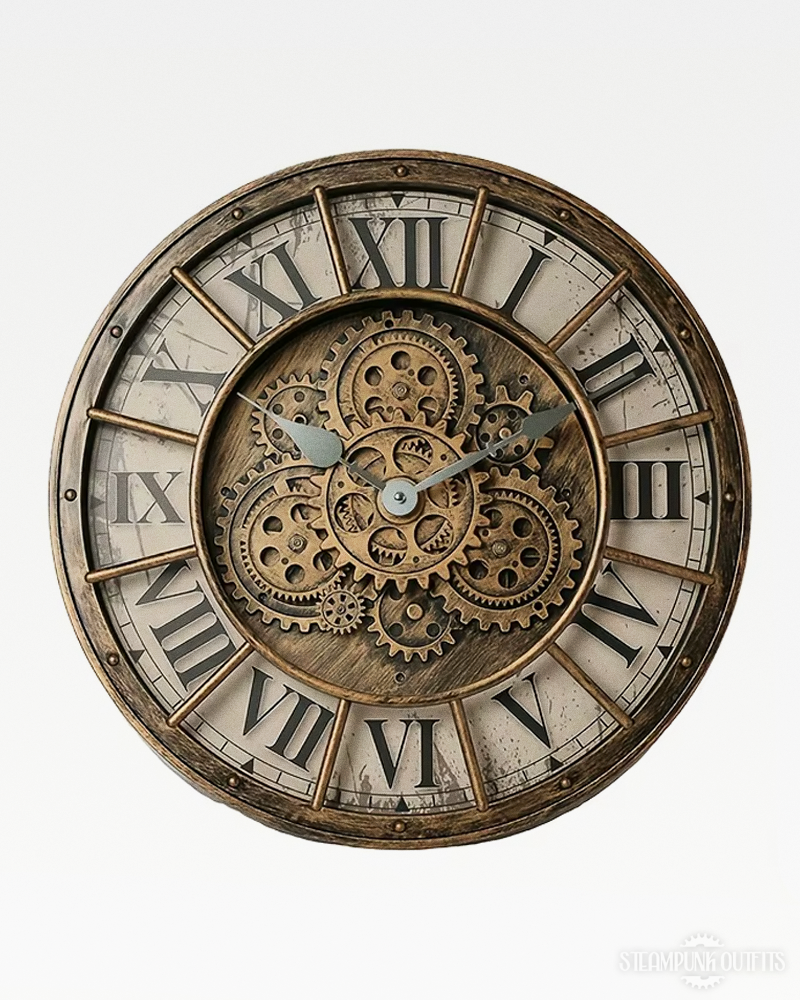
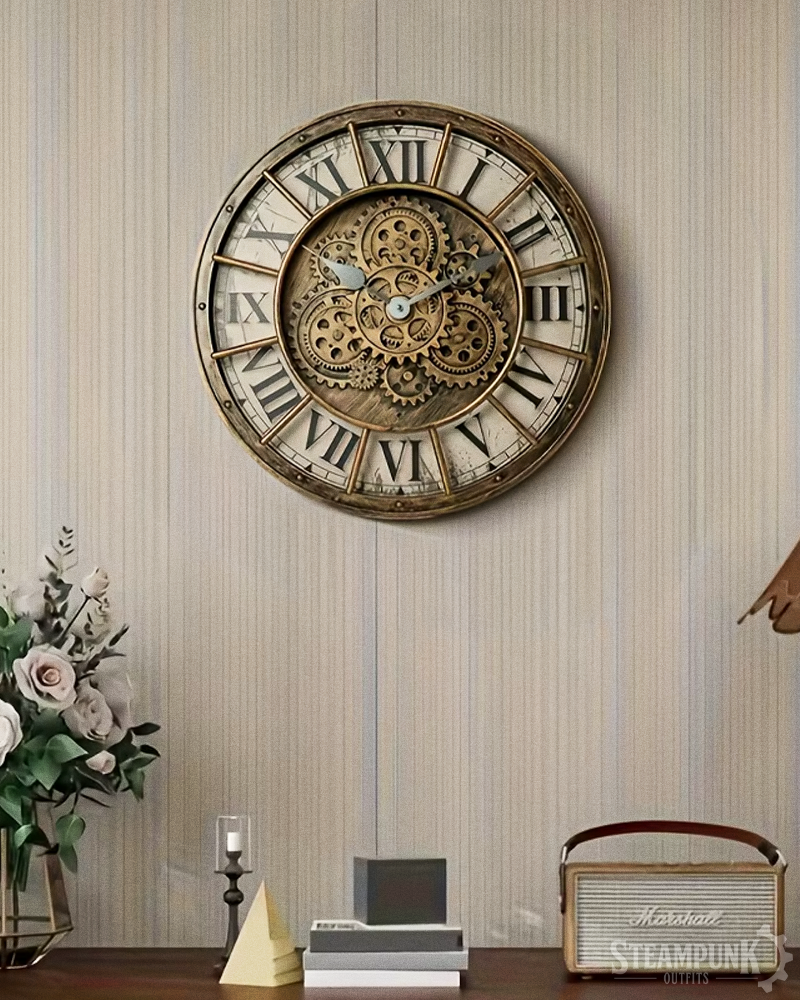
Steampunk Wall Clock
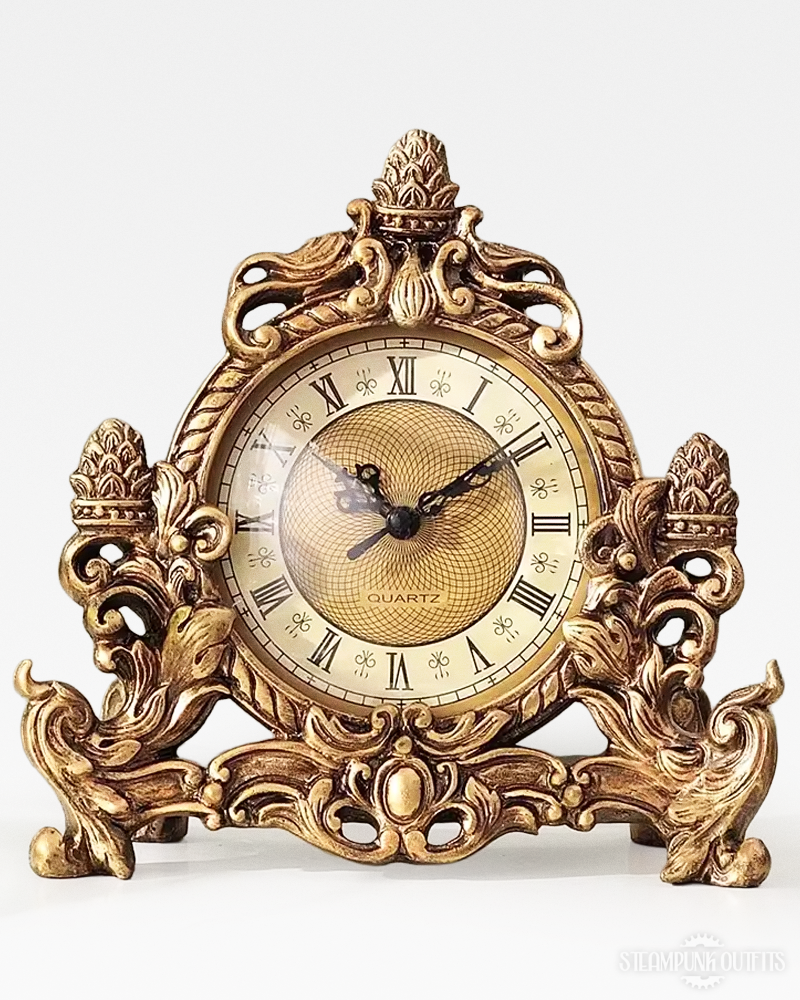
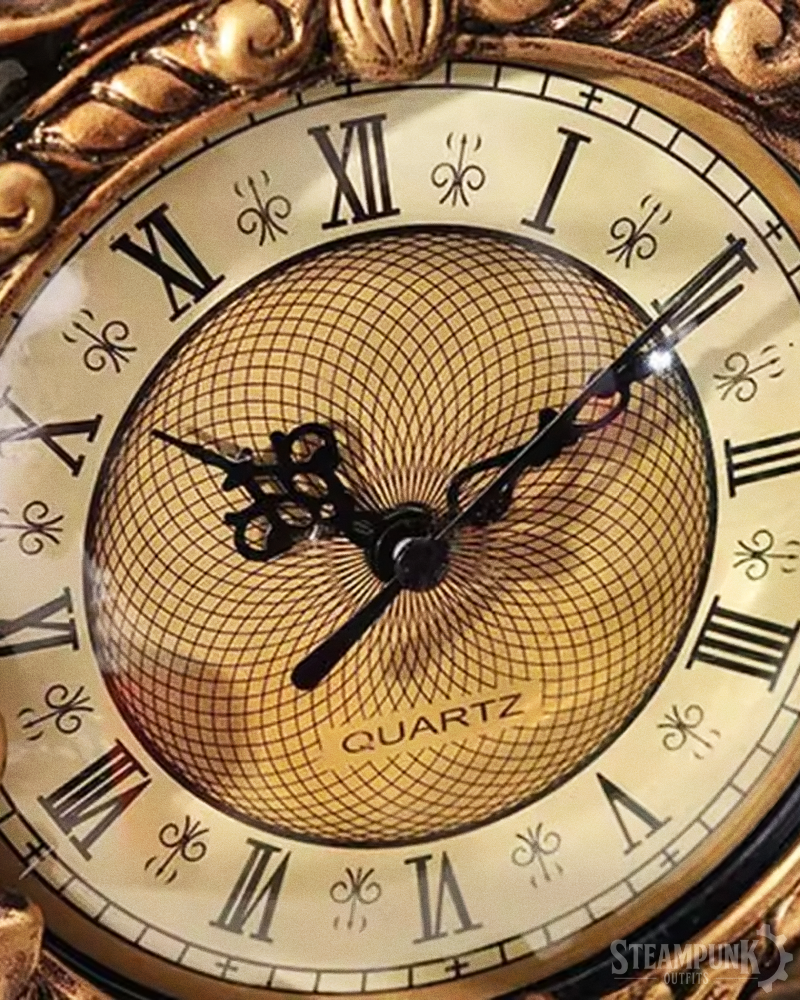
Victorian Clock
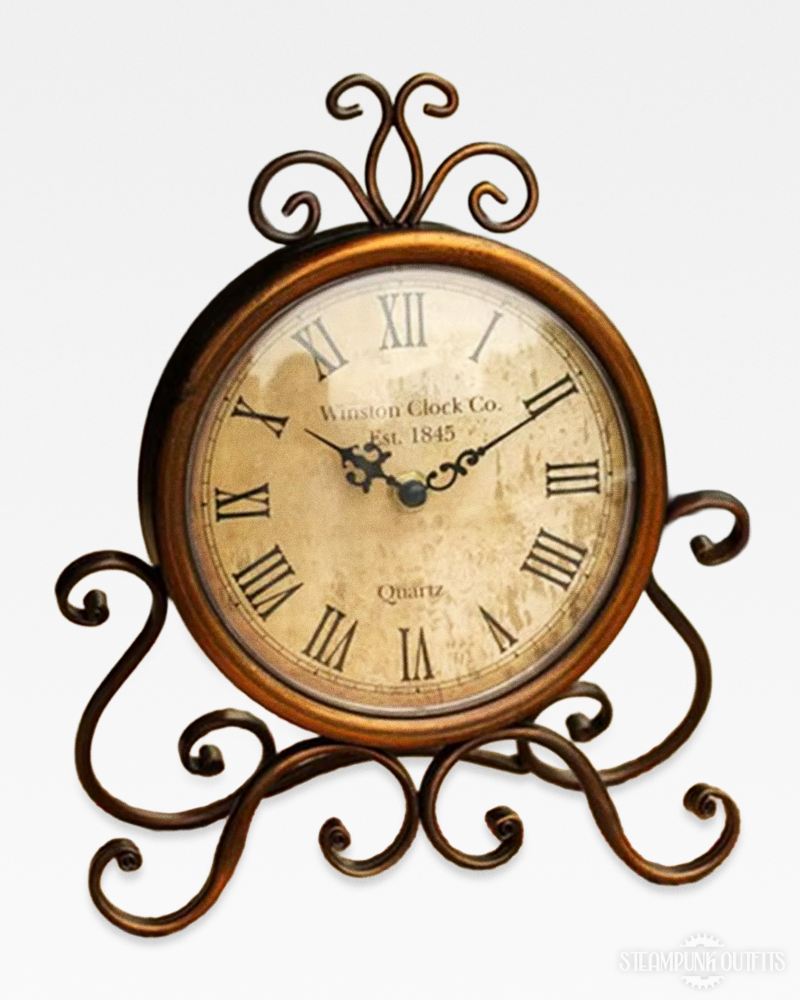
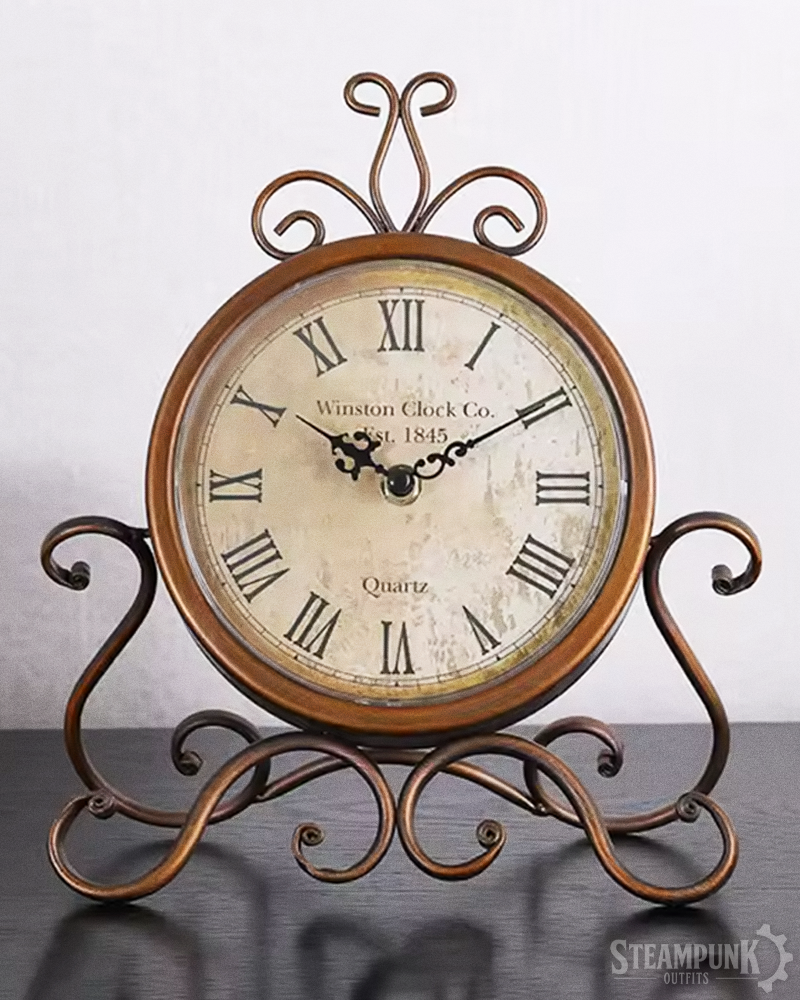
Vintage Table Clock
Steampunk decor is not about filling a space, it is about shaping an atmosphere. Every object carries weight, texture, and intention, transforming interiors into environments that feel engineered rather than arranged. Inspired by Victorian-era mechanics and industrial design, steampunk decor brings depth and narrative to living spaces. It suggests invention, time, and the visual language of steampunk style made visible. This collection is designed for those who want their surroundings to feel purposeful, not ornamental.
What Defines Steampunk Decor
Steampunk decor is defined by its ability to create a sense of place rather than simply decorate a room. It is not about filling shelves or walls with themed objects, but about building an atmosphere that feels intentional, immersive, and coherent. A steampunk space should give the impression that it belongs to an alternative industrial world shaped by invention, experimentation, and visible mechanics. Statement pieces like mechanical steampunk clocks help achieve this mood.
What sets steampunk decor apart is its narrative dimension. Each object feels as though it has a function, a history, or a reason to exist within the space. Even when purely decorative, like steampunk model kits are, items appear purposeful, as if they were once part of a workshop, a laboratory, or an inventor's study. This sense of utility is essential to the steampunk aesthetic.
Another defining element is visual weight. Steampunk decor rarely feels light or minimal. Objects tend to have presence, structure, and detail. They draw the eye and encourage closer inspection, reinforcing the idea that the space is layered and thoughtfully assembled rather than casually styled.
Coherence is also key. Steampunk decor works best when pieces relate to one another through form, mood, or implied function. A room filled with disconnected objects quickly loses credibility. In contrast, a curated selection of steampunk lamps, for example, creates a strong identity that feels consistent and believable.
Ultimately, steampunk decor is defined by intention. It transforms interiors into environments with character and depth, where every object contributes to a shared atmosphere instead of standing alone.
Victorian and Industrial Roots of Steampunk Interiors
The foundations of steampunk interiors lie in the Victorian era, a time when industrial progress reshaped everyday life. Rapid technological advancement brought machinery, precision tools, and mechanical systems into homes, workplaces, and public spaces. This historical context heavily influences steampunk decor today.
Victorian interiors were rich in detail and symbolism. Objects were not chosen for simplicity but for presence. Decorative items often reflected craftsmanship, innovation, or social status. Steampunk decor inherits this mindset, valuing objects that feel substantial and meaningful rather than purely ornamental.
Industrial influence adds another layer to this aesthetic. Steampunk interiors often evoke workshops, factories, or experimental spaces, where objects served practical purposes. This industrial heritage gives steampunk decor its grounded quality. Even imaginative or stylized pieces feel rooted in function.
The combination of Victorian refinement and industrial practicality creates interiors that feel both elegant and raw. This duality is central to steampunk decor. Spaces feel lived-in, as if shaped by years of work, invention, and adaptation.
By drawing from these roots, steampunk decor avoids feeling artificial. It feels connected to a plausible past, giving interiors credibility while leaving room for imagination.
The Role of Objects in Steampunk Atmosphere
In steampunk decor, objects are the primary tools for creating atmosphere. Walls and furniture set the stage, but objects bring the space to life. They communicate the world the room belongs to and the story it suggests.
Each object acts as a visual signal. It contributes to the impression that the space is functional, inhabited, and purposeful. Rather than blending into the background, steampunk objects often become focal points that define the room's identity.
Objects also help control rhythm and balance within the space. A few well-placed items can establish a strong atmosphere without overwhelming the room. Steampunk decor relies on presence rather than quantity. Too many objects dilute impact and disrupt coherence.
Another important role of objects is to suggest interaction. Even when not actively used, steampunk decor pieces feel as though they could be handled, adjusted, or examined. This impression reinforces immersion and prevents the space from feeling static.
Through careful selection, objects shape mood, guide attention, and anchor imagination. They are the backbone of steampunk atmosphere, turning interiors into environments rather than displays.
Displaying Steampunk Decor with Intention
Displaying steampunk objects effectively requires restraint and thoughtful placement. Because these pieces often carry strong visual weight, they benefit from breathing room. Allowing space around objects helps each one stand out and be appreciated.
A common mistake is overcrowding. Filling every surface with decor can quickly turn atmosphere into clutter. Steampunk interiors feel strongest when objects are arranged deliberately, with clear focal points and supporting elements.
Grouping objects by theme or function can help maintain coherence. Rather than scattering items randomly, creating small clusters gives structure to the space. These groupings suggest purpose and organization, reinforcing the idea of a working or lived-in environment.
Height and positioning also play an important role. Placing objects at different levels adds depth and prevents the room from feeling flat. Eye-level placement draws attention, while lower or higher placements support overall balance.
Intentional display ensures that steampunk decor feels curated rather than accumulated. Each object appears to belong exactly where it is, strengthening the narrative and visual clarity of the space.
Caring for Steampunk Decor
Proper care is essential to maintain the appearance and impact of steampunk decorative objects. Because these items often feature detailed construction, they can lose their visual strength if neglected.
Regular cleaning helps preserve detail and texture. Dust buildup can quickly dull surfaces and obscure design elements. Gentle cleaning methods are best, as harsh products may damage finishes or materials.
Placement also affects longevity. Objects should be positioned away from excessive moisture, heat, or direct sunlight, which can cause wear over time. Stable placement prevents accidental damage and preserves structure.
Storage matters as well for items not on display. Keeping objects protected ensures they retain their form and finish until they are used again. Thoughtful storage reflects the same care applied to display.
With proper care, steampunk decor remains visually strong and atmospheric. Maintenance ensures that each piece continues to contribute to the space's character, supporting the immersive quality that defines steampunk interiors.