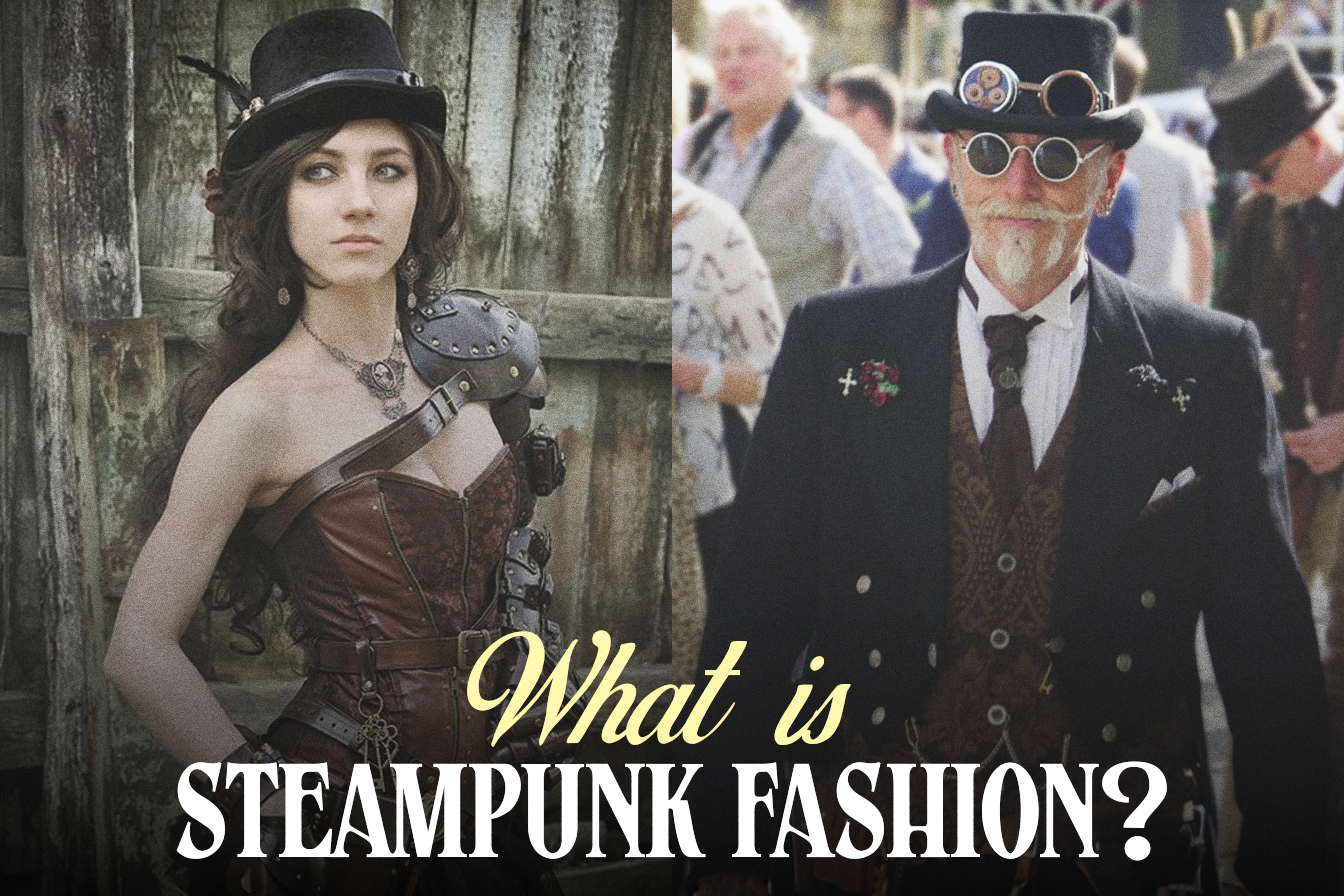

Steampunk originated as a literary genre inspired by 19th-century science fiction and the industrial age. It draws heavily from authors like Jules Verne and H.G. Wells, who imagined futuristic technologies powered by steam. The term itself was coined in the 1980s, but its roots go much deeper. Over time, steampunk evolved into a global subculture blending fashion, art, and DIY creativity. Today, it stands as both a genre and a lifestyle shaped by history and imagination.
Steampunk is often recognized for its striking aesthetic—gears, goggles, brass, and Victorian elegance—but its origins are deeply rooted in literature and history. To understand where steampunk comes from, we need to explore both the imaginative works of early science fiction writers and the cultural context of the Industrial Revolution. From its unofficial beginnings in 19th-century storytelling to its official naming in the late 20th century, steampunk has evolved into a rich and dynamic genre. This article traces that journey, uncovering how steampunk emerged and why it continues to captivate audiences today.
The Literary Roots of Steampunk
Steampunk's origins can be traced back to classic works of science fiction that imagined advanced technologies during the age of steam. These stories laid the foundation for the genre long before it had a name.
Influence of 19th-Century Authors

The earliest seeds of steampunk were planted by writers like Jules Verne and H.G. Wells. Their novels explored groundbreaking ideas, such as underwater exploration, time travel, and futuristic inventions, all within a Victorian-era context.
Verne's works, including Journey to the Center of the Earth and 20,000 Leagues Under the Sea, showcased imaginative machines powered by steam and mechanical ingenuity. Similarly, Wells introduced concepts like time travel and invisible technology, expanding the boundaries of speculative fiction.
These authors combined scientific curiosity with storytelling, creating worlds that felt both plausible and fantastical. Their influence remains central to steampunk, which continues to draw inspiration from their visionary ideas.
Although they did not use the term "steampunk," their works embody the spirit of the genre and are often considered its true starting point.
The Role of Victorian Science and Industry
The Industrial Revolution played a crucial role in shaping steampunk's aesthetic and themes. This period saw rapid technological advancements, particularly in steam power, which transformed transportation, manufacturing, and daily life.
Steam engines, locomotives, and early machinery became symbols of progress and innovation. At the same time, they also represented the challenges of industrialization, including pollution and social inequality.
Steampunk draws heavily from this historical context, imagining a world where steam technology continued to evolve into the future. This blend of history and speculation gives the genre its unique identity.
By revisiting the Victorian era, steampunk captures both the optimism and complexity of a time defined by invention.
The Birth of the Term "Steampunk"
While the ideas behind steampunk are much older, the term itself is relatively recent. Its creation marked a turning point in defining the genre as we know it today.
The 1980s Science Fiction Movement

The word "steampunk" was coined in 1987 by author K.W. Jeter in a letter to Locus magazine. He used it humorously to describe a group of novels set in Victorian-inspired worlds featuring advanced steam-powered technology.
This term was a playful reference to "cyberpunk," a popular genre at the time that focused on futuristic, high-tech societies. By contrast, steampunk looked backward, imagining a different technological path rooted in the past.
Jeter and his contemporaries, including authors like Tim Powers and James Blaylock, helped define the early boundaries of the genre. Their works combined historical settings with speculative inventions.
The term quickly gained traction, providing a label for a style of storytelling that had existed informally for decades.
Early Steampunk Works
Following the coining of the term, several novels emerged that clearly embodied steampunk themes. These stories often featured alternative histories, eccentric inventors, and elaborate machines.
They explored what might have happened if steam technology had continued to advance instead of being replaced by electricity and digital systems.
These early works helped establish key elements of steampunk, including its aesthetic, tone, and narrative focus. They also attracted a growing audience interested in this unique blend of history and science fiction.
As a result, steampunk began to solidify as a recognizable genre within the broader world of speculative fiction.
From Genre to Global Subculture
Over time, steampunk expanded beyond literature and became a cultural movement. Its influence spread into fashion, art, and everyday life.
The Rise of Steampunk Fashion and Design

Steampunk's visual identity became one of its most defining features. Inspired by Victorian clothing, the style incorporates corsets, waistcoats, top hats, and accessories like goggles and pocket watches.
These elements are often combined with industrial materials such as brass, leather, and copper, creating a distinctive retro-futuristic look.
Artists and designers began to reinterpret modern objects through a steampunk lens, adding mechanical details and vintage aesthetics. This practice, sometimes called "steampunking," emphasizes creativity and craftsmanship.
The fashion aspect of steampunk allows individuals to express their personalities while connecting with the genre's historical roots.
The DIY Ethos and Community Growth
A key aspect of steampunk culture is its emphasis on do-it-yourself creativity. Fans often build their own steampunk costumes, gadgets, and props, reflecting the inventive spirit of the genre.
This hands-on approach has fostered a strong sense of community. Conventions, festivals, and online forums bring enthusiasts together to share ideas and showcase their creations.
The steampunk community is known for its inclusivity and encouragement of individuality. Participants often create unique characters and backstories, adding depth to their involvement.
As a result, steampunk has grown into a global movement that goes far beyond its literary origins.
Why Steampunk Still Resonates Today
Despite its historical inspiration, steampunk remains relevant in the modern world. Its themes and aesthetics continue to attract new audiences.
Nostalgia and Imagination

One of the reasons for steampunk's enduring appeal is its sense of nostalgia. It revisits a time when technology was mechanical, visible, and often handcrafted.
This contrasts with today's digital world, where much of technology is hidden and intangible. Steampunk offers a more tactile and visually engaging vision of innovation.
At the same time, it encourages imagination by presenting alternate histories and speculative futures. This blend of past and possibility makes the genre uniquely captivating.
For many, steampunk represents a creative escape that celebrates both history and invention.
A Reflection on Technology and Society
Steampunk also invites reflection on the relationship between technology and society. By reimagining the past, it raises questions about progress and its consequences.
Stories often explore themes such as industrialization, class structures, and environmental impact. These issues remain relevant today, giving steampunk a deeper layer of meaning.
The genre's emphasis on craftsmanship and individuality can also be seen as a response to mass production and digital uniformity.
In this way, steampunk continues to evolve while maintaining its core identity.
Conclusion
Steampunk comes from a rich blend of literary imagination, historical context, and modern creativity. Its roots lie in the visionary works of 19th-century authors and the transformative era of the Industrial Revolution. The coining of the term in the 1980s gave this style a name, allowing it to grow into a recognized genre. Over time, it expanded into a global subculture that celebrates creativity, craftsmanship, and individuality. Today, steampunk stands as a testament to the enduring power of imagination, connecting the past with endless possibilities for the future.